Photo: Subhashish Panigrahi / Wikimedia Commons, CC BY-SA 4.0
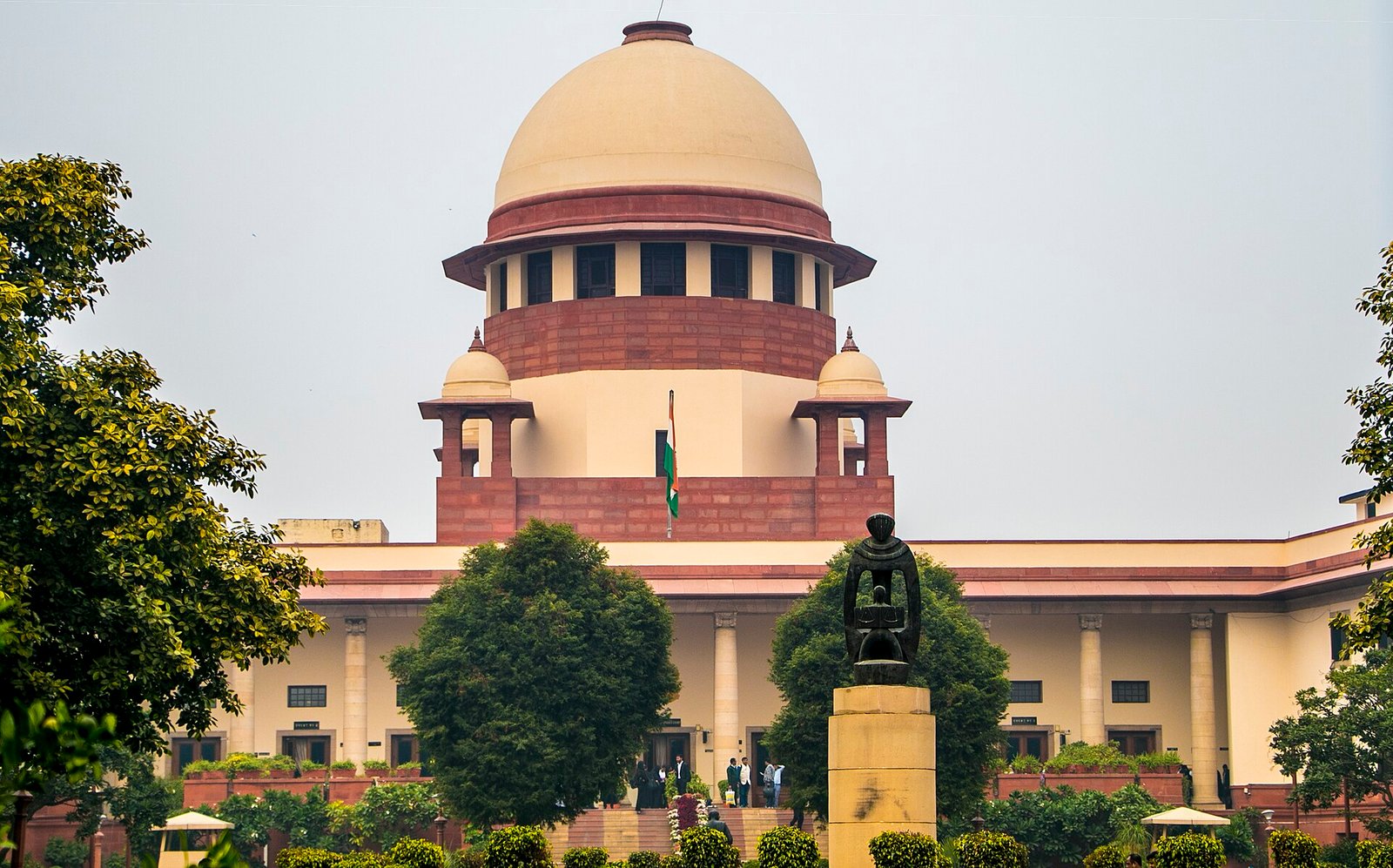
The Supreme Court on Tuesday (October 27) asked the Centre to go back to the drawing board on how acid is sold in India, observing that its existing guidelines had plainly not worked as attacks continue to rise. The bench, led by Chief Justice of India Surya Kant with Justices Joymalya Bagchi and V. Mohana, sought an affidavit by November 23 setting out why open retail sale of acid is considered necessary at all.
A Delhi attack at the centre of the case
The hearing was linked to an attack in northeast Delhi’s Bhajanpura on October 6, when a 24-year-old woman suffered serious burns to her face and body. A 41-year-old man who had been stalking her for about six months allegedly threw a corrosive liquid at her on a street near Ghonda Chowk.
Her case reached the top court on October 9 through Shaheen Malik, herself an acid attack survivor who runs support work for others and has a long-pending public interest petition on the issue. Malik told the court the woman had been made to go from hospital to hospital and was allegedly turned away by Sir Ganga Ram Hospital. The court then ordered the private hospital to admit her, treat her fully and send the bill to the court. On Tuesday, the hospital said her treatment was still going on, and the bench asked authorities to consider moving her to a private room where her mother could stay with her.
‘Something is wrong’
Additional Solicitor General Archana Pathak Dave, appearing for the Centre, said acid sale falls under the states, that detailed guidelines had been sent to them and revised, and that the weak link was implementation on the ground. She said the Centre would look at options ranging from a complete ban to tighter controls, such as purchaser records and limiting sales to wholesale outlets.
The bench was not satisfied. It said the rising number of cases was itself proof that the guidelines had failed and reason enough to revisit them. The Centre could not consider its job done merely by issuing circulars and passing the burden to states, the court remarked, adding that the accountability of enforcing officers would be key.
Your guidelines have not achieved the object for which they were framed.
Chief Justice of India Surya Kant
Justice Bagchi questioned why acid needs to be on open shelves when cheap substitutes exist for household use, and the Chief Justice pointed to the controlled regime under the narcotics law as a possible model. The court suggested the Centre identify the specific purposes that genuinely need acid and then propose measures for states, such as mandatory stock records or restricting supply to hospitals and offices.
Why it matters
Free first aid for acid attack survivors is already a legal duty: Section 397 of the Bharatiya Nagarik Suraksha Sanhita, 2023 requires every hospital, government or private, to treat such victims immediately and at no cost. Survivors’ groups, however, say there is still no uniform rehabilitation scheme, and the Delhi case showed how treatment can be delayed despite the law.
What happens next
- The Centre must file its affidavit by November 23, explaining why retail sale is needed and whether an expert team finds that substitutes are now available.
- The court also asked for data on whether acid attacks have increased over time.
- A rehabilitation framework submitted by an NGO has been sent to the National Legal Services Authority, which, along with the Centre, will seek suggestions from stakeholders, including survivors.