Photo: Pradeep717 / Wikimedia Commons, CC BY-SA 4.0
India’s state-run oil marketing companies will not buy any ethanol made from sugarcane juice, sugar, sugar syrup or B-heavy molasses in the coming supply year, after the Centre directed that no sugar be diverted to fuel production between November 2026 and October 2027. The condition is part of a procurement tender issued on October 16 by Bharat Petroleum on behalf of the oil companies, which also trims the incentive paid for ethanol distilled from maize.
The Government of India has issued directions that sugar diversion for ethanol be reduced to zero for the ethanol supply year 2026-27.
Tender document of the oil marketing companies
What the tender asks for
The oil companies are seeking about 1,100 crore litres (11 billion litres) of ethanol to keep up the 20% blend in petrol, known as E20, which became the nationwide standard earlier this year. According to the tender, about 300 crore litres are wanted in each of the first two quarters and 250 crore litres in each of the last two.
Bids are open only for ethanol from other feedstocks permitted under the National Policy on Biofuels. The basic rates set in the tender are:
- Maize: ₹66.07 a litre, plus an incentive of ₹2.79, for an effective ₹68.86 (down from ₹71.86, when the incentive was ₹5.79)
- Damaged food grains: ₹64 a litre
- Surplus rice from the Food Corporation of India: ₹60.32 a litre
- C-heavy molasses, the residue left after most sugar is extracted: ₹57.97 a litre
Transport charges and GST are paid separately. The tender also says first-quarter allocations will depend on the outcome of pending court cases over how the oil companies allot ethanol volumes.
Why the government has pulled the plug on sugar
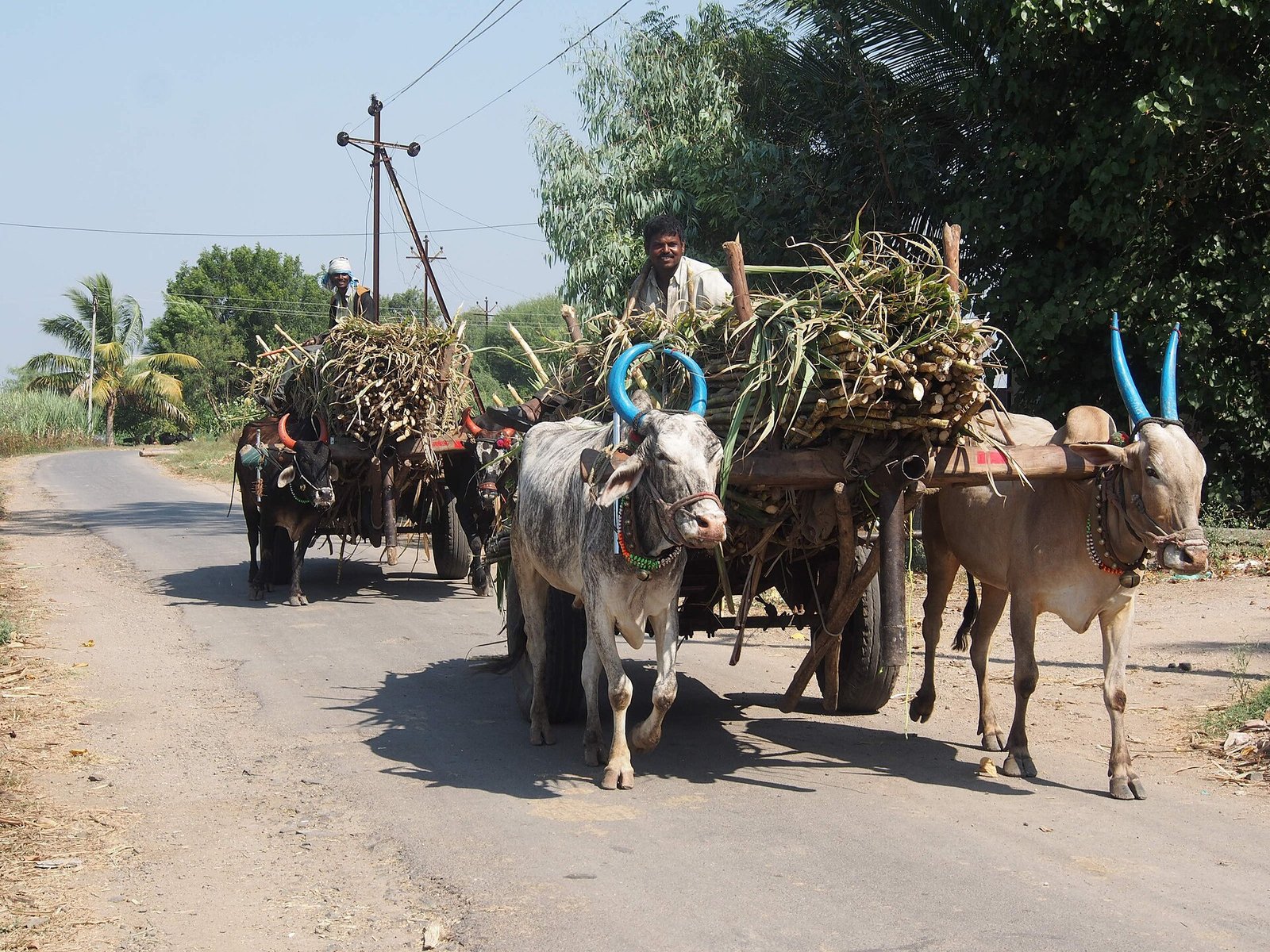
The decision comes amid worries about how much sugar the country will produce after poor rainfall in Maharashtra and Karnataka, both key cane-growing states, and about rising retail prices. India is the world’s largest consumer of sugar, and when output is squeezed, cane juice and syrup sent to distilleries compete directly with the supply meant for kitchens and food makers.
Until now the blending programme has drawn on both grain and cane. It has given distilleries a large, steady buyer and farmers an extra outlet for their crops, while helping cut India’s crude oil imports and vehicle emissions. Shutting that route for a full year means the blending programme will now depend almost entirely on grain and on C-heavy molasses.
Distillers push back on prices
The All India Distillers’ Association has asked the government to restore the maize incentive to ₹5.79 a litre and raise the price for ethanol made from FCI rice, saying the current rates squeeze margins as grain, energy, chemical and logistics costs climb. In a statement on October 17, it also sought some flexibility to use cane juice, syrup and B-heavy molasses within safeguards for domestic sugar needs, warning that relying too heavily on one feedstock could leave the programme exposed to a bad crop year.
What happens next
Distilleries must now submit quantity bids feedstock by feedstock and quarter by quarter, and supplies under the new contracts begin on November 1. Only ethanol made at a bidder’s own registered distillery from domestic raw material will be accepted. The government is expected to release its estimate of sugar output for the 2026-27 season next month, which should give a clearer picture of how tight supplies will be.