Photo: Pinakpani / Wikimedia Commons, CC BY-SA 4.0
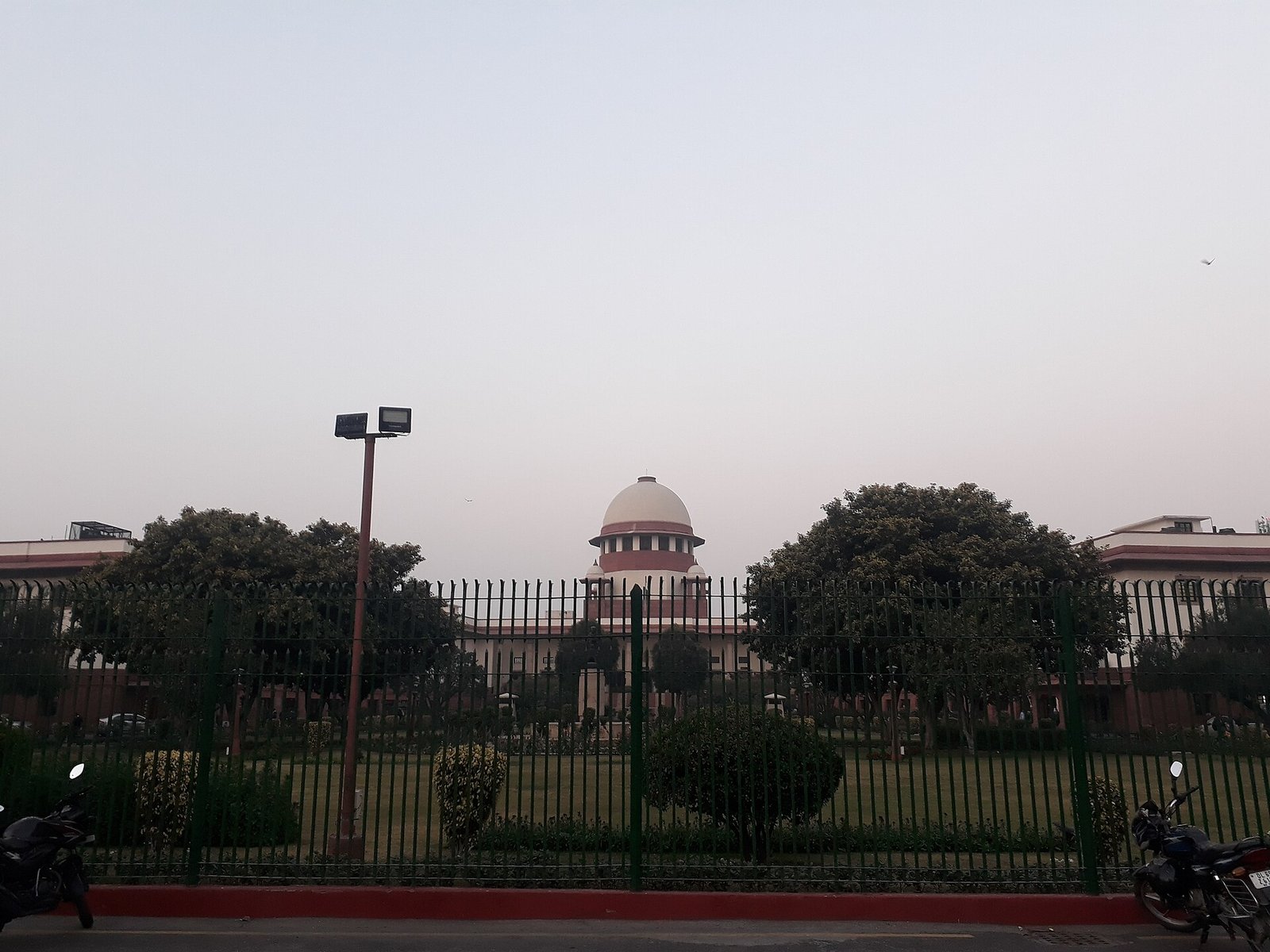
Residents of Delhi and the National Capital Region will be allowed to burst certified green firecrackers on November 7 and 8 this Diwali, but only in two short windows, from 6 am to 7 am and from 8 pm to 10 pm, under a Supreme Court judgment made public on Monday. The court said the complete ban on firecrackers in the region would come back into force from November 9.
Why the court eased the ban
A bench of Justices M.M. Sundresh and P.B. Varale said it was choosing temporary regulation over an outright prohibition. In its view, the earlier blanket ban had not made a significant difference to air quality and had failed to stop conventional crackers from being sold illegally, often passed off as green ones. The ban, the bench noted, was feeding a black market while keeping tested, legitimate products away from buyers.
We are inclined to regulate the manufacture, storage, sale and bursting of green firecrackers, instead of maintaining the complete ban on the same, for a temporary period.
Supreme Court bench
The judges said they did not yet have enough data to decide whether a total ban was the best answer to festive pollution, and placed the blame for past failures on weak enforcement. They also held that the right to religious practice under Article 25 is subject to public health and to the right to a clean environment under Article 21, while acknowledging Diwali’s deep social and emotional significance across communities.
The rules for makers, sellers and buyers
- Only manufacturers certified by CSIR-NEERI and PESO may make approved green crackers, and only between November 2 and 6.
- Every box must stay sealed and carry a product-specific QR code showing the maker, NEERI registration, licence, formulation and test certificate.
- Sales are allowed only at locations fixed by district authorities with the police; online sales are banned. Cancelled trader licences will be restored only from November 4 to 6.
- Crackers joined in series (laris), barium-based crackers and products not approved by CSIR-NEERI remain prohibited.
- No bursting within 300 metres of hospitals, nursing homes, health centres, old-age homes, educational institutions and notified silence zones.
Manufacturers and traders must also deposit security money that will be forfeited if they break the rules, and police have been told to inspect sale points, verify QR codes and check vehicles entering the region for illegal stock.
What happens next
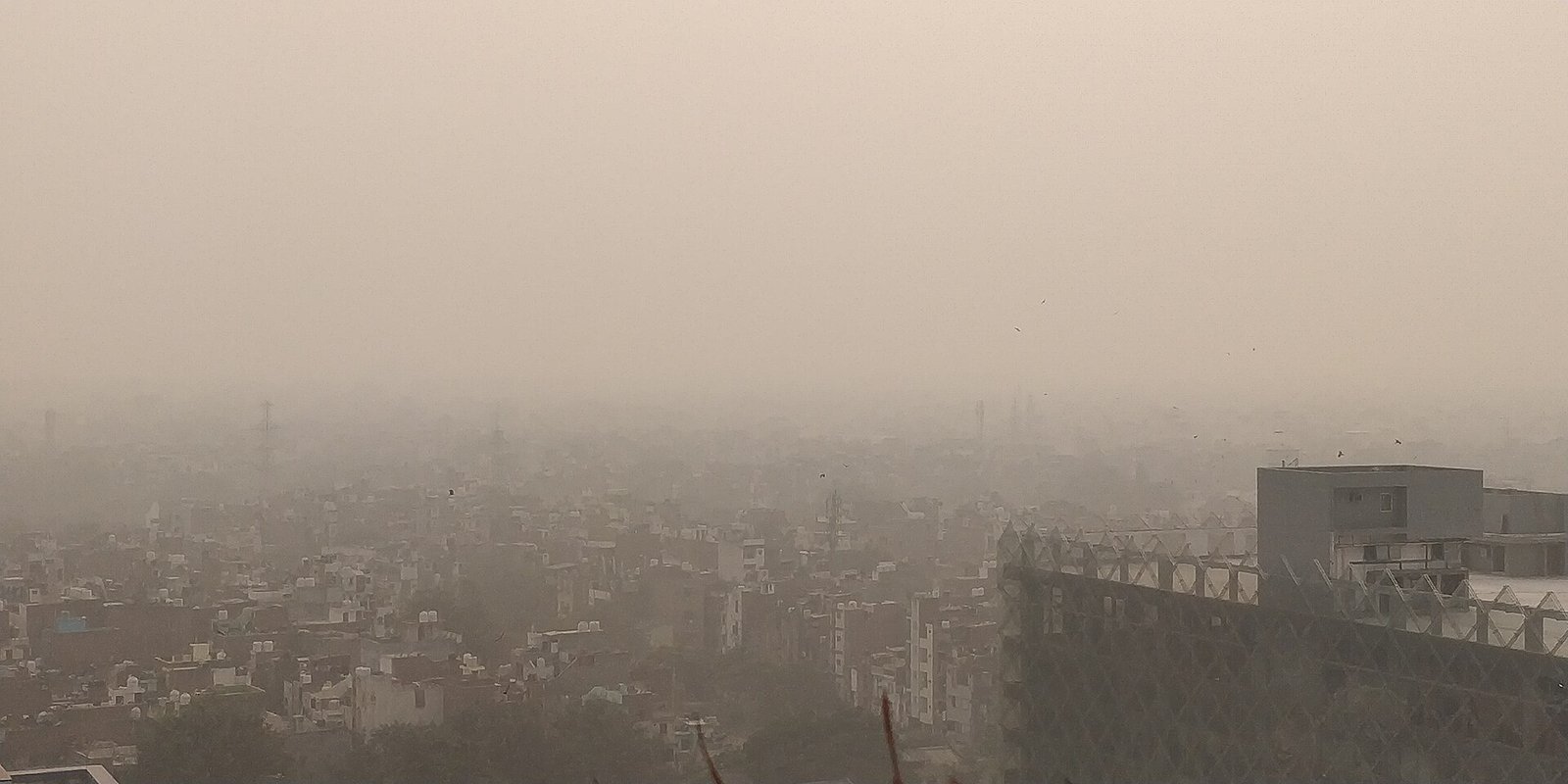
The order comes as Delhi’s air has already turned ‘very poor’, with the city’s AQI at 312 on Monday morning, less than a week before the festival. The court has asked the Central Pollution Control Board to prepare daily air-quality reports for November 2 to 6, the two festival days, and the post-Diwali period up to November 30, and to collect hospital data on any rise in admissions linked to pollution. Faulty monitoring stations are to be repaired at once, and states must file compliance affidavits. That evidence is expected to guide whether the relaxation is repeated in future years.