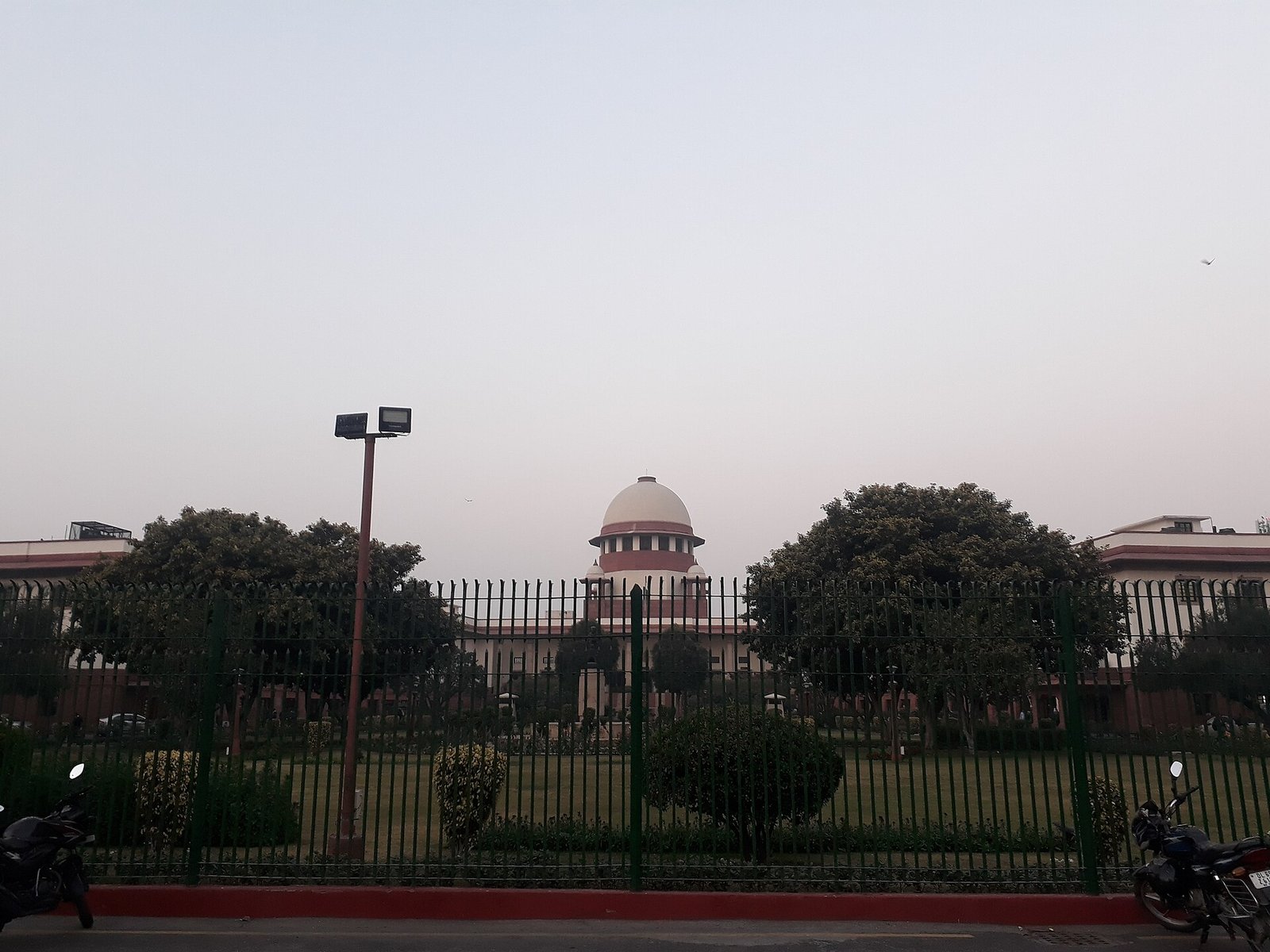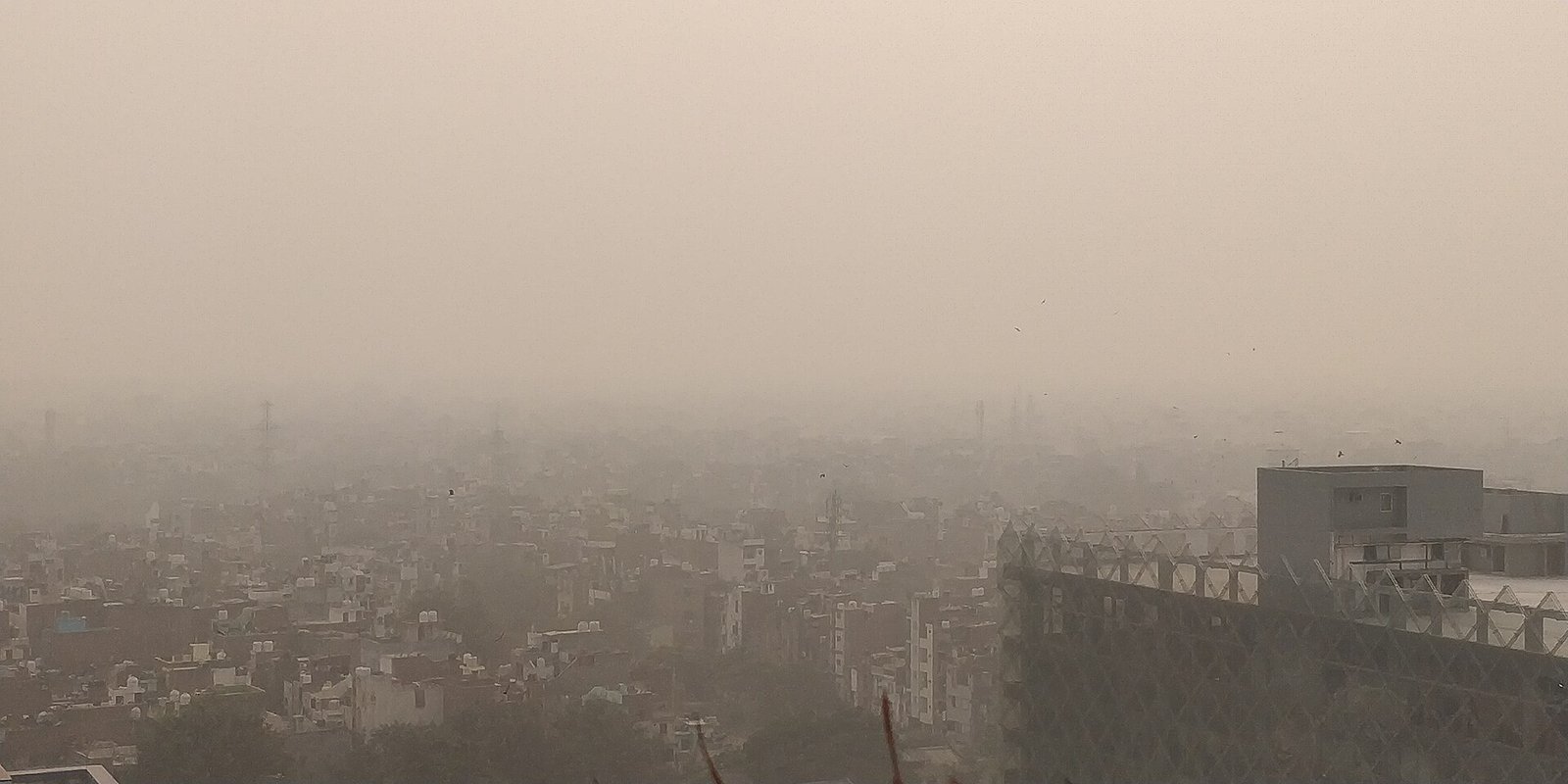
Photo: Prami.ap90 / Wikimedia Commons, CC BY-SA 4.0
The Commission for Air Quality Management (CAQM) on Monday, November 2, put Stage II of the Graded Response Action Plan (GRAP) into force across the National Capital Region with immediate effect, after Delhi’s air quality slipped into the ‘very poor’ category for the first time this season. The city’s Air Quality Index stood at 324 at 4 pm, its highest reading since February 4, when it touched 339.
A sharp three-day slide
The deterioration has been quick. Heavy rain had left Delhi with an AQI of just 60 on Friday, its cleanest October day in four years. The index then rose to 117 on October 31 and 261 on November 1, before crossing 300 early on Monday morning.
By 4 pm, three monitoring stations were in the ‘severe’ band: Jahangirpuri at 436, Rohini at 415 and Punjabi Bagh at 413. Of the 58 stations reporting, 37 were in the ‘very poor’ range and only one was ‘moderate’. Fine particulate matter, PM2.5, was the main pollutant, according to the Central Pollution Control Board.
Estimates from the Decision Support System put vehicles at 19.2% of Monday’s pollution load in Delhi and stubble burning at 8.4%. Among neighbouring districts, Jhajjar and Sonipat were the biggest outside contributors.
What Stage II means on the ground
The GRAP sub-committee said it reviewed forecasts from the India Meteorological Department and the Indian Institute of Tropical Meteorology before ordering all agencies to enforce both Stage I and Stage II measures. Stage II applies when the AQI is between 301 and 400. The steps include:
- Daily mechanical sweeping of roads, water sprinkling and anti-smog guns to cut dust
- Traffic police deployed at congested roads and junctions, with tighter checks on PUC certificates and visibly polluting vehicles
- Stricter inspections of industries, brick kilns and power plants
- No coal or firewood in tandoors at hotels, restaurants and roadside eateries
- Regulated use of diesel generators, backed by uninterrupted power supply
- More frequent Metro, RRTS and CNG and electric bus services
Residents have been asked to use public transport or carpool, switch off engines at signals, avoid burning waste and report violations on the 311, Green Delhi and SAMEER apps.
Border checks slow traffic
Monday was also the second day of the ban on petrol and diesel vehicles registered outside Delhi that do not meet BS-VI norms, a rule in force until January 31. Intensified checks caused long queues at the Gurugram, Noida, Ghaziabad and Sonipat borders, with traffic on NH-48 backed up for several kilometres near the Sirhaul toll plaza. The traffic police’s Northern Range said it checked 7,657 vehicles between midnight on November 1 and noon on Monday and turned back 609.
The Delhi High Court on Monday declined to stay the ban, issuing notice on a Faridabad lawyer’s challenge and listing it for hearing on November 27.
What happens next
The early warning system expects the AQI to stay ‘very poor’ from November 3 to 5 before easing slightly into the ‘poor’ range. Some forecasters are less hopeful: meteorologist Navdeep Dahiya said winds were calm and from the northwest, and he saw no favourable weather for the next seven to 10 days. The timing is awkward, with the Supreme Court allowing certified green crackers on November 7 and 8 for Diwali. Residents have also been asked by the commission to refrain from bursting firecrackers.