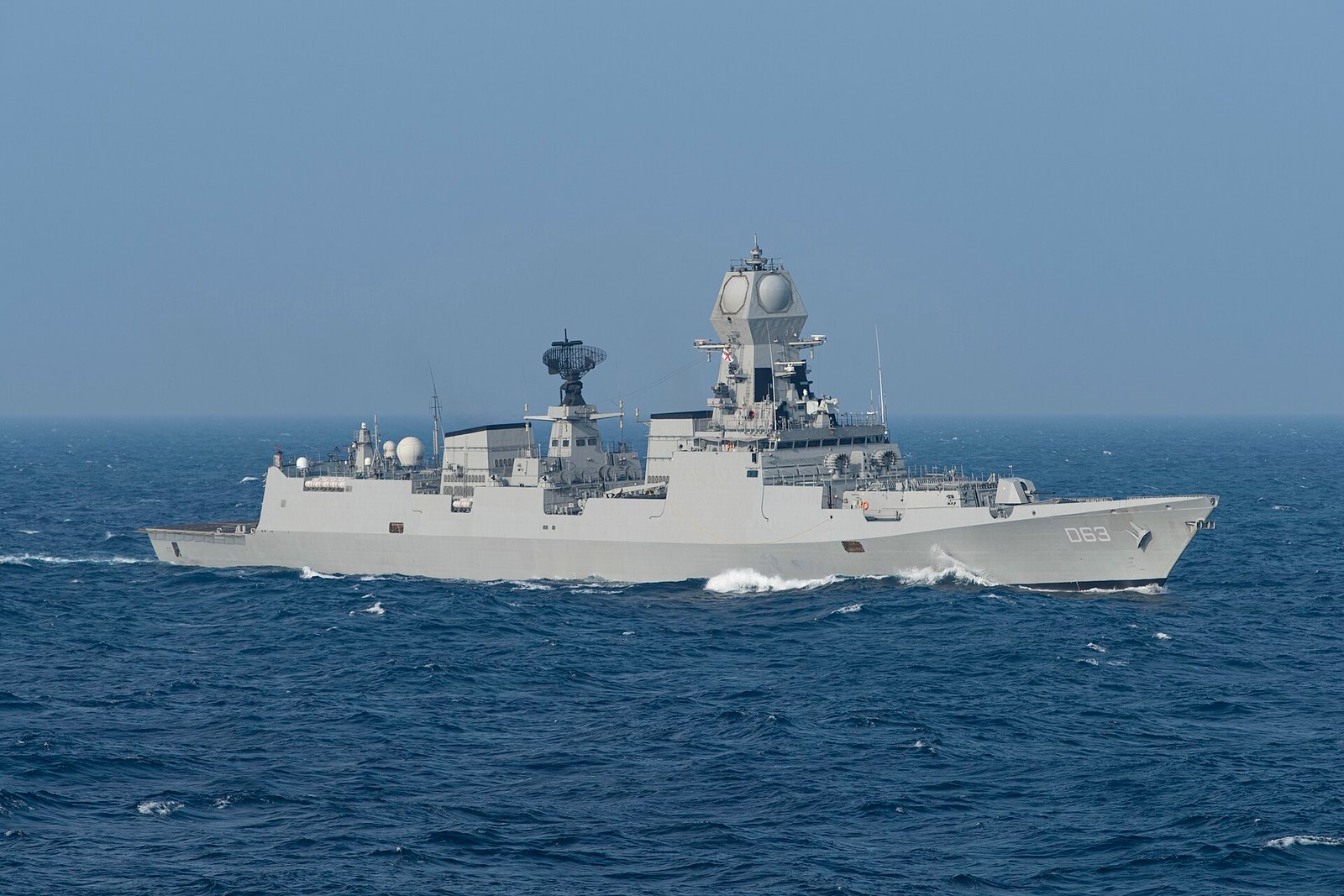
Photo: U.S. Navy photo by Mass Communication Specialist Seaman Drace Wilson / Wikimedia Commons, public domain
The Indian Navy has freed the Iranian fishing vessel Azini and all 20 of its crew members from Somali pirates after a 48-hour operation deep in the Arabian Sea, more than 3,000 km from Mumbai, officials said on Monday, November 2. The Navy tracked down and intercepted the boat with support from the Indian Air Force, and secured both the crew and the vessel.
How the operation unfolded
The Azini was seized on Thursday, October 29, between the coastal towns of Bandar Bayla and Hafun in northeastern Somalia, according to Puntland’s maritime police. Officials said 12 armed pirates boarded the boat. Early reports from the EU-led Maritime Security Centre Indian Ocean put the number of people on board at 23, including Iranian fishermen and two Somali security guards.
The security centre tracked the hijacked boat as it moved east towards a busy commercial shipping lane, and warned that it could be used as a “mother ship”, a floating base from which pirates launch speedboat attacks on large merchant vessels far from the coast. A photograph released by the defence minister showed the destroyer INS Kolkata standing by while armed commandos guarded men seated on the fishing boat’s deck, with seized weapons laid out beside them. The Navy has not yet given full details of the other ships and aircraft involved.
Our brave personnel have once again demonstrated India’s ability, intent and resolve to safeguard lives, uphold maritime security and ensure stability across the Indian Ocean Region.
Rajnath Singh, Defence Minister
Singh, who announced the rescue on X, said the swift location, interception and release of the crew from “significantly-armed pirates” reflected the Navy’s high operational readiness.
Why it matters
Somali piracy, largely suppressed for a decade by international naval patrols, has returned in recent months. Several commercial vessels have been hijacked since April, some far from the Somali coast, including the oil products tanker Sibu 1 off Yemen. In September, authorities in Puntland said pirates had killed five crew members of the tanker MT Honour 25 before security forces recovered it.
The threat adds to pressure on shipping in a region already disrupted by the Iran war, attacks around the Strait of Hormuz and Houthi threats near the Bab el-Mandeb Strait. Stopping a potential mother ship early helps protect the sea lanes that carry much of India’s trade and energy imports.
A familiar mission for the Navy
This operation took place even farther out than the Navy’s March 2024 mission, when the same destroyer, INS Kolkata, intercepted the pirate-held MV Ruen around 2,600 km from India’s coast. In that operation, an Air Force C-17 dropped Marine Commandos and boats into the sea, and 35 pirates surrendered after a 40-hour standoff. Earlier that year, INS Sumitra freed two Iranian fishing vessels and 36 crew, and Indian warships later rescued 23 Pakistani crew of the Al-Kambar.
One Indian warship has carried out continuous anti-piracy patrols in the Gulf of Aden since October 2008, and deployments in the Arabian Sea were stepped up after piracy resurfaced in late 2023.
What happens next
It is not yet clear whether the captured pirates will be brought to India to face trial under the Maritime Anti-Piracy Act, 2022, or what will happen to the Azini and its crew.