Photo: U.S. Naval Forces Central Command/U.S. Fifth Fleet / Wikimedia Commons, public domain
The United States has told several West Asian and Gulf partners to be ready for a possible new round of military action against Iran once the American midterm elections on November 3 are over, and to prepare for Iranian retaliation against them, according to diplomats briefed on the warnings. President Donald Trump has not made a final decision, they stressed.
Speaking to reporters at Joint Base Andrews on Tuesday, Mr. Trump declined to rule out fresh strikes after the vote, saying “anything’s possible”.
What allies have been told
Two diplomats said US officials described a campaign that could run for several days, but regional governments fear that attacks by Iran and its allied groups could drag the fighting out for longer. Partners have been urged to take precautions on the expectation that Iran would target energy facilities and other key infrastructure. The White House declined to comment on what it called sensitive military plans, saying only that the President keeps all options on the table to ensure Iran never gets a nuclear weapon.
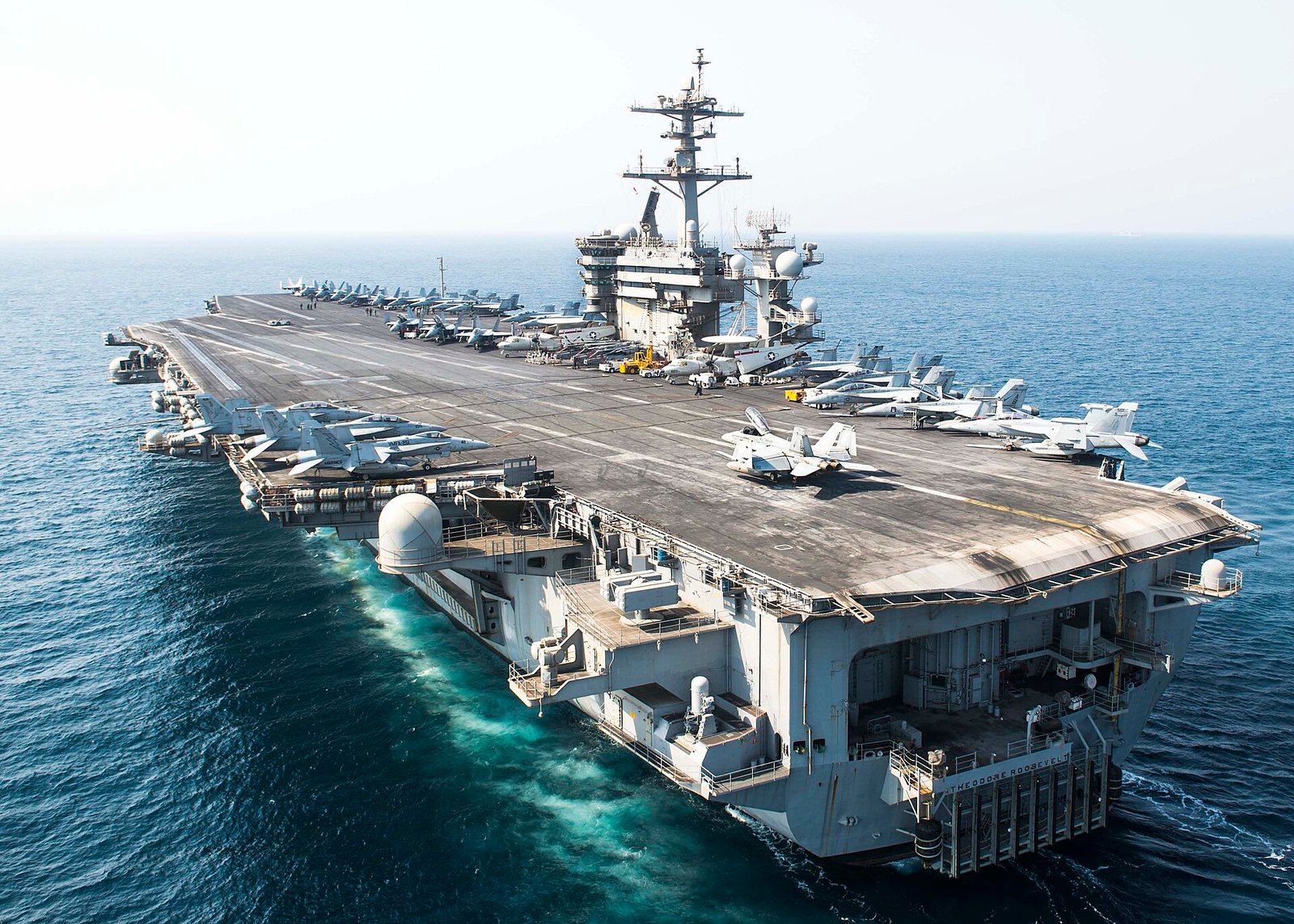
According to a Wall Street Journal report, the US military is moving a Patriot air defence system from Texas into the region, has shifted troops away from exposed bases and is restocking munitions. Another carrier strike group and Marine unit are expected to join about 20 American warships in the region next month. The USS Theodore Roosevelt and amphibious ships carrying roughly 9,000 personnel were sent from San Diego to the Gulf late last month. Israel has also drawn up targets for a new attack, the report said.
A letter to Tehran’s security chief
Running alongside the military build-up is a quieter diplomatic track. Vice President JD Vance, acting at Mr. Trump’s direction, has sent a letter to Mohsen Rezaei, a senior member of Iran’s Supreme National Security Council and a former longtime commander of the Revolutionary Guards, the Journal reported. The exchanges have reportedly focused on a possible framework for talks rather than a concrete proposal. Vance’s office declined to comment, and Iran’s foreign ministry said it had no information about the outreach.
Iranian Foreign Minister Abbas Araghchi said on Wednesday that Tehran still wanted to give diplomacy a chance and was working with mediators on ideas from a proposal it floated last month, which Mr. Trump rejected. The UAE foreign ministry urged both sides to seek political solutions.
Shake-up at the Pentagon
Separately, Defence Secretary Pete Hegseth has removed Lieutenant General Brett Sylvia, who headed strategy, plans and policy for the Joint Staff, without a public explanation, The Atlantic reported. Pentagon officials told the magazine that Hegseth had lost confidence in him. The Joint Chiefs thanked Sylvia for 32 years of service.
Why it matters
The war, which began in late February, has been largely paused since early September, when the US last struck Iran, but the conflict has widened, with Houthi attacks on Saudi oil sites and airports. A US naval blockade has choked Iran’s oil exports, and higher fuel prices have become a liability for Republicans heading into the vote. The Pentagon has told Congress the war has cost $47.1 billion so far. For India and other energy importers, a renewed campaign that hits Gulf infrastructure or shipping through the Strait of Hormuz would mean fresh pressure on oil prices and supplies.
What comes next hinges on Mr. Trump’s decision after November 3. Analysts quoted in US reports cautioned that Iran still holds a large missile stockpile and has used the lull to prepare its response.