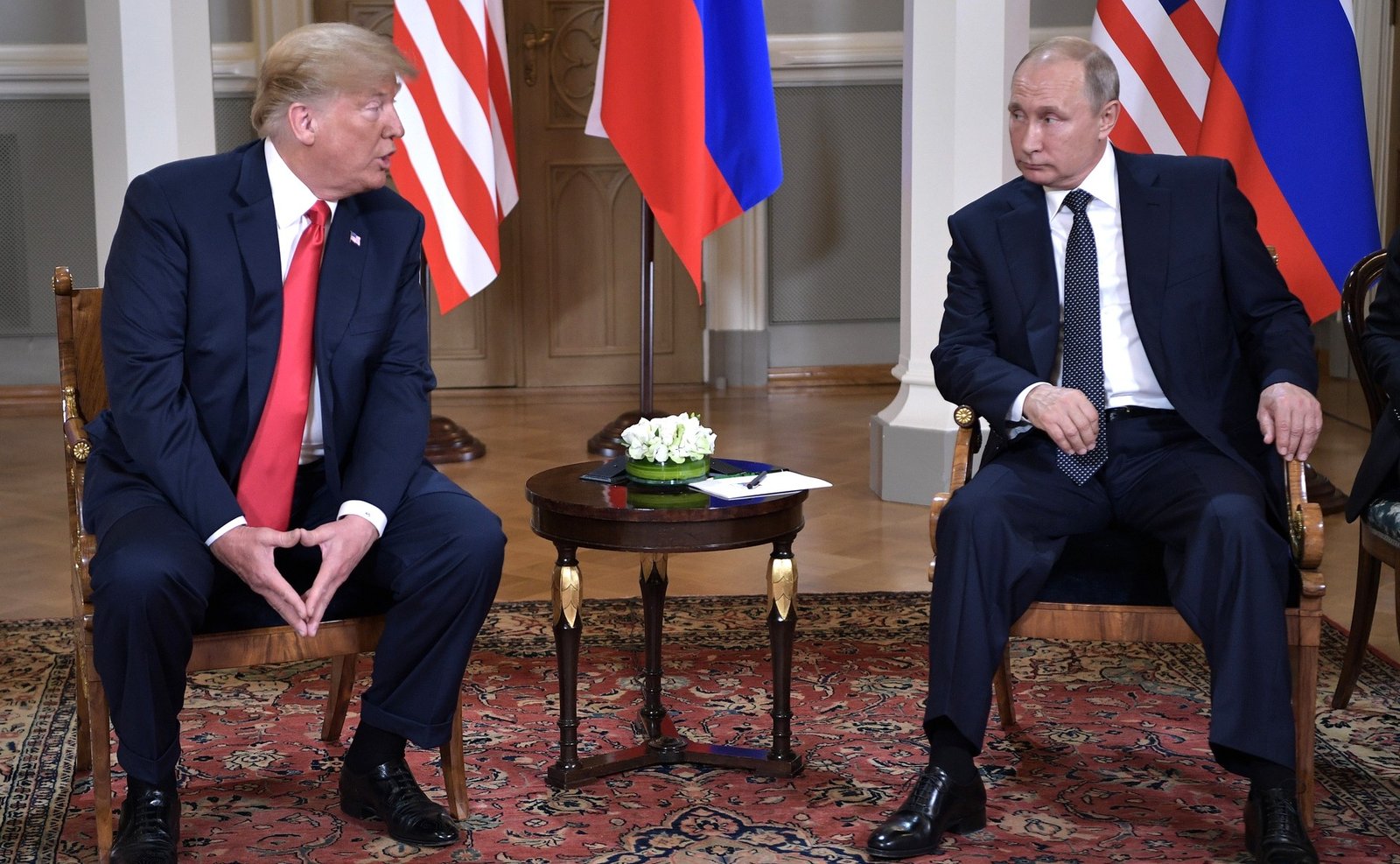
Photo: Kremlin.ru / Wikimedia Commons, CC BY 4.0
US President Donald Trump has announced a deal with Russian President Vladimir Putin to bring Russian diesel into the American and global markets, a move Ukraine’s President Volodymyr Zelensky condemned as a gift to Moscow that would help prolong the war.
What has been agreed
Trump said Russia had agreed to release 300,000 tonnes of diesel immediately, followed by 500,000 tonnes in November and a further one million tonnes after that. He added that another three million tonnes could follow “within a short period”, depending on the condition of Russian refineries, which have been hit by Ukrainian drone strikes.
To make this possible, the US Treasury issued a temporary licence allowing Russian diesel into the market, suspending sanctions on Russian diesel exports until April 7. Other Russian assets, such as those held in American banks, remain frozen. Putin confirmed Russia’s willingness to supply oil and petroleum products to the US and global markets, but did not give figures.
Why Trump wants it
Fuel prices have surged worldwide this year. The US-Israel war on Iran, which began in February, has largely shut the Strait of Hormuz, a route that carried about a fifth of the world’s oil and gas in peacetime. Attacks on energy facilities in Russia and Ukraine and Houthi attacks around the Red Sea have added to the squeeze.
US diesel prices hit record highs in September and remain above $6 a gallon, according to the American Automobile Association. With midterm elections due in November, the cost of fuel has become a political problem for the president, especially among farmers, truckers and small businesses that depend on diesel.
Analysts are sceptical about the impact. One investment strategist estimated that the first shipment equals roughly 2.25 million barrels, against US consumption of around 3.8 million barrels a day, and said it would not make a material difference at the pump.
Backlash from Kyiv and Europe
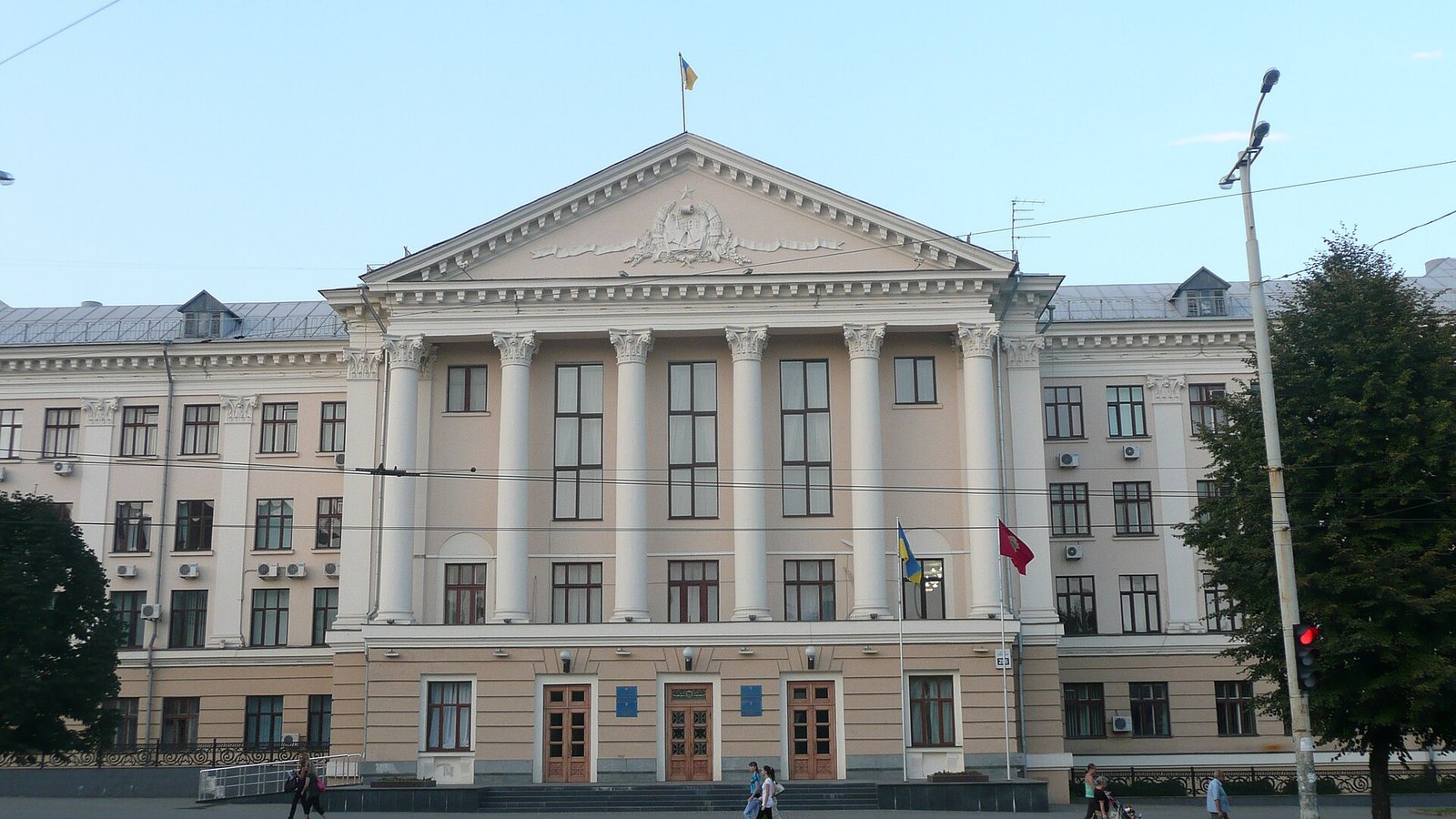
Zelensky said the deal was an investment in a war “that must be ended, not prolonged”, and warned that Russia would repay it with more attacks. He later pointed to deadly overnight Russian strikes on Zaporizhzhia and Kyiv.
The EU’s foreign policy chief, Kaja Kallas, said suspending sanctions gives Moscow more money to wage war, and that Europe would not ease pressure on Russia. European foreign ministers are expected on Monday to approve their largest package of sanctions against Russia since the full-scale invasion began. The UK also said it would keep up its own sanctions.
What comes next
Much depends on whether Russia can actually deliver the volumes Trump announced, since its own refineries have been damaged and it has faced fuel shortages at home this year. The White House has not said what Russia will receive in return.
.jpg)