Photo: Pinakpani / Wikimedia Commons, CC BY-SA 4.0
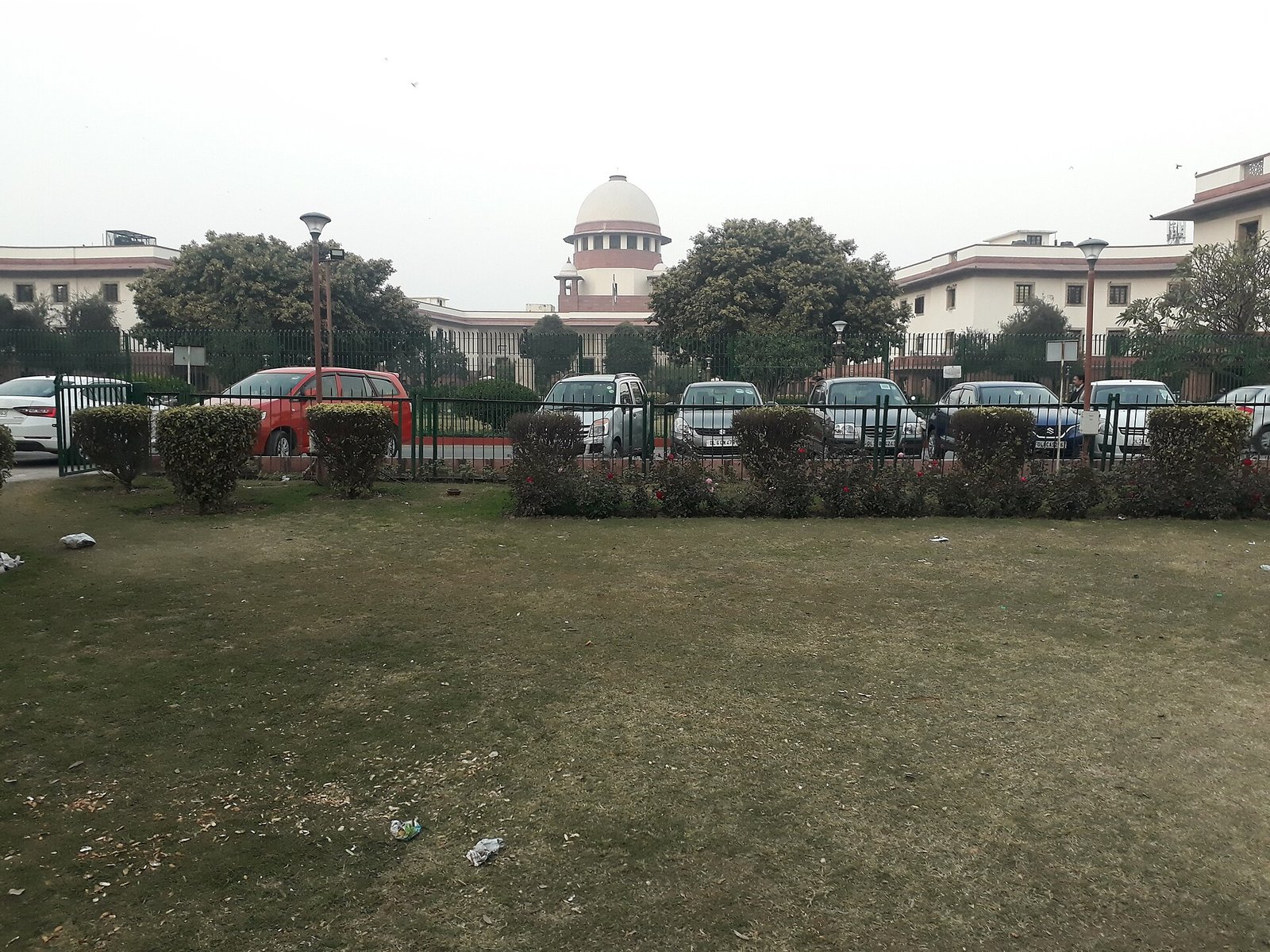
The Supreme Court will hold a rare Sunday sitting on October 11 to hear challenges to the mass detentions and transport shutdown that accompanied Saturday’s protest in Delhi against Chief Election Commissioner Gyanesh Kumar. A Bench of Justices Joymalya Bagchi and V. Mohana will take up two petitions, according to the court’s cause list published on Saturday evening.
Two petitions before the court
The first, moved by senior advocate and Trinamool Congress MP Menaka Guruswamy, challenges the preventive detention of protesters and Opposition leaders, including four former chief ministers. It argues that preventive detention cannot be used to crush the fundamental right to protest peacefully, and questions the police practice of picking up people from the streets and leaders from their homes.
The second is a contempt petition filed by advocate Shailendra Mani Tripathi against Union Home Secretary Govind Mohan, Delhi Police Commissioner Anurag Kumar and Delhi Metro Rail Corporation chairperson D. Thara. It alleges that they wilfully disobeyed the court’s October 9 order by keeping up a blanket shutdown of transit, cancelling trains and failing to publish traffic advisories.
According to the petition, 57 Metro stations stayed under closure restrictions and several trains due at New Delhi and Hazrat Nizamuddin stations were cancelled, leaving ordinary travellers stranded.
What the court had ordered on Friday
On Friday, a Bench led by Chief Justice Surya Kant, hearing a plea by CPI(M) general secretary M.A. Baby, questioned why the entire transport system needed to be halted. The judges said security concerns could justify regulating Metro and rail services but not stopping them outright, remarking that the authorities could not use “a hammer to kill a fly”. The court directed that Metro and train services be allowed to run in a regulated way, that advisories be widely published, and that compliance reports be filed within four days.
Detainees freed, leaders still held
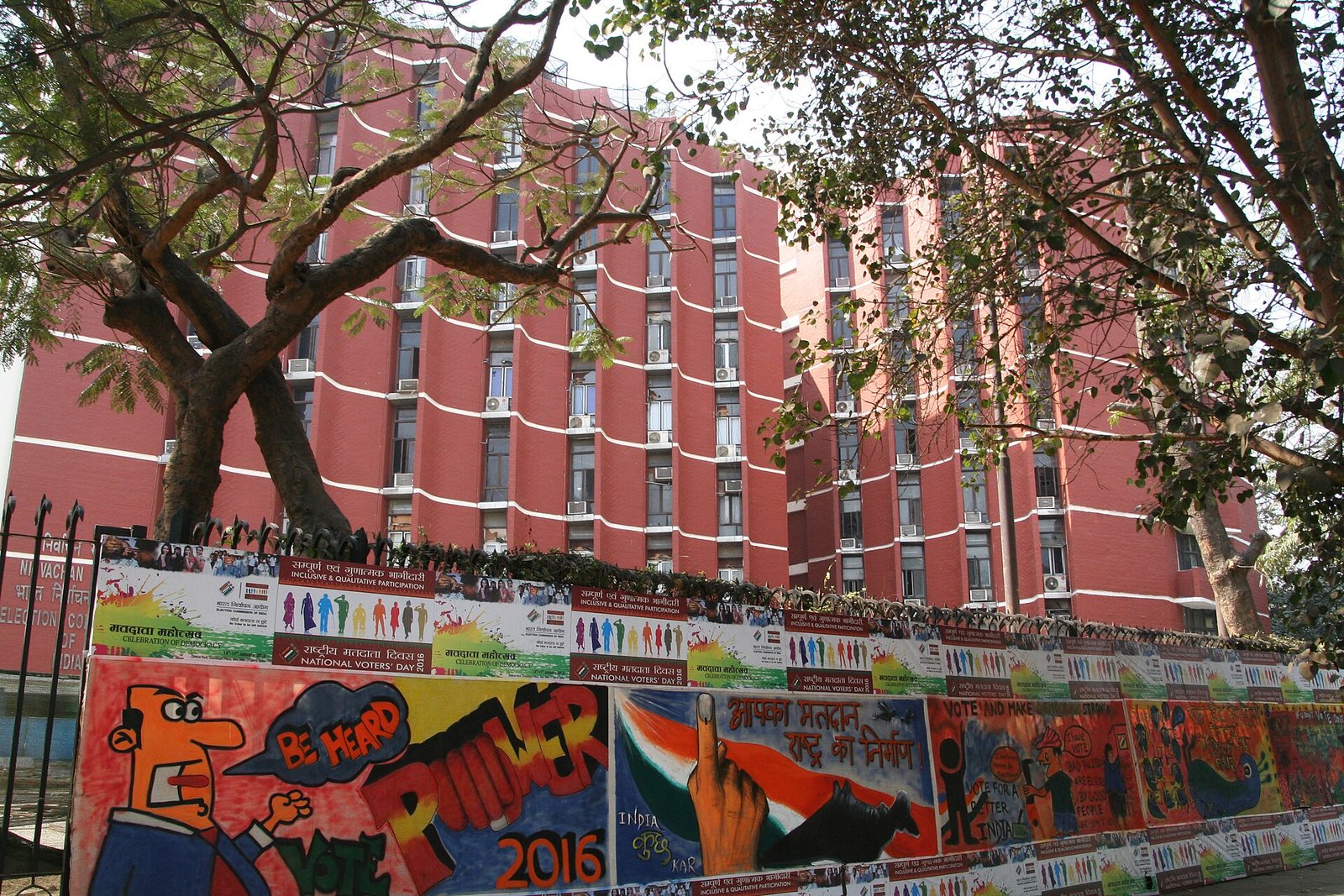
Thousands of people, including AAP convener Arvind Kejriwal, former chief ministers Mamata Banerjee, Pinarayi Vijayan and Manik Sarkar, and YouTuber Dhruv Rathee, were detained as police stopped marchers from reaching Jantar Mantar. Police had refused permission for the protest called by the Cockroach Janta Party (CJP), citing security. By Saturday night, police sources said most detainees had been released, except CJP leaders Abhijeet Dipke, Saurav Das and Ashutosh Ranka, against whom the “due legal process” would follow. Police also said seven personnel were injured in stone-pelting near Akashwani Bhawan and Connaught Place.
The UN human rights office said it was concerned by reports of mass detentions of demonstrators, protest leaders, civil society members, lawyers and journalists, and urged the authorities to uphold the right to peaceful assembly and release those held.
What happens next
Sunday’s hearing will examine whether the authorities complied with the court’s order and whether the detentions were lawful. The protesters are demanding Kumar’s resignation over alleged irregularities in the Special Intensive Revision of electoral rolls, and the Trinamool Congress has said the INDIA bloc will hold another large protest in Delhi on October 12, with Mamata Banerjee taking part.