Photo: Pinakpani / Wikimedia Commons, CC BY-SA 4.0
The Supreme Court on Sunday ordered that metro and train services in Delhi run normally, that internet access stay undisturbed and that people be allowed to move freely around the capital, a day after a sweeping security operation against a protest targeting Chief Election Commissioner Gyanesh Kumar. Holding a special sitting, a bench of Justices Joymalya Bagchi and V Mohana also made clear that peaceful, unarmed protesters cannot be detained except by the procedure established by law.
What the court ordered
The bench was hearing petitions that alleged mass detentions, blocked roads, internet shutdowns and defiance of its own October 9 order on transport curbs. Its directions were:
- Metro and rail services must function normally, unless restrictions are needed to deal with a public order situation within the limits of Article 19(2) of the Constitution.
- People must be allowed to move freely in the city, subject to traffic rules, and the use of barricades must be reviewed at once.
- Internet services must remain undisturbed.
- No one may be detained except in accordance with law, particularly people gathering peacefully beyond the area covered by a prohibitory order under Section 163 of the Bharatiya Nagarik Suraksha Sanhita (BNSS).
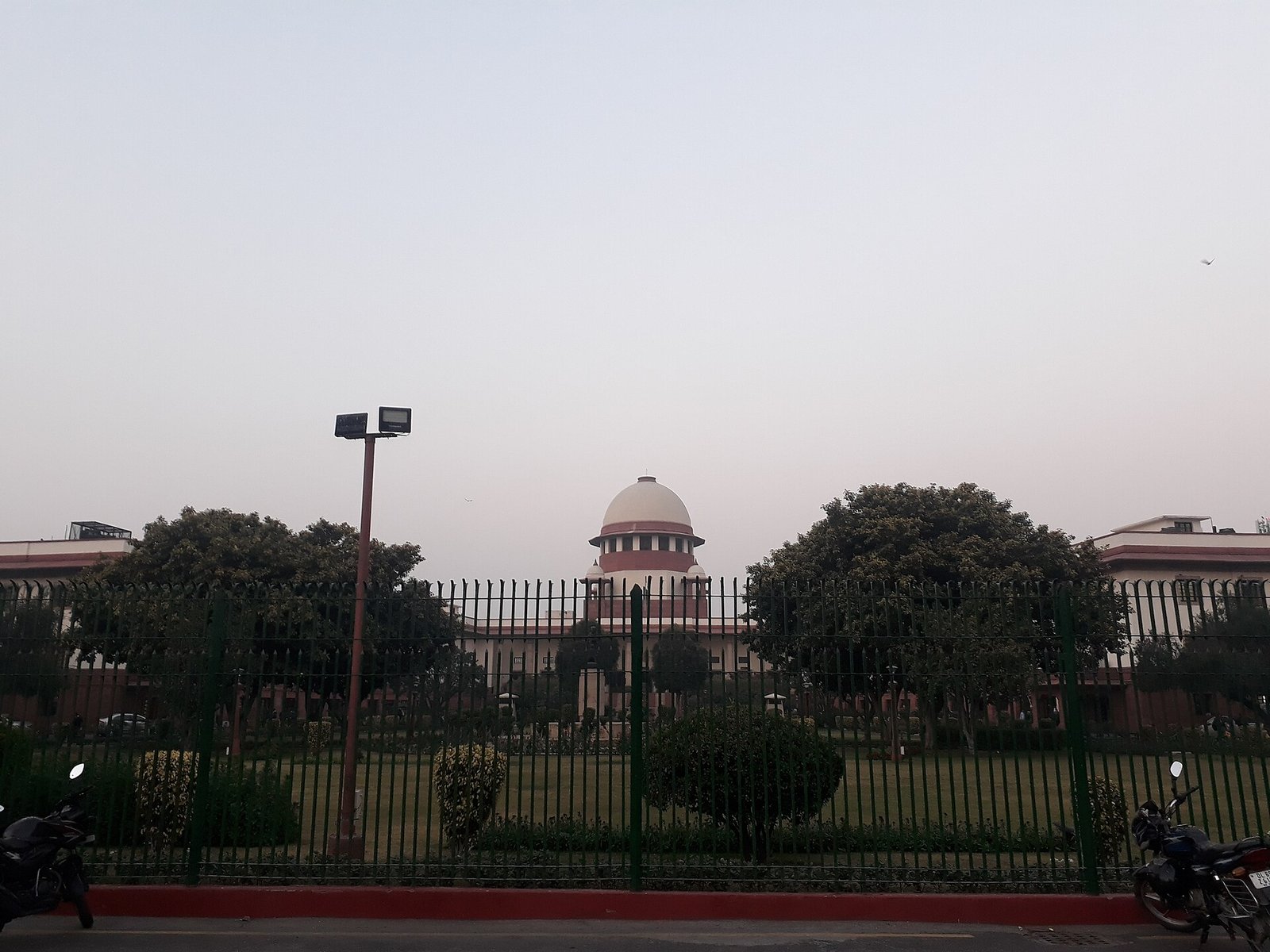
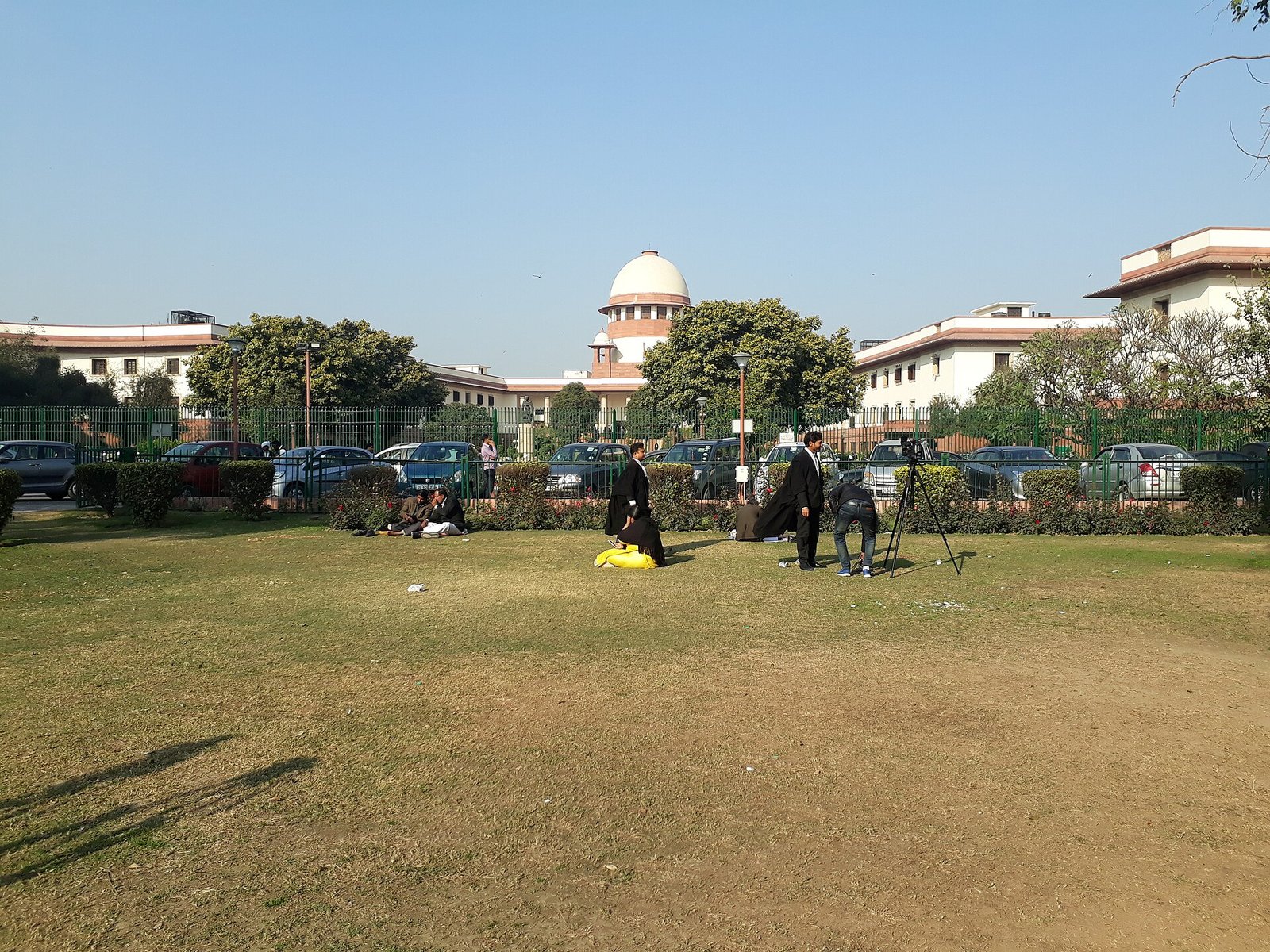
- Any Section 163 notice in and around the Supreme Court and other court complexes must be taken down, so that access to justice is not in doubt.
The court asked Solicitor General Tushar Mehta to ensure that lawyers, journalists and other professionals are not obstructed in their work.
Contempt notices issued
The bench issued notice on a contempt petition filed by advocate Shailendra Mani Tripathi, which names Union Home Secretary Govind Mohan, Delhi Police Commissioner Anurag Kumar and Delhi Metro Rail Corporation chairperson D Thara. The DMRC, the railway authorities and Delhi Police have been asked to file short affidavits and compliance reports. Mehta denied the allegations, telling the court that the metro had run normally on Saturday, with entry and exit restricted at only 45 of its 303 stations.
Senior lawyers including KK Venugopal, Kapil Sibal and Gopal Sankaranarayanan appeared for the petitioners. Shadan Farasat, for the Supreme Court Advocates-on-Record Association, said he had himself been picked up and pushed into a moving bus, and described the city as “one step away from a police state”. The court also took up a habeas corpus petition by Trinamool Congress MP and senior advocate Menaka Guruswamy over the detention of Opposition leaders.
Please be assured that we will remain neutral arbiters. But at the same time, we are duty bound under Article 32 to protect and safeguard fundamental rights of the citizens.
Justice Joymalya Bagchi, to the Solicitor General
Justice Mohana urged protesters to stay peaceful and not instigate.
How it got here
The Cockroach Janta Party (CJP) and other groups had called a march to Jantar Mantar on Saturday to demand Kumar’s resignation over alleged irregularities in the Special Intensive Revision of electoral rolls. On Friday, a bench led by Chief Justice of India Surya Kant had told authorities to regulate, rather than shut down, metro and rail services. Petitioners said that order was ignored: New Delhi and Nizamuddin railway stations stayed shut, no traffic advisories were issued, and people were held far outside the protest zone. An estimated 7,000 people were detained on Saturday as tens of thousands of security personnel were deployed across the capital.
What happens next
The authorities must file their responses by Tuesday, and the matter is listed for hearing on October 13. The order comes as Opposition parties prepare for their own march in Delhi on Monday, which will test how far the police follow the court’s directions on detentions and movement.