Photo: Pinakpani / Wikimedia Commons, CC BY-SA 4.0
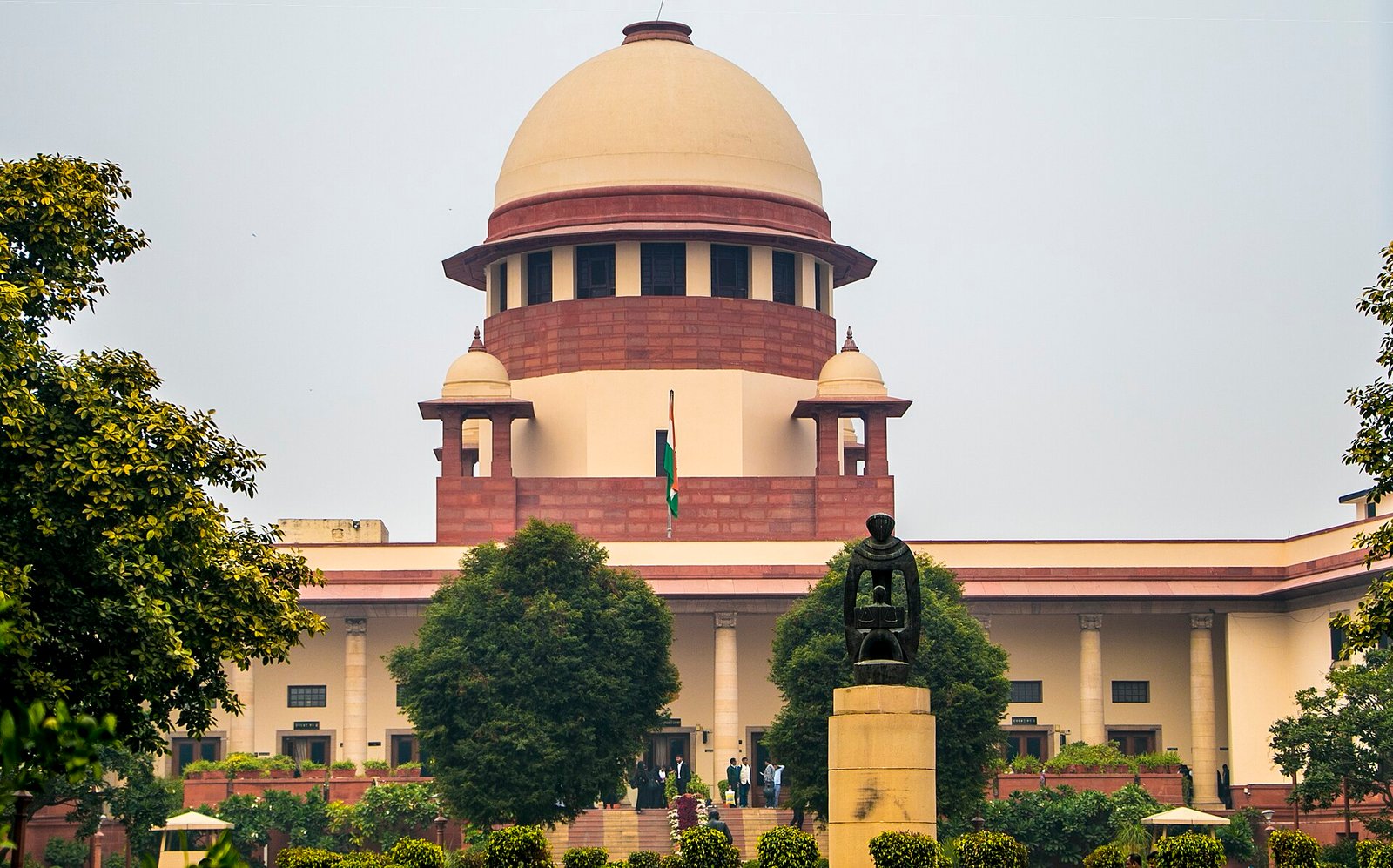
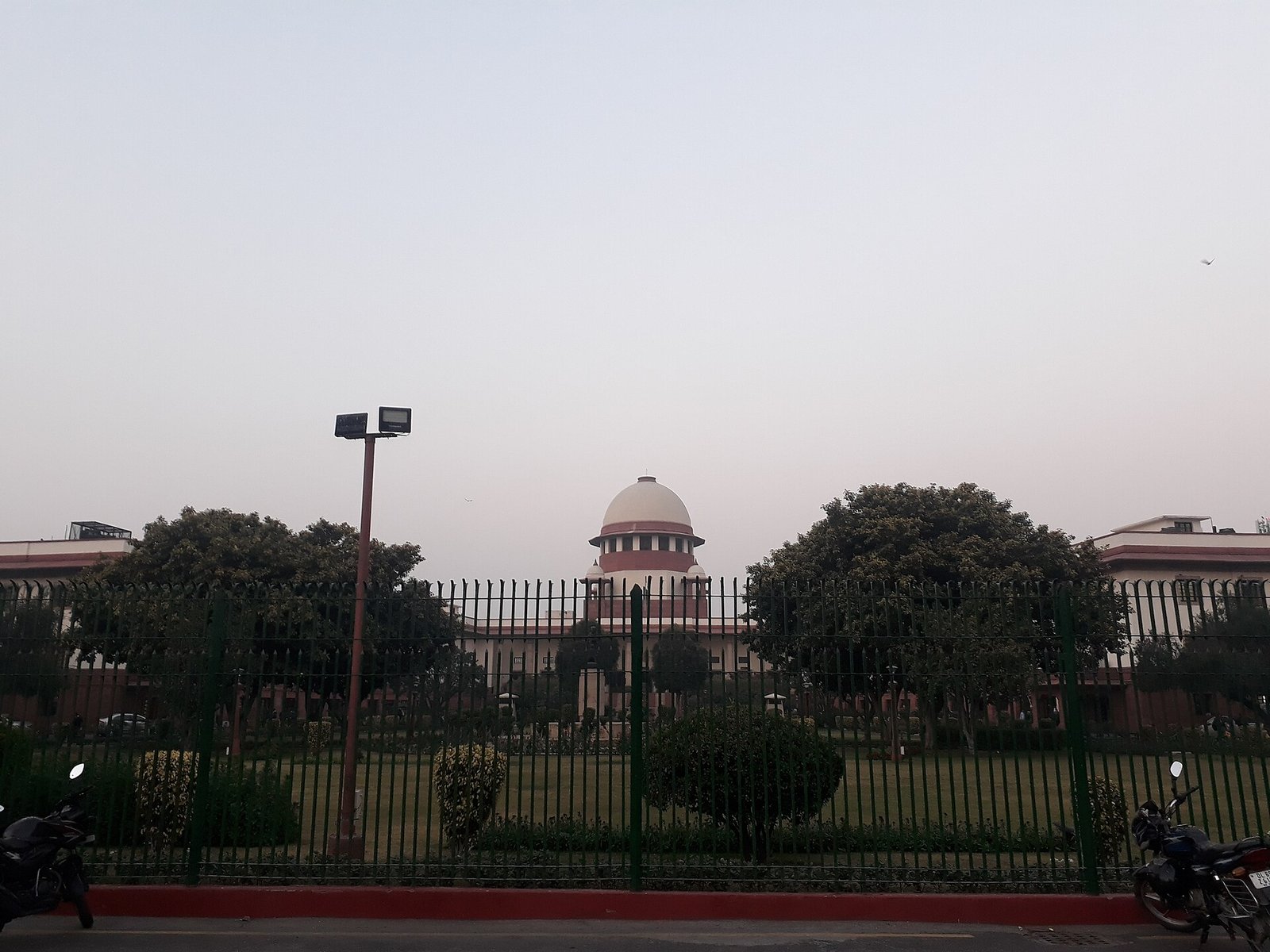
Chief Justice of India Surya Kant has turned down a request from Congress president Mallikarjun Kharge and Leader of the Opposition Rahul Gandhi to meet him on Monday, October 12, dealing a setback to the INDIA bloc’s plan to seek his intervention over the police crackdown on protests in Delhi and its allegations of irregularities in the electoral rolls. The opposition’s march to the Supreme Court is still scheduled for Monday afternoon.
Why the CJI said no
The Chief Justice explained his reasons in an email reply to the opposition leaders. According to people aware of the matter, the main ones were that related cases are already pending before the Supreme Court and that he himself has a role in hearing petitions on these issues. Sources said he told Gandhi that no orders could be passed on the court’s administrative side, and suggested that a petition be filed on the judicial side, which could be taken up on Tuesday. The court, he is reported to have said, is open at all hours to citizens whose fundamental rights are violated.
Kharge and Gandhi had written to the CJI seeking time between 4 pm and 5 pm on Monday. The meeting had not been confirmed by the CJI’s office when they announced it on Sunday. Speaking in Bengaluru, Kharge said the leaders could not demand anything of the Chief Justice and would only place their concerns before him “with folded hands”. He also accused the government of imposing an “undeclared Emergency”.
The march goes ahead
Gandhi has called a “Chalo Dilli” march from Connaught Place at 1.30 pm, inviting opposition parties, students and civil society groups to join. He said it would end with a memorandum to the Chief Justice demanding an end to what the opposition calls “vote chori”, a halt to the Special Intensive Revision (SIR) of electoral rolls and the resignation of Chief Election Commissioner Gyanesh Kumar.
Tomorrow, we will march to the Supreme Court as Indians, united beyond party, gender, caste, community and state.
Rahul Gandhi, Leader of the Opposition
Police sources expect heavy security and barricading in central Delhi on Monday, with flash protests by student groups also likely, though Metro and mobile internet curbs are not expected this time. The Election Commission and the BJP have rejected the allegations of deliberate manipulation of voter lists.
The background
Monday’s march follows four days of opposition demonstrations in Delhi and a meeting with President Droupadi Murmu. Among the issues the leaders wanted to raise with the CJI were the detention of protesters demanding the CEC’s resignation, a quicker hearing of the SIR cases, and how election commissioners are chosen.
Under the 2023 law on Election Commission appointments, the selection panel consists of the Prime Minister, the Leader of the Opposition in the Lok Sabha and a Union minister nominated by the Prime Minister. It replaced an arrangement set by the Supreme Court that included the Chief Justice. On September 23, a two-judge bench gave a split verdict on whether the challenge to that law should go to a Constitution bench.
What happens next
With a meeting ruled out, the focus shifts to whether the opposition files a formal petition, and to how police handle Monday’s march after a weekend of mass detentions that the Supreme Court has already taken up.