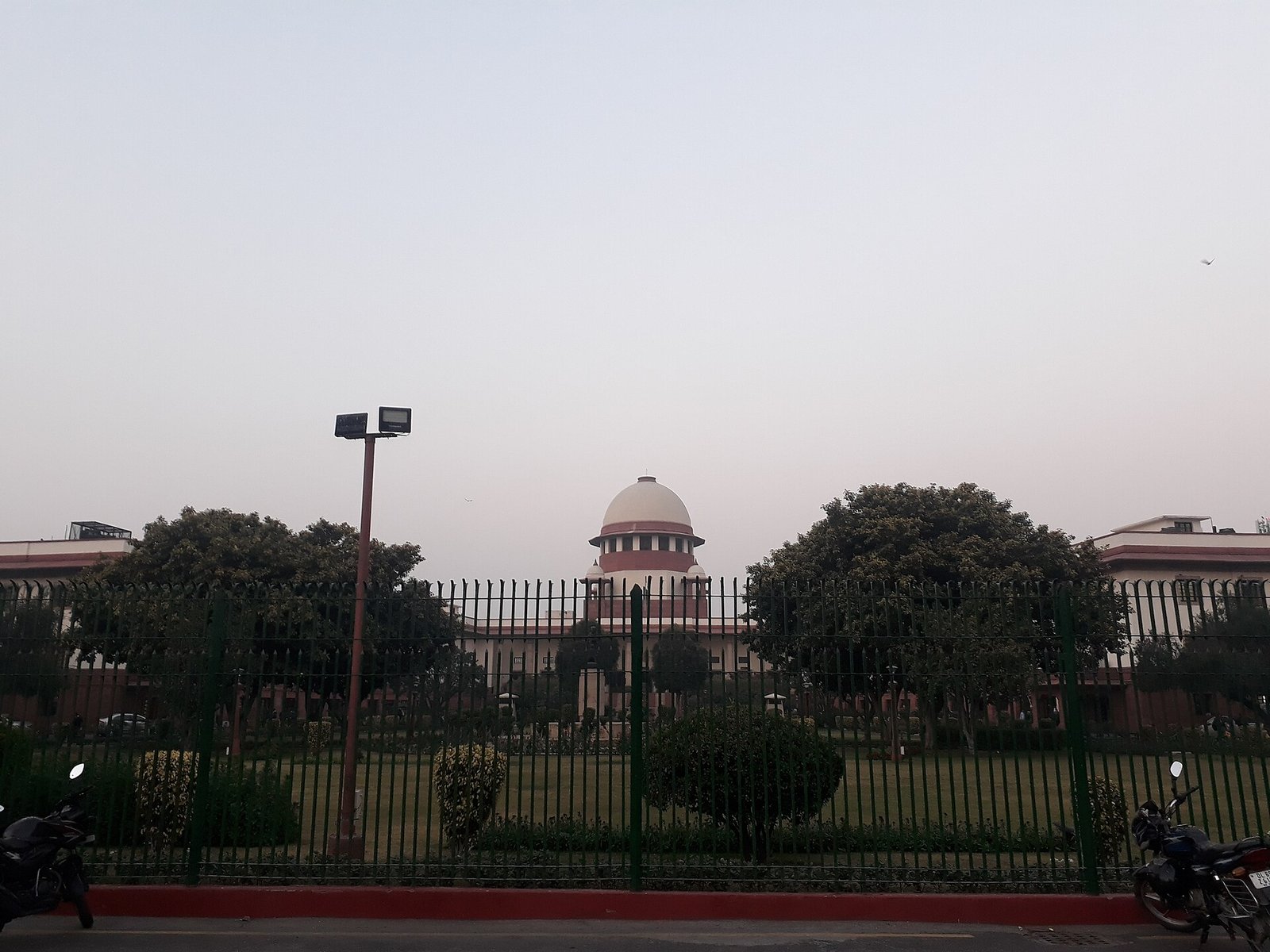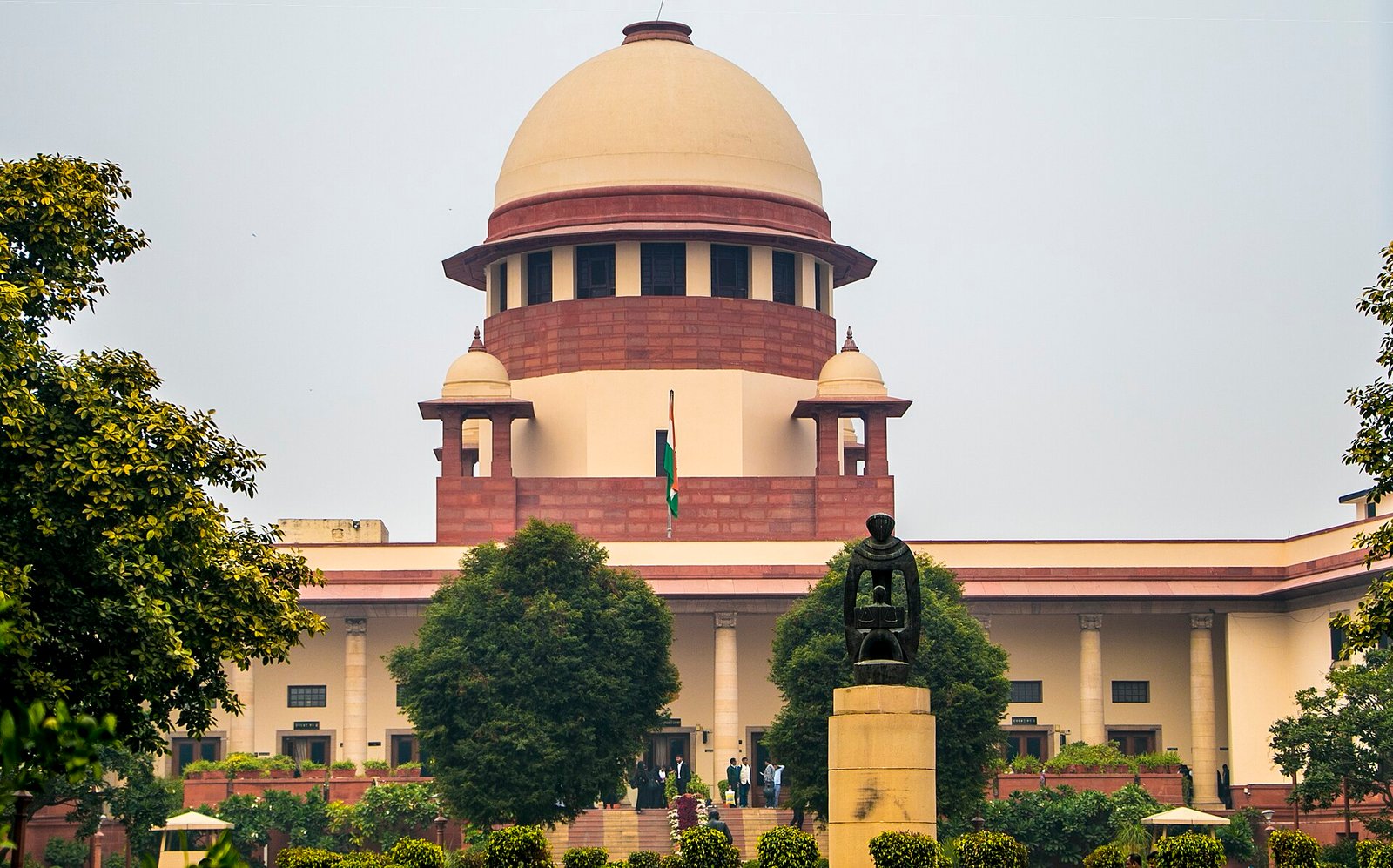
Photo: Subhashish Panigrahi / Wikimedia Commons, CC BY-SA 4.0
The Supreme Court on Sunday, October 11, issued contempt notices to Union Home Secretary Govind Mohan, Delhi Police Commissioner Anurag Kumar and Delhi Metro Rail Corporation (DMRC) chairperson D. Thara, after finding a prima facie case that its order against a complete shutdown of Metro and rail services during Saturday’s protests in the capital had been disobeyed.
A special bench of Justices Joymalya Bagchi and V. Mohana, sitting on a Sunday in what it called an extraordinary hearing, told the three officials to file counter-affidavits along with a compliance report by Tuesday, October 13. Their personal appearance has been excused for now.
What the contempt plea alleges
The petition, filed by advocate Shailendra Mani Tripathi, accuses the authorities of wilfully defying an October 9 order passed by a bench led by Chief Justice of India Surya Kant. That order had taken note of Delhi Police letters asking DMRC to shut 57 Metro stations and of the cancellation of Mail and Express trains arriving at New Delhi and Hazrat Nizamuddin stations. The court called those steps overreaching and said Metro and rail services could be regulated in a proportionate way but not stopped outright.
According to the petition, stations stayed shut and trains were cancelled anyway, which it said crippled public life in the city. A DMRC advisory had announced that 45 stations would be closed from 9 pm on Friday to 6 pm on Saturday.
The government’s defence
Solicitor General Tushar Mehta, appearing for the Centre and Delhi Police, told the bench there had been zero reduction in the total volume of Metro service. He said entry and exit were restricted at 45 of Delhi’s 303 stations, that neighbouring stations stayed open, and that all stations had reopened and internet services had been restored. He also accepted that protesters were removed at 2 pm and released at 6 pm on October 10, but said the legality of that was for the court to decide.
Justice Bagchi asked for that position to be set out on affidavit, including the exact locations of the closed stations. The officials must also state whether they issued the traffic and rail advisories the October 9 order had required.
Yesterday, we were one step away from a Police State.
Senior advocate Shadan Farasat, who said he was detained on October 10
Why it matters and what comes next
The notices mean the country’s senior-most home ministry official and the heads of the Delhi Police and the Metro must answer on affidavit whether the court’s order was followed. The same hearing produced directions against illegal detentions and for normal Metro and internet services, and ordered the removal of a prohibitory-order board outside the court itself.
The protests, called by the Cockroach Janta Party and student groups, demand the resignation of Chief Election Commissioner Gyanesh Kumar over voter deletions during the Special Intensive Revision of electoral rolls. Opposition INDIA bloc parties plan a march in Delhi on Monday, October 12, a day before the officials’ replies are due.