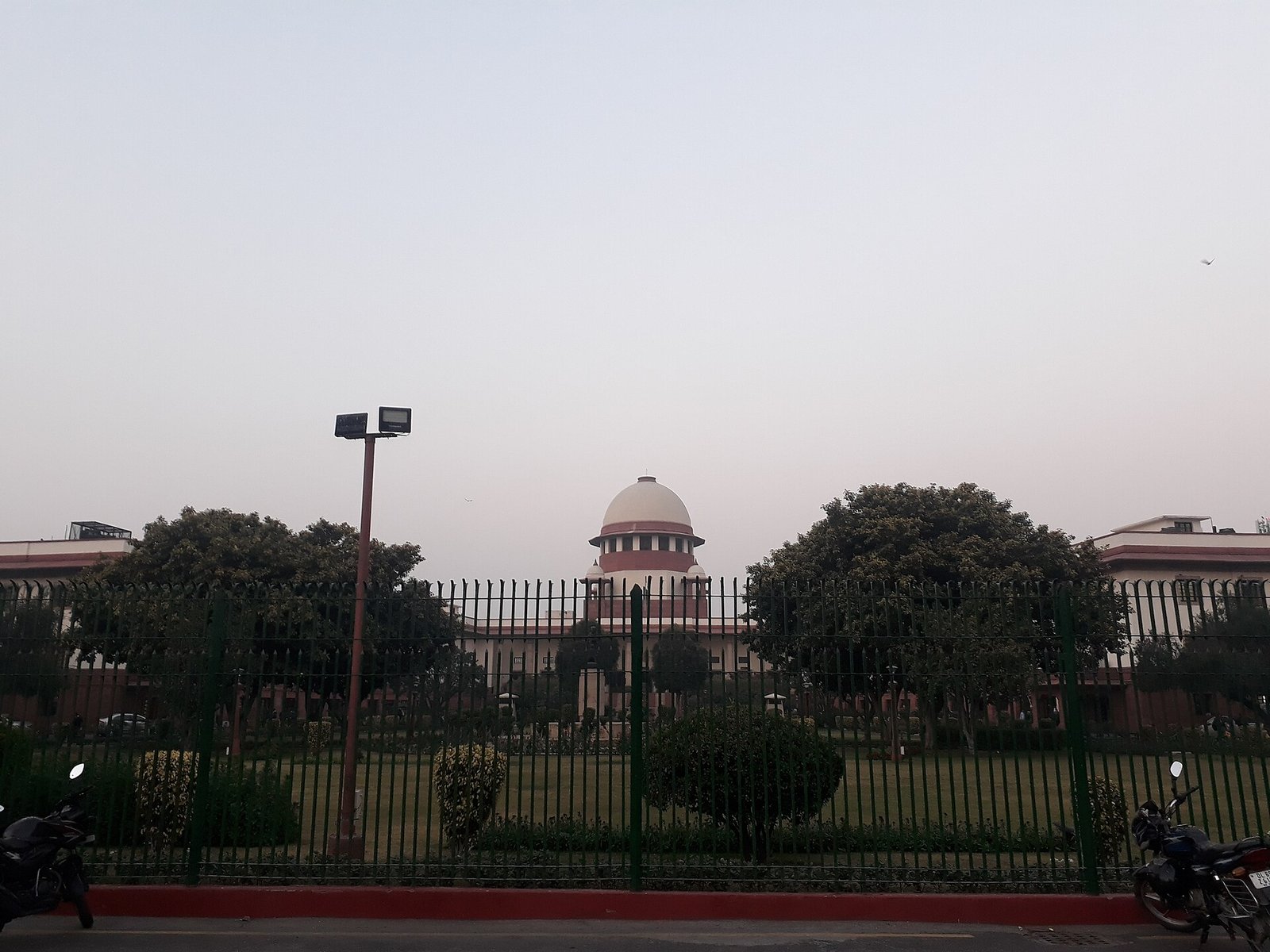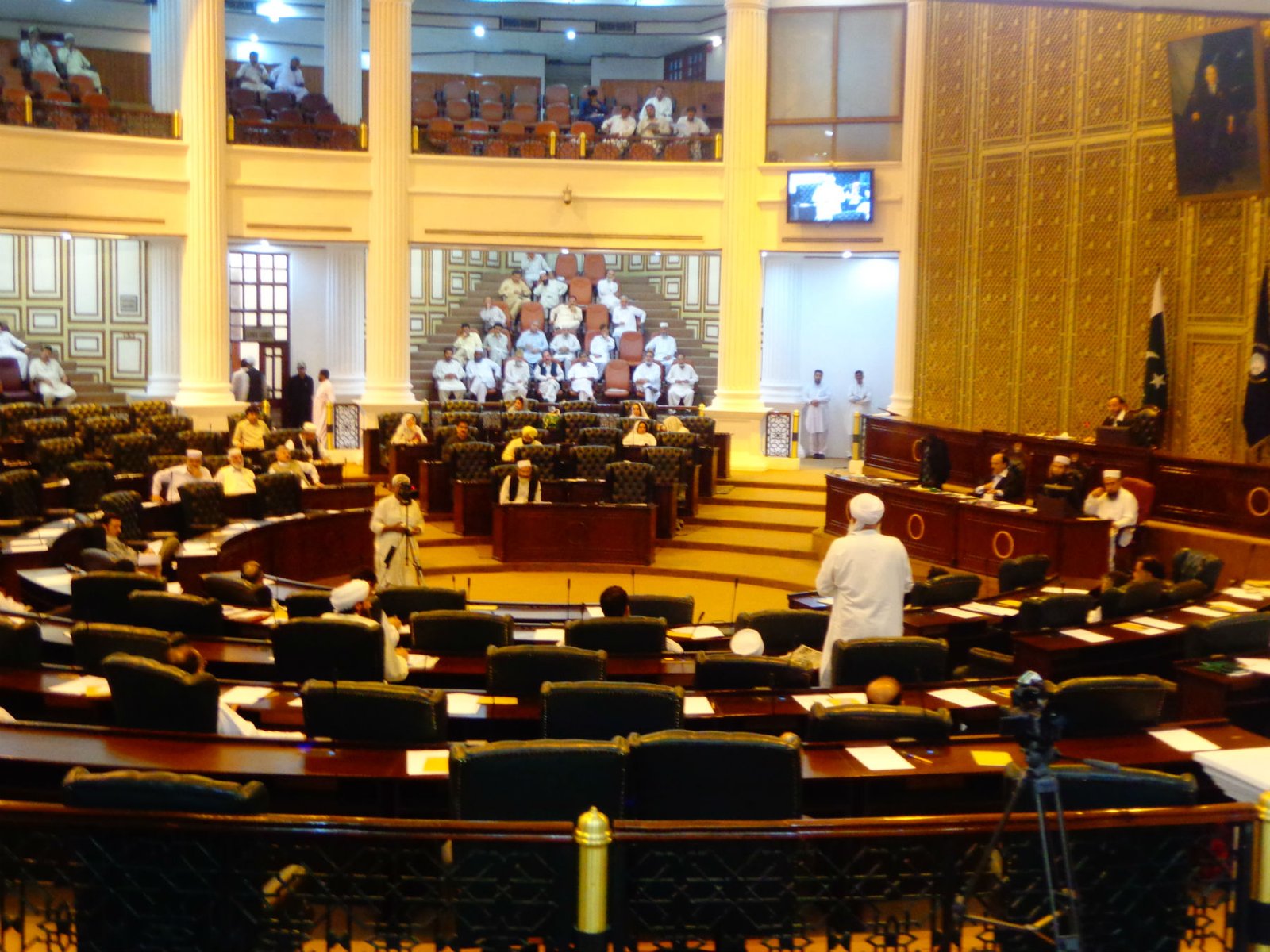
Photo: Voice of America / Wikimedia Commons, public domain
Pakistan on Sunday, October 11, placed its northwestern Khyber Pakhtunkhwa province under an emergency and governor’s rule, removing the provincial government run by jailed former prime minister Imran Khan’s Pakistan Tehreek-e-Insaf (PTI). President Asif Ali Zardari signed the proclamation under Articles 232(1) and 234(1) of the Constitution, and it took effect immediately.
What the proclamation does
Chief Minister Sohail Afridi, his ministers, advisers, special assistants and the advocate general have all ceased to hold office. The federal government can now direct the governor, Faisal Karim Kundi, to take over some or all of the provincial government’s functions, while the powers of the provincial assembly will be exercised by or under the authority of Parliament. Islamabad also appointed Dr Muhammad Fakhr Alam Irfan, until now secretary of the Power Division, as the province’s new chief secretary.
The proclamation pointed to an “extraordinary intensity” of militant attacks on civilians, government buildings, infrastructure and security forces, and to a report by the governor describing a breakdown of constitutional machinery. Material placed before the cabinet said terrorist incidents in the province rose 195% between March 1, 2024, and September 23, 2026, according to Pakistani media reports.
Cabinet’s case
The federal cabinet backed the move at a special meeting chaired by Prime Minister Shehbaz Sharif earlier on Sunday, noting what it called the provincial government’s “deliberate disengagement from the fight against terrorism”. Mr Sharif told ministers the province had received at least PKR 800 billion from the Centre over 10 years for security without results.
It is time to take a decision as we have reached a moment of now or never.
Shehbaz Sharif, Prime Minister of Pakistan
A march, arrests and blackouts
The order came while Mr Afridi was leading a PTI protest march that set out from Lakki Marwat on October 4, demanding Mr Khan’s release, access for his personal doctors, freedom for his sisters and detained supporters, and a medical check-up for his wife Bushra Bibi. Two rounds of talks with the government had failed, and Islamabad had said marchers would not be allowed into the capital, blocking roads with shipping containers.
Hours after the announcement, provincial information minister Shafi Jan said Mr Afridi had been taken into custody. The PTI later said Mr Afridi, assembly Speaker Babar Saleem Swati and provincial party president Junaid Akbar Khan had been “abducted”. Police had not confirmed the detentions. Internet and mobile data were disrupted in parts of Peshawar, and residents protested in Bara Bazaar.
The PTI condemned the decision as undemocratic, saying peace could not be built by weakening provincial autonomy. Mr Khan, 73, has been held in Rawalpindi’s Adiala Jail since 2023 and faces more than 100 cases.
What happens next
Governor’s rule under Article 234 must be approved by a joint sitting of Parliament within two months or it lapses. It can be extended two months at a time, up to a maximum of six months. An emergency over internal disturbance under Article 232 normally needs a resolution of the provincial assembly, and where the President acts on his own, both houses of Parliament must approve it within 10 days.