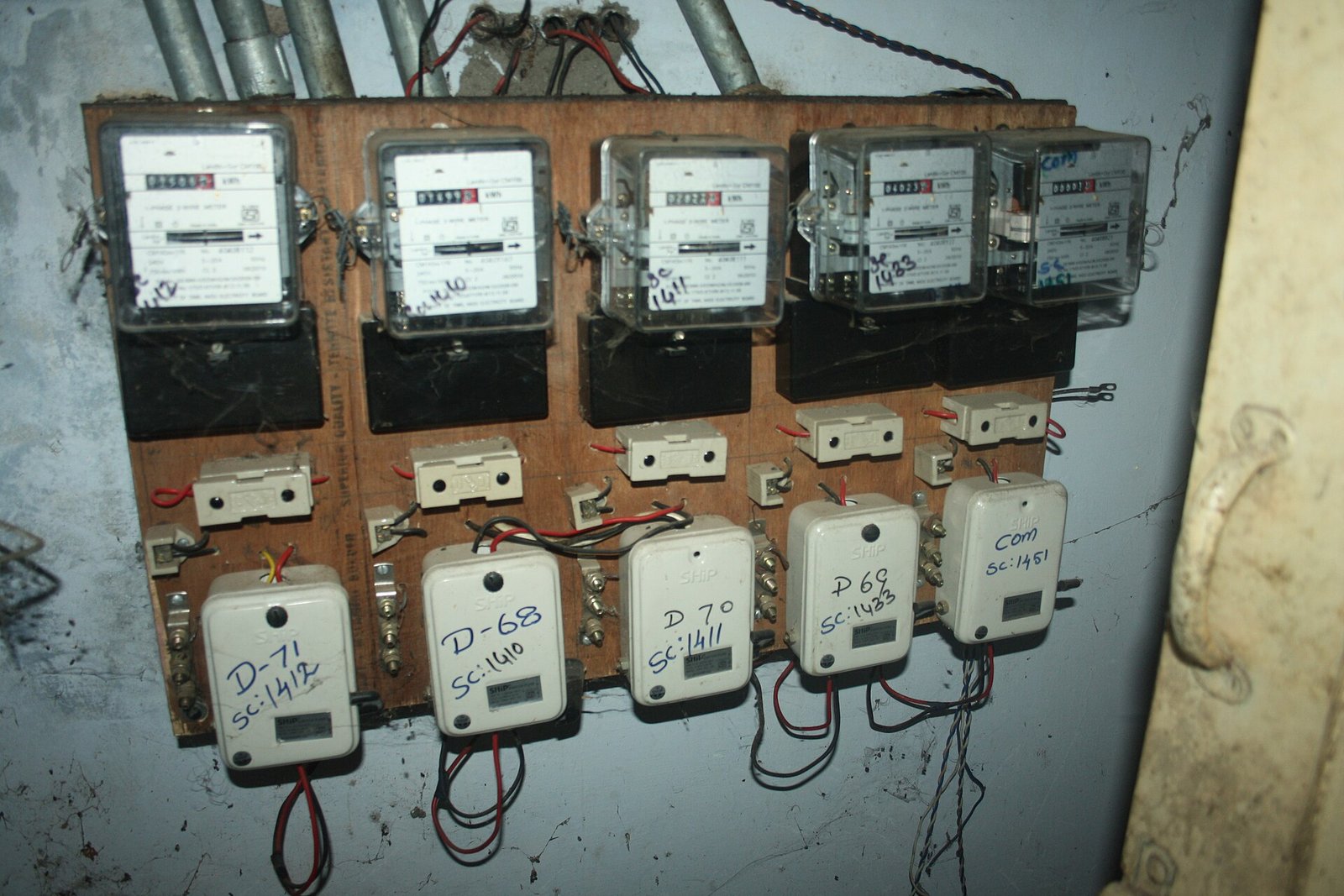
Photo: Balaji Kasirajan / Wikimedia Commons, CC BY-SA 3.0
The Delhi government has made Aadhaar-based identification compulsory for households seeking benefits under its electricity subsidy scheme, according to a Power Department notification published in the Delhi Gazette. The move comes as the number of beneficiaries has climbed and the subsidy bill has risen past ₹4,000 crore.
Under the notification, dated September 30 and issued under Section 7 of the Aadhaar Act, 2016, anyone wanting the subsidy must furnish proof of a valid Aadhaar number on a government web portal or through another mode prescribed by the administration. Consumers who do not yet have an Aadhaar can apply for enrolment and use their 14-digit Enrolment ID to claim the benefit.
Who must comply
The requirement covers the subsidy as administered through BSES Rajdhani Power Limited, BSES Yamuna Power Limited, Tata Power Delhi Distribution Limited, the New Delhi Municipal Council and Military Engineer Services. The Lieutenant Governor of the National Capital Territory of Delhi notified the change. Expenditure on the scheme is met from the Consolidated Fund of Delhi.
Officials have been directed to publicise the new condition widely so that beneficiaries know what is required. The notification does not set a deadline for existing beneficiaries to submit Aadhaar details, nor a separate procedure for those already receiving the subsidy.
How the subsidy works today
Households using up to 200 units of electricity a month currently get power free of cost. Those using between 201 and 400 units are eligible for a 50 per cent subsidy, capped at ₹800 a month. Consumption above 400 units attracts no subsidy.
Official figures cited in reporting show that about 52.3 lakh domestic consumers — nearly 84 per cent of a consumer base of more than 73 lakh — received the subsidy in 2024-25. That share rose to about 87 per cent, or 55 lakh consumers, in 2025-26. In winter months, the number of households on free power can approach 50 lakh, officials told one newspaper.
Rising cost and an opt-in portal
Government spending on the electricity subsidy reached about ₹4,037 crore in 2025-26, up from ₹1,442 crore in 2015-16. The administration has earmarked ₹3,500 crore for the scheme in the current financial year, 2026-27. Delhi’s power consumer base has grown by nearly 40 per cent over the past decade.
Officials said a dedicated online portal is being prepared so consumers can log in with their consumer numbers, register and verify Aadhaar. Until the opt-in system is formally launched — rules are expected to be announced around November — the subsidy will continue as it does now. After the portal goes live, only those who provide Aadhaar details are expected to keep receiving the benefit.
An official said the change is also meant to let households that can afford full bills opt out, and to verify dormant connections. In 2022 the then Aam Aadmi Party government briefly ran an opt-in system that was later discontinued; eligible domestic consumers currently get the subsidy by default.
Why it matters
In August the government tabled a Comptroller and Auditor General report in the Delhi Assembly on lapses in the scheme under the previous AAP administration. That report noted the cost rose from about ₹2,406 crore in 2019-20 to ₹3,161 crore in 2022-23.
Linking the benefit to Aadhaar is intended to tighten identity checks and improve targeting, the Power Department said. For millions of Delhi households that rely on free or discounted power, the practical next step is the portal launch and clear guidance on when existing beneficiaries must enrol.