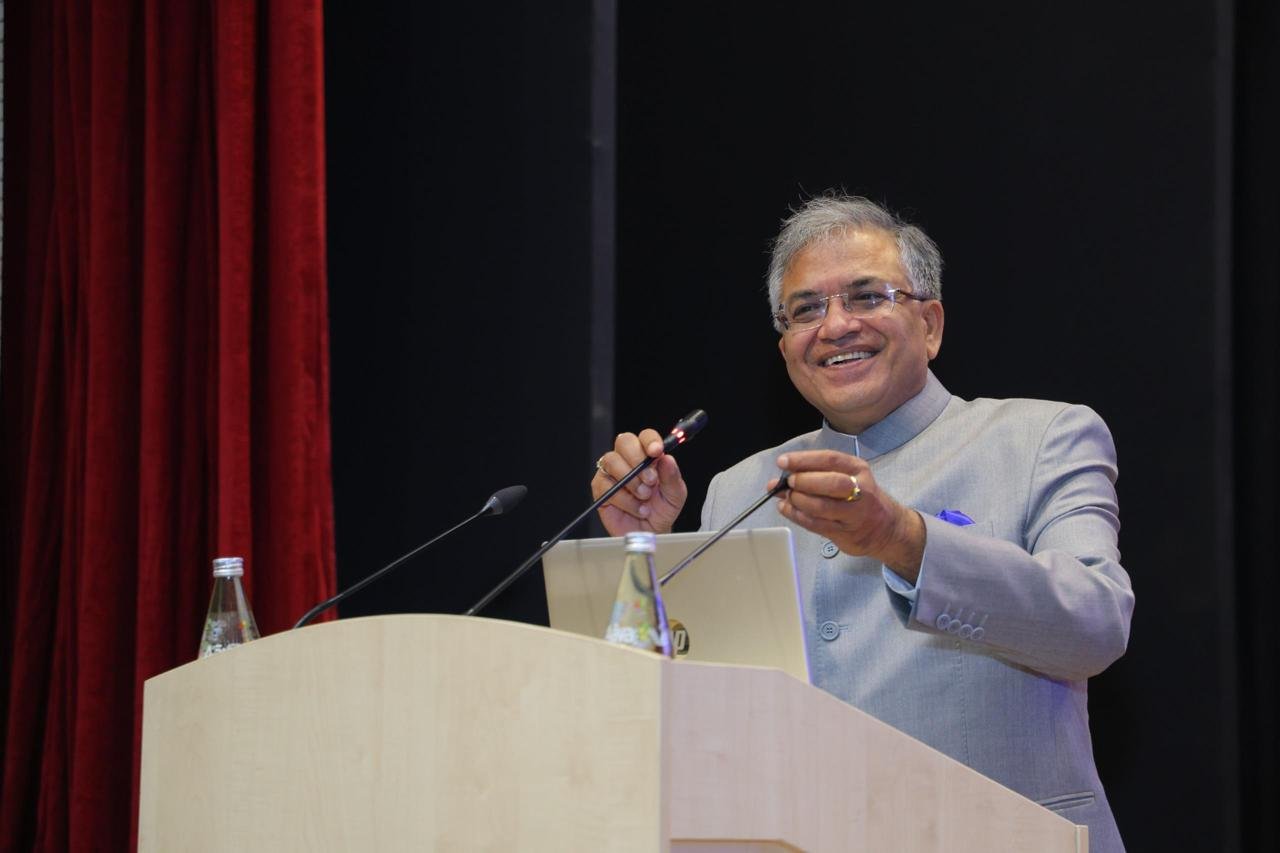
The Union Cabinet on Wednesday, November 4, approved a major revision of the Agnipath recruitment scheme, offering Agniveers who are not picked for regular service after four years an extra two-year engagement and, after that, a chance to be enrolled as regular soldiers. Chief of Defence Staff General N.S. Raja Subramani announced the decision at a briefing in New Delhi.
What changes
Under the original design of the scheme, a quarter of each batch was to be absorbed into the armed forces on merit at the end of four years, while the remaining 75% were to return to civilian life. That 25% merit-based absorption stays. What is new is that the other three-quarters will be offered an additional two years of service, taking their total tenure to six years.
At the end of those six years, every Agniveer who wishes to stay on can be enrolled in the forces, provided they clear what the government described as objective selection criteria. Operational skills and discipline are expected to be central to that assessment. However, those who are still not retained after six years will not get any reservation in government jobs, according to the announcement.
- Pay in the fifth year: ₹43,500 a month
- Pay in the sixth year: ₹47,500 a month
- Those absorbed after four years will rank senior to those enrolled after six
Why it matters now
The timing is significant. The first Agniveers recruited in 2022 were set to be released from the Army, Navy and Air Force in phases from the middle of November. Around three lakh Agniveers are currently serving across the three services, so the decision affects a very large group of young soldiers and their families.
The CDS said the scheme had never been treated as final and that the forces had been assessing the recruits’ performance throughout. The government said that assessment over the last four years had produced positive feedback, and that keeping trained personnel longer would give the services more continuity and experience while keeping the force young.
It is not merely a recruitment policy; it is a way forward to prepare India’s military for the changing character of warfare.
Rajnath Singh, Defence Minister
Opposition calls it a U-turn
The Congress, which has opposed the scheme since it was launched, called the change a U-turn and linked it to upcoming Assembly elections in Uttar Pradesh, Punjab and Uttarakhand, states that send large numbers of young people into the forces. Party MP Pawan Khera asked what would happen to recruits who are still not selected after the extended period, and whether they would again be left without jobs.
Background and what comes next
The Agnipath scheme was introduced in June 2022 to recruit youth aged between 17.5 and 23 years into the three services on short-term contracts, and it set off protests in several states at the time. Criticism has since centred on the short service period and the job prospects of recruits after they leave. Details of how the second tour will be offered to each batch, and how the final selection will be conducted, are expected to be worked out by the services ahead of the first exits.