Photo: Bernard Gagnon / Wikimedia Commons, CC BY-SA 4.0
Eritrea on Saturday asked the United Nations Security Council to take “deterrent measures” against Ethiopia, accusing its larger neighbour of declaring war over the Tigray region. The appeal came a day after Ethiopia told the same Council that Eritrean forces had launched an “all-out invasion” and advanced as far as 60 kilometres into Tigray.
Dueling letters to the Security Council
In a letter sent on Saturday, Eritrean Foreign Minister Osman Saleh dismissed the reports of an Eritrean incursion as part of an Ethiopian plan to justify a war of aggression. He urged the Council to act under Chapter VII of the UN Charter, the section that allows anything from sanctions to the use of force, and to condemn what he called Ethiopia’s declaration of war.
Eritrea requests the UN Security Council to forcefully condemn Ethiopia’s deplorable declaration of war against Eritrea … and take the requisite deterrent measures.
Osman Saleh, Eritrean Foreign Minister, in his letter to the Council
Saleh warned that Ethiopia’s course would bring “huge devastation” to the people of both countries and destabilise the wider region.
Ethiopia’s Foreign Minister Gedion Timothewos had written to the Council on Friday describing Eritrea’s moves as “a blatant act of aggression” and invoking his country’s right to self-defence under Article 51 of the Charter. He did not say what steps Ethiopia was taking in response.
Eritrea’s Information Minister Yemane Gebremeskel, writing on X, accused Ethiopia of pursuing aggression through its demand for sovereign access to the Red Sea. He neither confirmed nor denied the reported troop crossings.
What is happening on the ground
The crisis began last month when an alliance of seven armed groups attacked federal Ethiopian forces in northern Ethiopia in a bid to topple Prime Minister Abiy Ahmed’s government. Addis Ababa accuses Asmara of backing the rebel Tigray People’s Liberation Front (TPLF). This week the Ethiopian army said it had pushed the rebels back, taken the regional capital Mekelle and carried out drone strikes on Eritrean troops inside Tigray.
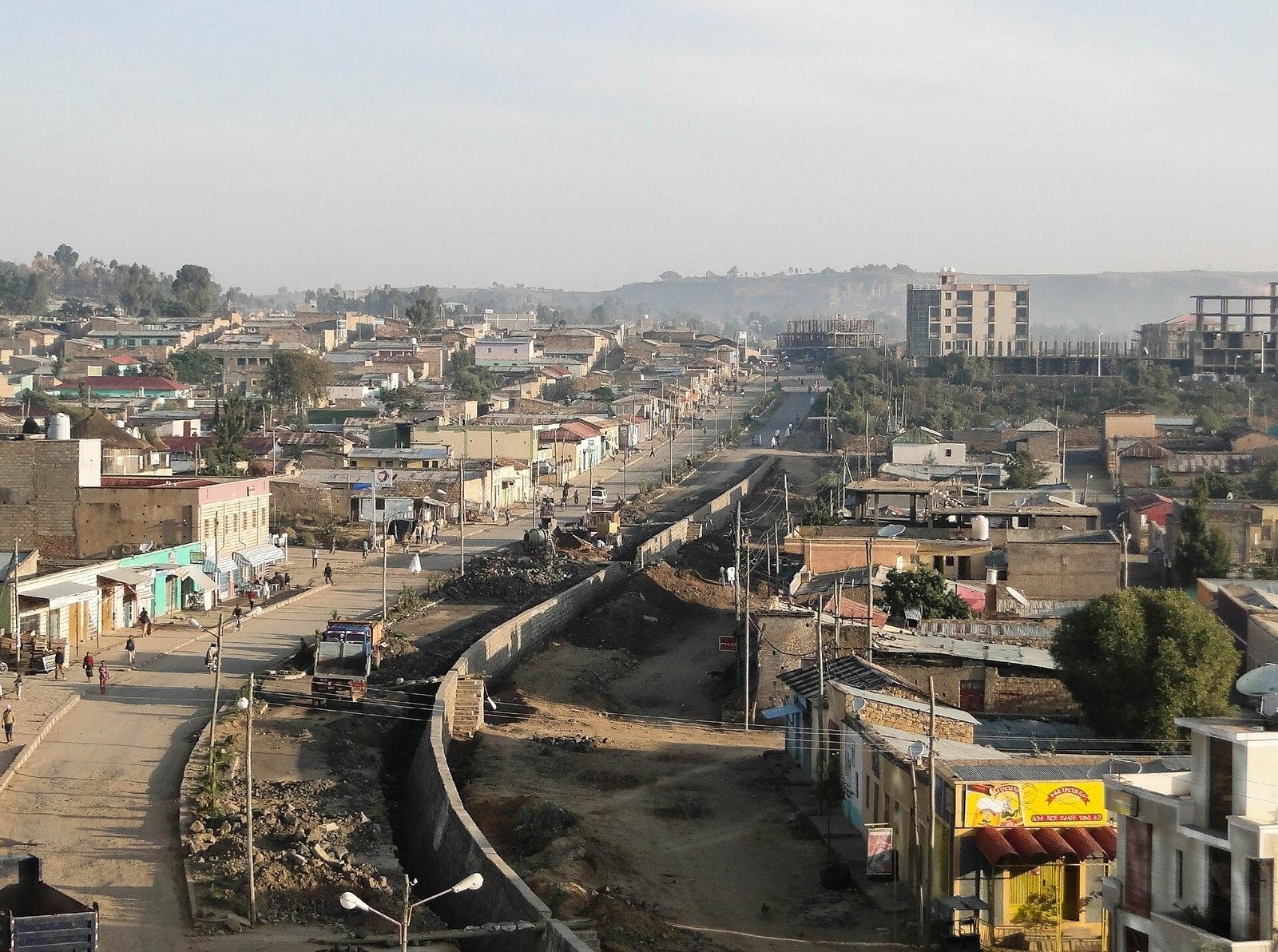
In Adigrat, a Tigrayan town close to the Eritrean border, crowds were seen celebrating on Saturday after the reported withdrawal of Eritrean forces, with pro-government troops on the streets. Eritrea continues to deny that its soldiers entered Tigray at all.
Why it matters
The two countries fought a deadly border war between 1998 and 2000, five years after Eritrea won independence from Ethiopia. Ties warmed after Abiy took office in 2018, and Eritrean troops fought alongside Ethiopian government forces against the TPLF in the devastating 2020-2022 war. Relations have soured since, largely over Abiy’s repeated insistence, most recently on Monday, that landlocked Ethiopia must have access to the sea. Eritrea reads that as a threat to seize its port of Assab.
Faisal Roble, a Horn of Africa specialist based in Nairobi, said both sides appear to be preparing for the final phase of an open conflict, and described the letters to the UN as posturing to win international backing.
What comes next
The Security Council has not yet said whether it will take up the rival complaints. Any action under Chapter VII would need the backing of its permanent members. Egypt, Sudan and Somalia share Eritrea’s concerns about Ethiopia’s Red Sea ambitions, although that does not necessarily mean they would intervene directly if the fighting widens.