Photo: Nick-D / Wikimedia Commons, CC BY-SA 4.0
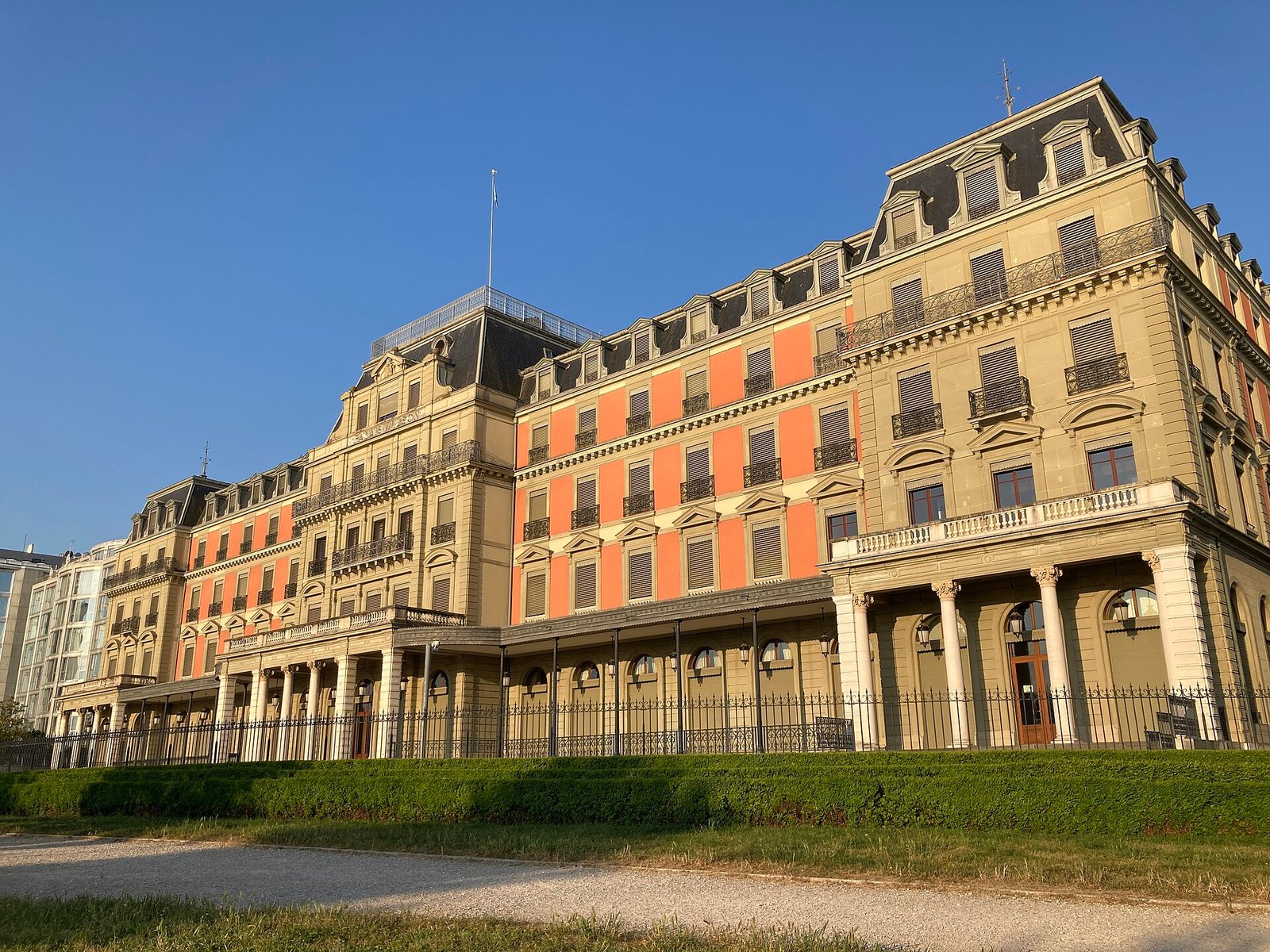
India on Saturday night rejected the UN Human Rights Office’s criticism of mass detentions during the Delhi protests against Chief Election Commissioner Gyanesh Kumar, calling the concerns “misplaced” and an “unwarranted interference” in the country’s internal affairs. The response came from India’s Permanent Mission to the UN in Geneva, a few hours after the UN body issued its statement.
What the UN body said
Thameen Al-Kheetan, spokesperson for the Office of the UN High Commissioner for Human Rights (OHCHR), said the office was concerned by reports that demonstrators, protest leaders, members of civil society groups, lawyers and journalists had been detained before and during Saturday’s large demonstrations in Delhi. He said any limits on peaceful protest must meet the tests of necessity and proportionality, and that everyone held arbitrarily should be released immediately and unconditionally.
He also asked the authorities to make sure police show the utmost restraint towards peaceful protesters, and urged the government to engage in meaningful dialogue on the concerns being raised. While UN experts often comment on events around the world, such a direct call to a government is considered unusual.
India’s reply
In its statement posted on X, the Geneva mission described India as the world’s largest democracy, where the right to peaceful assembly is guaranteed by the Constitution and protected by strong institutions, an independent judiciary and a free media.
As in every democracy, Indian citizens exercise this right subject to reasonable restrictions in the interest of public order. The authorities, for their part, act in accordance with the law, and our courts remain available to all for redressal of any grievances.
Permanent Mission of India to the UN, Geneva
The mission went further, suggesting the OHCHR should give “comparable attention” to large protests in other countries if it wants to stay true to its mandate of impartiality and non-selectivity.
How the protests reached this point
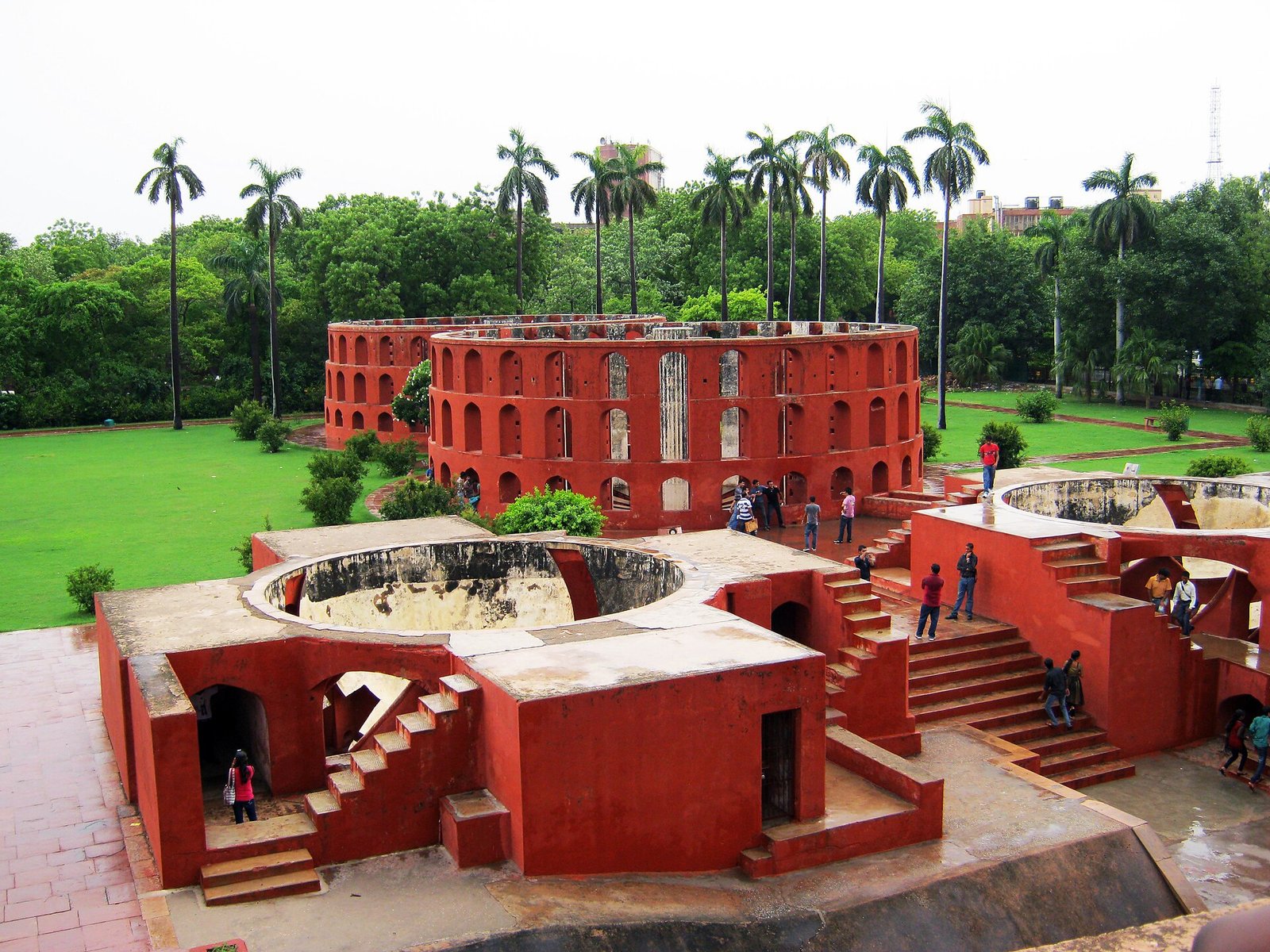
The demonstrations were called by the Cockroach Janta Party (CJP) and other groups, who are demanding the CEC’s resignation over alleged irregularities in the Special Intensive Revision (SIR) of electoral rolls. Delhi Police refused permission for the October 10 rally at Jantar Mantar, citing short notice, alleged violations at earlier protests and concerns about safety, traffic and law and order. Central Delhi was barricaded, internet services were suspended in parts of the city and trains to the capital were cancelled, prompting the Supreme Court to step in over the curbs on public transport.
Thousands of people were detained during the day. By Saturday night, about 7,000 protesters had been released, along with Mamata Banerjee and Arvind Kejriwal, while CJP leaders remained in custody, according to reports.
What happens next
The CJP has called another march to Jantar Mantar for 10 am on Sunday, and Delhi Police have said security arrangements will match Saturday’s. A special Bench of the Supreme Court is also due to sit on Sunday to hear petitions challenging the detentions and the transport shutdown, which will put the government’s position, that the courts are open to anyone with a grievance, to an immediate test.