Photo: Jan Kranendonk ( https://www.jankranendonk.nl ) / Wikimedia Commons, CC BY-SA 4.0
No political party, NGO or civil society group can occupy a protest site for an unlimited period, the Supreme Court said on Tuesday, as it heard a plea by Delhi traders who say weeks of agitation in the heart of the capital have cost them heavily. The same bench also agreed to examine how far a protester’s right to privacy extends when police use CCTV cameras and facial recognition tools to identify people in a crowd.
Two fundamental rights in conflict
The bench of Chief Justice Surya Kant and Justices Joymalya Bagchi and V. Mohana framed the dispute as a clash between two constitutional rights: free speech and dissent on one side, and the right to earn a living on the other. Senior advocate Mukul Rohatgi, appearing for the traders, urged the court to bar parties and groups from holding protests in Delhi for the next two months so that shops could reopen and workers could be paid.
The Chief Justice said the court was thinking of the daily wagers, hawkers and vegetable sellers whose income depends on the area staying open. He said a designated site should be identified where people could protest without hurting such livelihoods, and that each group should be given a fixed period there.
One set of protesters cannot occupy a designated protest site for all times to come.
Chief Justice Surya Kant
Senior advocates including Menaka Guruswamy and Arundhati Katju argued that protest is part of the right to dissent in a democracy. The court issued notices to the Centre, the Delhi government and Delhi Police, and asked the traders to add the organisers of the protests as parties, so that any compensation, if awarded, could be fixed and shared out. Solicitor General Tushar Mehta said those who call bandhs and agitations should bear responsibility for losses caused to others.
Cameras, facial recognition and privacy
Advocate Prashant Bhushan told the court that the use of facial recognition and CCTV footage by Delhi Police, and what happens to that data, needed scrutiny so that young protesters were not harassed. Justice Bagchi observed that camera surveillance alone may not breach privacy, but feeding the footage into a system that identifies a person and traces their history could. The Solicitor General replied that a person who chooses to protest in a public place cannot then claim privacy, and said the cameras were installed for protesters’ safety. The bench noted that police had said they matched identities against the NCRB criminal database, and asked whether that served a legitimate state interest.
Police defend dropping Jantar Mantar
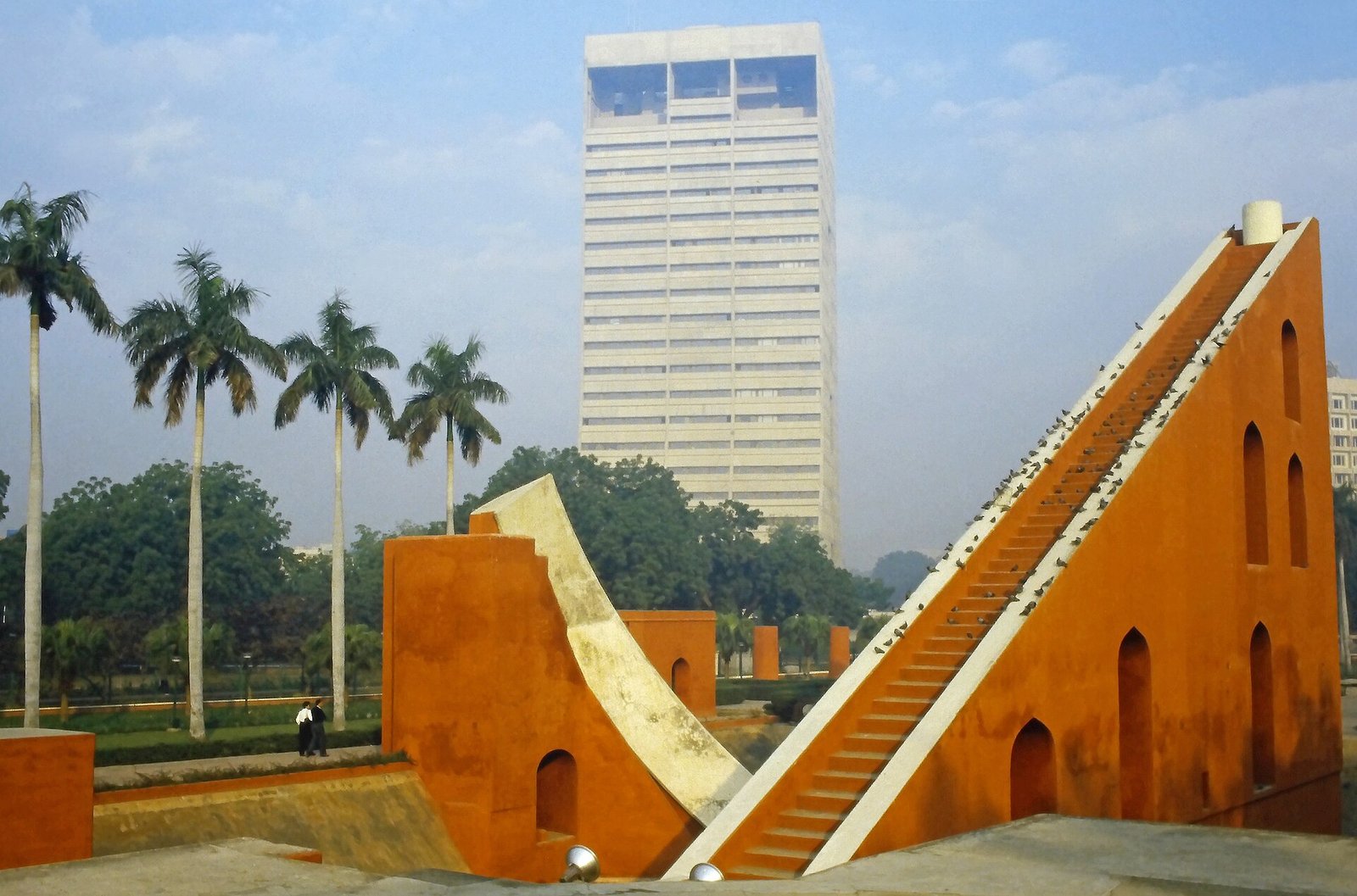
In a counter affidavit, Delhi Police Commissioner Anurag Kumar defended the decision to denotify Jantar Mantar as a protest venue, calling it essentially a public road that should never have been designated. He said the stretch sees more than 1,300 protests a year, that crowds often block emergency vehicles, and that a Home Ministry committee set up on August 26 had unanimously recommended the change before the court’s October 9 order. Three alternative sites have since been notified, the affidavit said.
Why it matters and what comes next
The hearing comes amid months of demonstrations in Delhi against Chief Election Commissioner Gyanesh Kumar over the special intensive revision of voter rolls, which have led to mass detentions, transit shutdowns and repeated closures of markets. The court’s eventual ruling could set national rules on how long protests may last, who pays for losses they cause, and how police may use surveillance technology on crowds. The court has sought replies from the Centre and the Delhi authorities before it rules.