Photo: Ramesh Lalwani / Wikimedia Commons, CC BY 2.0
Delhi Police detained more than 5,000 people across the national capital on Saturday as protesters tried to gather to demand the resignation of Chief Election Commissioner Gyanesh Kumar. Opposition leaders, student activists, lawyers and two former chief ministers were among those taken into custody.
According to a senior police officer, around 1,500 of those detained were picked up in the New Delhi area. They were moved to temporary detention centres across the city and released before sunset. About 14,000 police personnel, including 4,000 women officers, were on duty, the officer said.
How the day unfolded
Police had refused permission for the Cockroach Janta Party (CJP) to hold its planned demonstration at Jantar Mantar, and prohibitory orders under Section 163 of the Bharatiya Nagarik Suraksha Sanhita banned unauthorised gatherings across the New Delhi district.
CJP founder members Abhijeet Dipke, Saurav Das and Ashutosh Ranka were detained inside an Air India aircraft soon after it landed in Delhi from Mumbai. YouTuber Dhruv Rathee was taken from his home in Gurugram, and AISA national president Neha Bora was detained after she was stopped from marching towards Jantar Mantar. Air India has since written to the aviation security regulator, BCAS, asking for clarity on the rules that allowed police to board the plane.
Former Keralam chief minister Pinarayi Vijayan was picked up at Kerala House, a short walk from Jantar Mantar, along with senior CPI(M) leaders. Former West Bengal chief minister Mamata Banerjee was detained with several Trinamool Congress MPs while sitting on a dharna at the South Avenue bus stand. AAP convenor Arvind Kejriwal was also among those held. Describing her detention, Banerjee said: “It is the first time in my political career that I have sat in a prison van.”
Why it matters
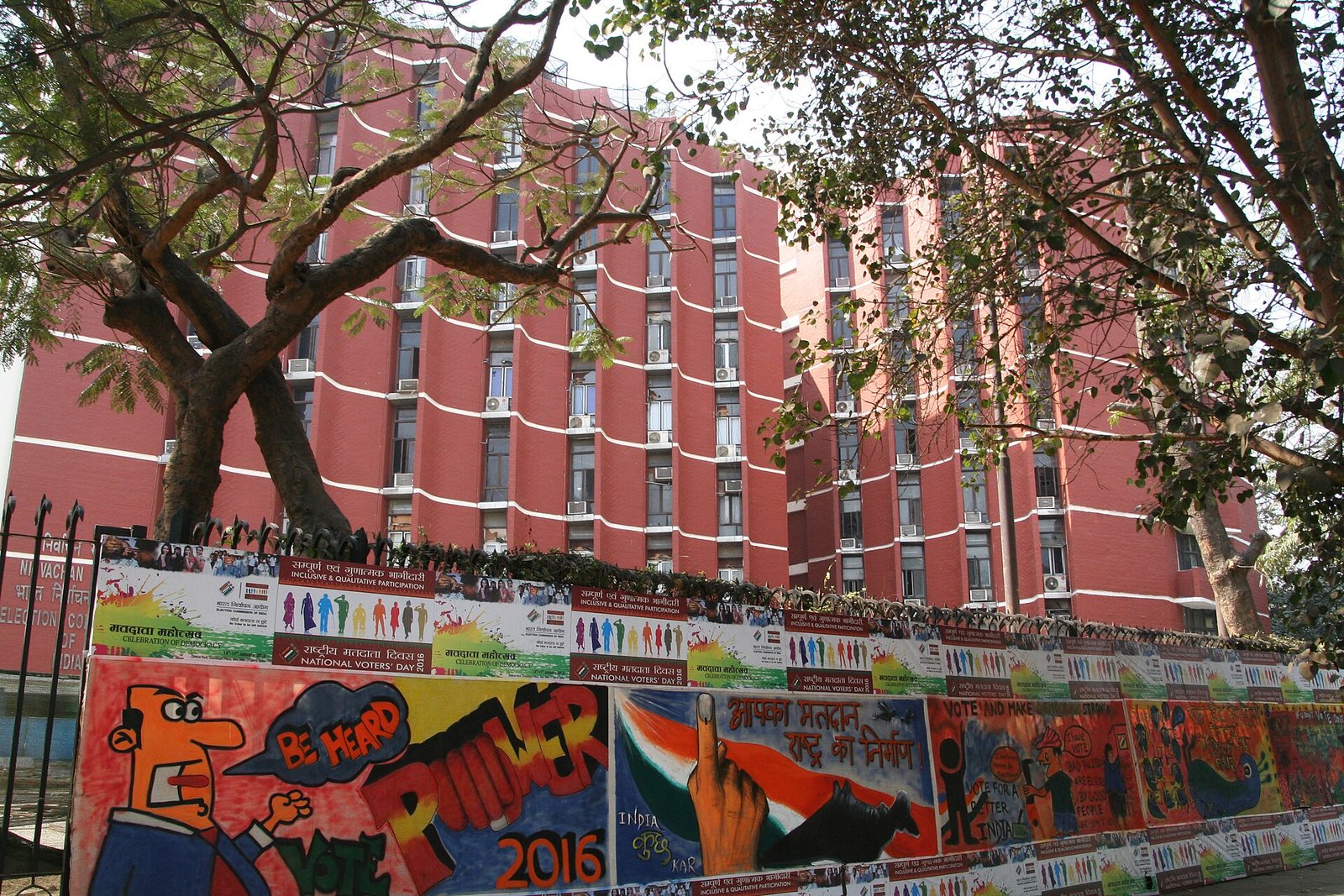
The protest is aimed at the Election Commission, with demonstrators alleging irregularities in the poll body’s functioning. The BJP has defended both the police action and the commission’s Special Intensive Revision (SIR) of electoral rolls, and accused the protesters of trying to create unrest.
The scale of the crackdown has also drawn international attention. The UN human rights office said it was concerned by reports of mass detentions of demonstrators, civil society members, lawyers and journalists, and urged the authorities to exercise restraint and engage in dialogue.
What happens next
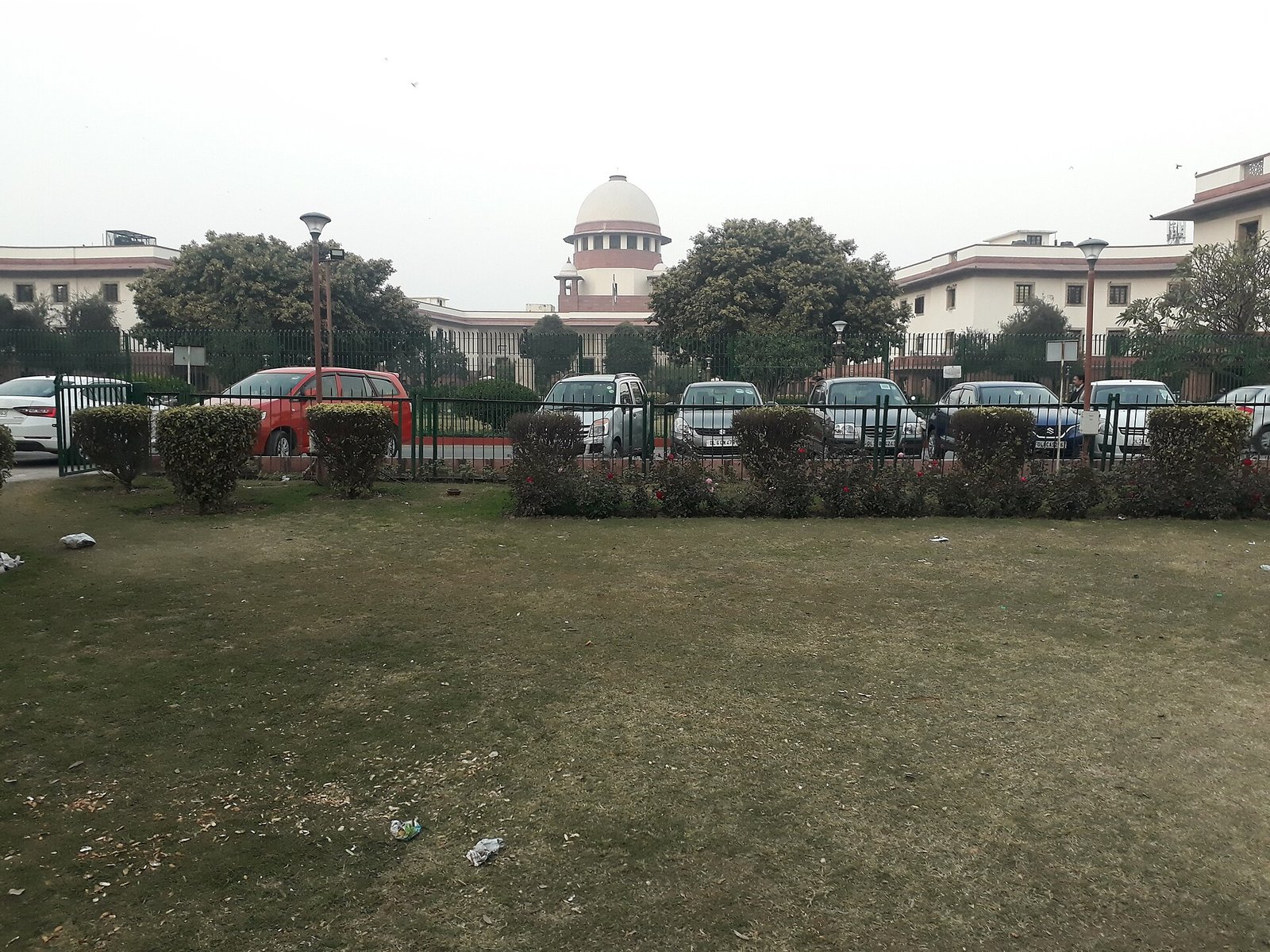
The Supreme Court will hold a special sitting on Sunday, October 11. A bench of Justices Joymalya Bagchi and V. Mohana will hear a contempt plea alleging that authorities ignored the court’s October 9 directions on public transport, along with a petition by TMC MP Menaka Guruswamy challenging the detention of Opposition leaders.
On Friday, the court had said that security agencies could regulate Metro and rail services but could not shut them down completely. The Delhi Metro then cut the number of stations slated for closure from 57 to 45. Police said heavy deployment will continue in the capital, and Banerjee said she would stay in Delhi to march with INDIA bloc leaders.