Photo: Gunnar Klack / Wikimedia Commons, CC BY-SA 4.0
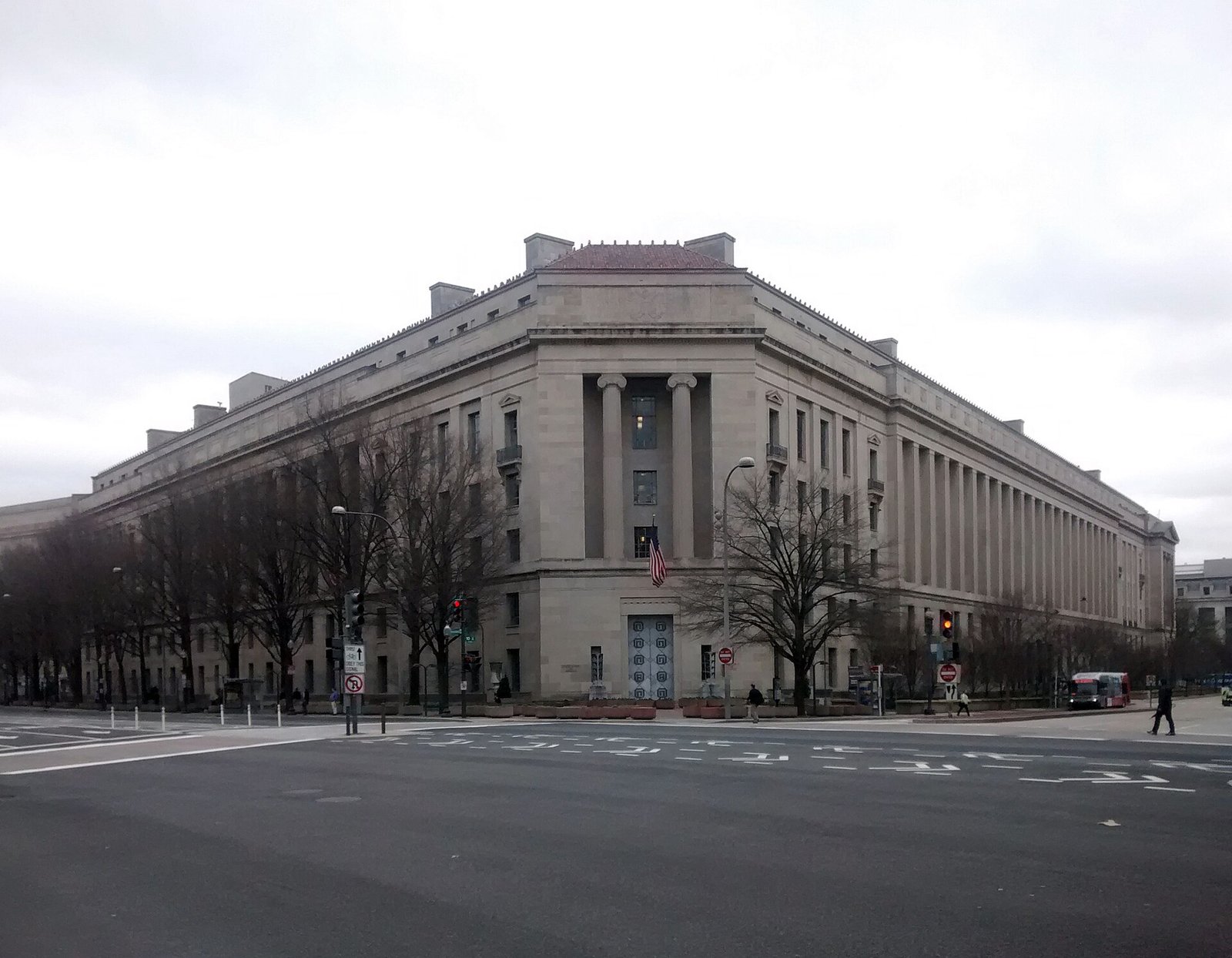
The US Justice Department has opened an antitrust investigation into five of America’s biggest television news networks, ABC, CBS, CNN, NBC and Fox News, over their decision last month to briefly stop providing shared coverage of President Donald Trump. The department confirmed the probe on Saturday, a day after its officials contacted the networks and asked for documents and communications about the White House television pool.
What the department is examining
The question for investigators is whether the networks’ joint decision to halt pooled coverage amounted to an illegal “group boycott” under the Sherman Act, the main US law against anti-competitive conduct between rival businesses.
Group boycotts among commercial competitors can violate the Sherman Act. The Antitrust Division is simply investigating to determine whether these news organisations have violated the antitrust laws.
Emily Covington, Justice Department spokesperson
The networks had not publicly responded to the investigation as of Saturday. An investigation is not a finding of wrongdoing, and no charges or penalties have been announced.
How the pool works
The television pool is a long-standing cooperative arrangement among the five networks. They take turns covering the president’s events, split the production costs and share the footage with broadcasters across the country. The networks have coordinated the pool this way for decades without any earlier legal challenge to the system.
How the dispute began
The row started after Mr Trump accused several outlets of publishing what he called “fiction or lies” about his team. On September 18, the White House barred journalists from CNN, Politico and MS Now from its grounds. In protest, the five pool networks stopped providing shared coverage for several days before resuming it.
CNN, Politico and MS Now then sued the administration, arguing that revoking their credentials without notice or process violated their First Amendment rights. A federal judge temporarily blocked the ban and their access was restored, though the outlets have not had the same level of access as before. The judge’s temporary order is due to expire on Tuesday.
The White House has meanwhile started its own YouTube channel to stream the president’s events directly to viewers.
Why it matters and what comes next
The probe opens a new legal front in the administration’s long-running fight with major news organisations, and it targets an arrangement that networks have relied on for decades to cover the presidency. In separate cases, the administration has previously subpoenaed reporters from The New York Times and seized a laptop belonging to a Washington Post journalist.
The networks will now have to decide how to answer the department’s demand for internal communications, while the court fight over the three barred outlets’ access returns to the spotlight when the temporary order runs out next week.