Photo: US Department of Labor / Wikimedia Commons, CC BY 2.0
A senior Trump administration official has defended Washington’s decision to bar eight technology companies, including India’s Infosys, Tata Consultancy Services, Wipro and HCL Technologies, from a key route to employer-sponsored green cards, accusing the industry of using the H-1B visa to replace American workers. Indian IT firms, for their part, say the suspension will make little difference to their business because they now file very few such applications.
What the US has done
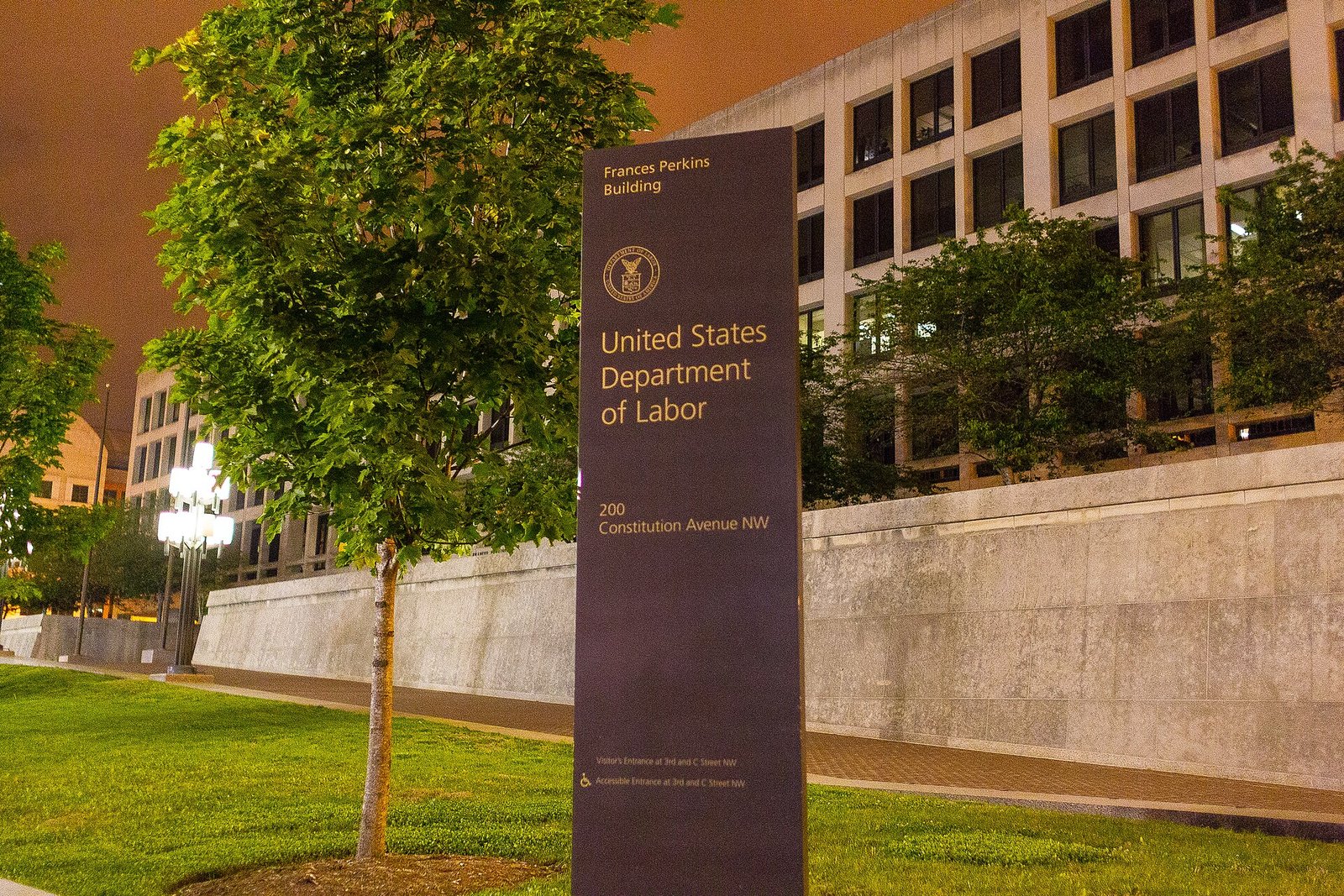
On October 8, Vice President JD Vance and Labor Secretary Keith Sonderling announced that Microsoft, Adobe, Cognizant, Capgemini, Infosys, TCS, Wipro and HCL Technologies were being suspended from the Permanent Labor Certification (PERM) programme. PERM is the Labor Department certification that employers generally need before sponsoring a foreign worker for certain employment-based green cards. The suspension covers the companies’ new and pending PERM applications; it is separate from the H-1B work visa itself and is not a blanket ban on their H-1B workers.
Labor Department Inspector General Anthony D’Esposito, in a video shared on X, said employers were meant to use foreign hires only as a stopgap until they found qualified Americans.
They are using the H-1B as a business model, and that’s wrong. They’re taking American jobs away from American workers.
Anthony D’Esposito, US Labor Department Inspector General
He said there were “plenty of people graduating schools and universities looking for a job” and linked the move to the administration’s wider immigration crackdown, saying Mr Trump had “secured the front door” of the country and officials were now working to “secure the back door”.
Indian companies play down the impact
Infosys said in a stock exchange filing on Saturday that it does not expect a material impact from the suspension. The company said it had invested in a strong local workforce and technology hubs in the US and welcomed the chance to answer any questions from the Labor Department and other agencies. TCS said its PERM applications had been in single digits over the last two years, so it did not expect any effect on its workforce strategy or client work.
Filing data cited in reports back this up. TCS filed just two PERM applications in the US financial year 2026, down from 513 in 2025 and 1,804 in 2024. HCL filed 59 this year against 323 last year, while Infosys filed 87 in 2024. Industry body NASSCOM said Indian tech firms have steadily cut their reliance on H-1B visas and expanded local hiring in the US, so relatively few employees move from H-1B status to permanent residency through PERM.
Why it matters
Even if the companies’ operations are not hit, the move adds uncertainty for Indian professionals hoping to settle in the US through employer sponsorship. Karnataka IT Minister Priyank Kharge said it makes prospects for future applicants uncertain and could raise costs and attrition for Indian firms, though he argued that if India sends the right signals, “investments will come to the talent rather than talent having to move to where investments are.”
What happens next
Mr Vance has said the action stems from an ongoing investigation. Infosys has said it is ready to answer the Labor Department’s questions and will make further disclosures if regulations require them, while the suspension of new and pending applications stays in place.