Photo: NASA / Wikimedia Commons, public domain
A US fighter jet fired a precision munition at the stern of a commercial cargo ship in the Gulf of Oman on Saturday, knocking out its engines after the crew ignored repeated warnings and tried to break the American naval blockade of Iran, US Central Command (CENTCOM) said. The vessel, the Panama-flagged M/V Ocean Molica, also known as the Arika Sun, had earlier left an Iranian port, according to the command.
What CENTCOM says happened
CENTCOM said the strike fully disabled the ship’s propulsion without harming the crew. The UK Maritime Trade Operations agency, which tracks incidents at sea in the region, said on Sunday it had received a report of an incident involving military forces in the Gulf of Oman and that it was being investigated.
The command also gave a tally for the blockade, which it said was resumed on July 14 against all ships entering or leaving Iranian ports. In three months, it said, US forces have disabled four commercial vessels, turned back 135 ships and destroyed 10 tankers linked to what it called a shadow shipping network run by Iran’s Islamic Revolutionary Guard Corps (IRGC).
Not everyone in Washington backs the approach. Democratic Senator Chris Murphy questioned the strike on X, asking why taxpayers were paying billions of dollars to hit commercial ships.
Iran claims its own strike
Iran is trying to enforce a blockade of its own. In a statement carried by Iranian state media, the IRGC said its forces had struck a large liquefied petroleum gas carrier that was trying to pass through what it called an illegal route south of the Strait of Hormuz, and claimed it had taken control of the administration of the strait.
The UK agency separately reported that an outbound tanker in the strait was hit on its port side by an unknown projectile, which started a fire on board. The crew were reported safe, but the extent of the damage and any environmental impact were not yet known. It was not immediately clear whether the two reports referred to the same vessel.
Why it matters
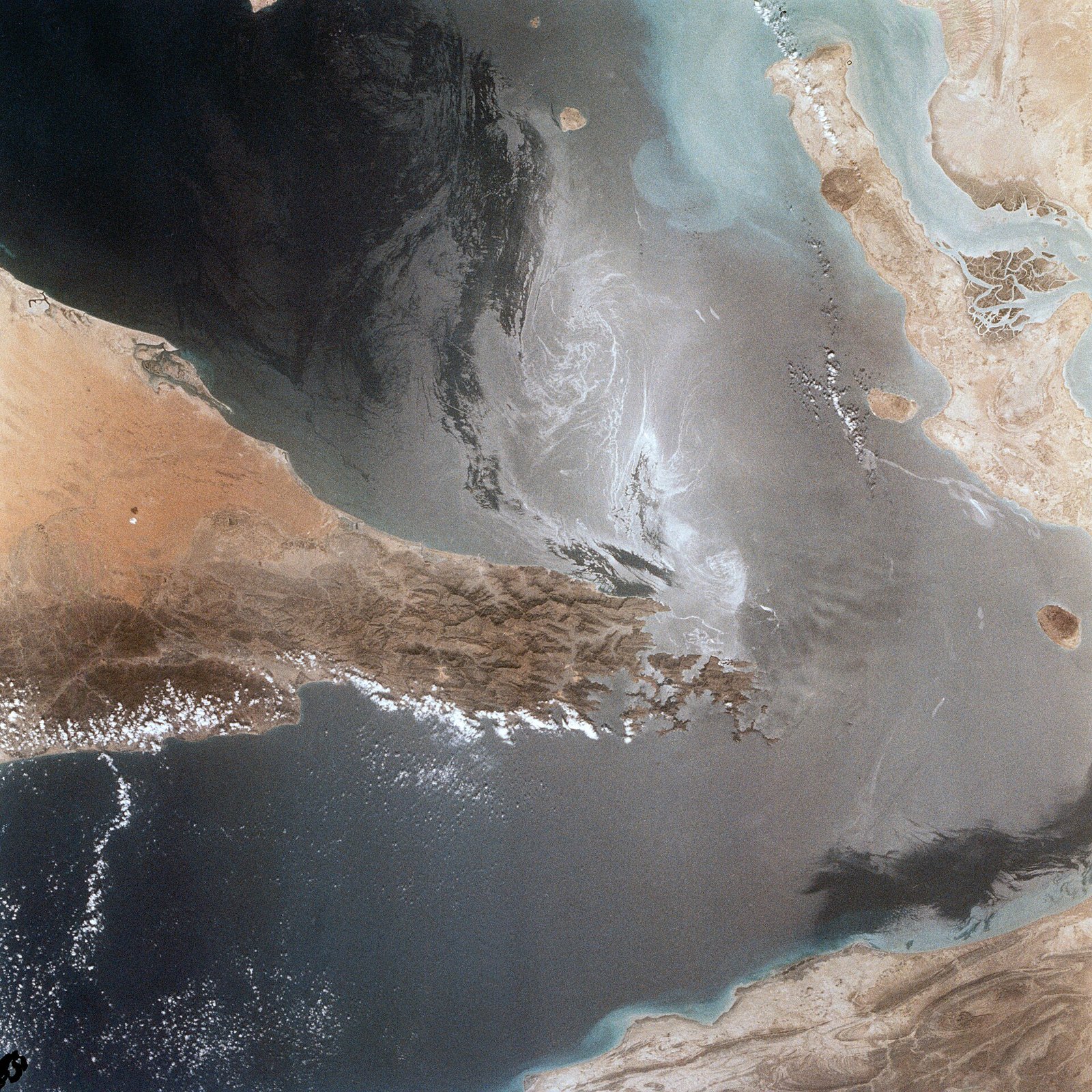
The Strait of Hormuz is the only sea route in and out of the Gulf. Before the US-Israel war on Iran began in late February, about a fifth of the world’s oil and liquefied natural gas passed through it. Tehran has insisted that ships seek permission and use routes it approves, but a growing number of vessels have been hugging the southern side of the strait instead, and attacks on shipping in the area have risen.
Only on Thursday, the UK agency said a vessel about 94 km north of Madinat ash Shamal, off Qatar’s northern coast, had been hit by several projectiles, causing casualties. For oil-importing countries such as India, every new strike adds to the risk for crews, freight costs and supplies passing through the region.
What comes next
With Washington and Tehran each trying to control who moves through the same waters, shipping firms face pressure from both sides. Maritime authorities are still investigating the latest incidents, including the extent of damage to the tanker hit inside the strait.