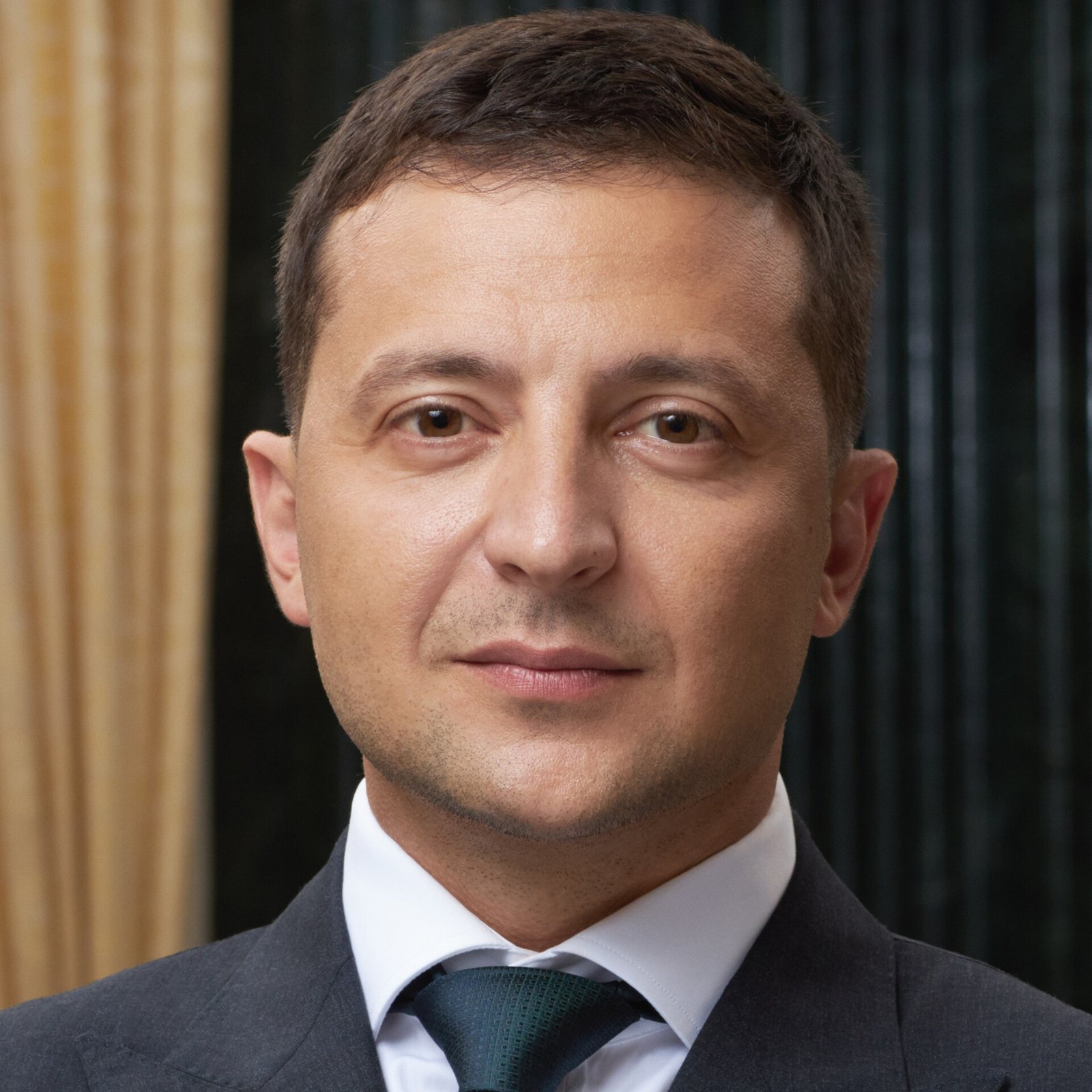
Photo: http://www.president.gov.ua/ / Wikimedia Commons, CC BY 4.0
US President Donald Trump announced on Sunday, October 11, that Russia and Ukraine had agreed to an “energy ceasefire” halting attacks on each other’s power and fuel infrastructure, “effective immediately”. Ukrainian President Volodymyr Zelensky said Kyiv would honour such a pause if Moscow did, but within hours accused Russia of striking power plants in Kyiv and Kharkiv. Russia had not publicly confirmed the arrangement.
A short post, few details
Trump made the announcement in a brief post on his Truth Social platform, writing that both parties had agreed and adding, “Do not break it!” The post gave no details on how the truce would work, who would monitor it or how long it would last.
Zelensky first said the news had come as a surprise to him, before stating that Ukraine was ready to stop striking Russian energy targets and was counting on Russia to do the same. His officials, he said, were waiting for clear details of the talks between Washington and Moscow.
Ukraine wants peace. The question is whether Russia does.
Volodymyr Zelensky, President of Ukraine
Strikes continue after the announcement
In a post on X, Zelensky said Russian attack drones had filled Ukrainian skies all day. He said a drone hit a power plant in Kyiv, causing outages in the capital, and that energy facilities in the north-eastern Kharkiv region were struck on Sunday evening, all after Trump’s statement.
He said Russian forces had carried out more than 200 strikes on Ukraine’s electricity generation and transmission network over the past week, along with 17 on gas and oil facilities, and that attacks during the week had killed more than 150 people and wounded over 700. Regional officials said six people were killed in attacks on two Ukrainian cities on Sunday, while Russian officials reported one death in the Belgorod region and another in Russian-occupied Donetsk.
The UK, France, Canada and the European Union voiced support for a sustained energy ceasefire. French President Emmanuel Macron called for a “real” one.
The diesel deal behind it
The announcement follows repeated US pressure on Kyiv to stop hitting Russian oil refineries so that Russia can deliver on a recent deal to release diesel to the US and global markets. That deal temporarily eases sanctions on Russian fuel imports and is part of Trump’s effort to bring down pump prices, which have risen sharply since the war with Iran began in February.
Zelensky has called the diesel deal a gift to Vladimir Putin, and it has drawn criticism in Europe and from both US parties. Seven senators, four Republicans and three Democrats, said it runs directly against a law banning Russian energy imports and urged the administration to reverse course. On Saturday, Trump said it was time for Ukraine to get a new president; Zelensky replied that only Ukrainians can choose their leader.
What to watch
The truce now depends on a response from Moscow, which has long described Ukrainian energy sites as legitimate targets, and on whether both sides actually stop their strikes. Kyiv says its forces have received the necessary orders and are waiting to see what Russia does.