Photo: Support Forces of Ukraine Command / Wikimedia Commons, CC BY 4.0
Elon Musk himself ordered last week’s slowdown of the SpaceX satellite service that Ukraine’s armed forces depend on, The Wall Street Journal reported on Tuesday, October 20, citing unnamed US officials and people familiar with the matter. According to the report, the SpaceX chief capped the speed at which Ukrainian military equipment could connect to the network, leaving some of Kyiv’s drones unusable.
What the report says
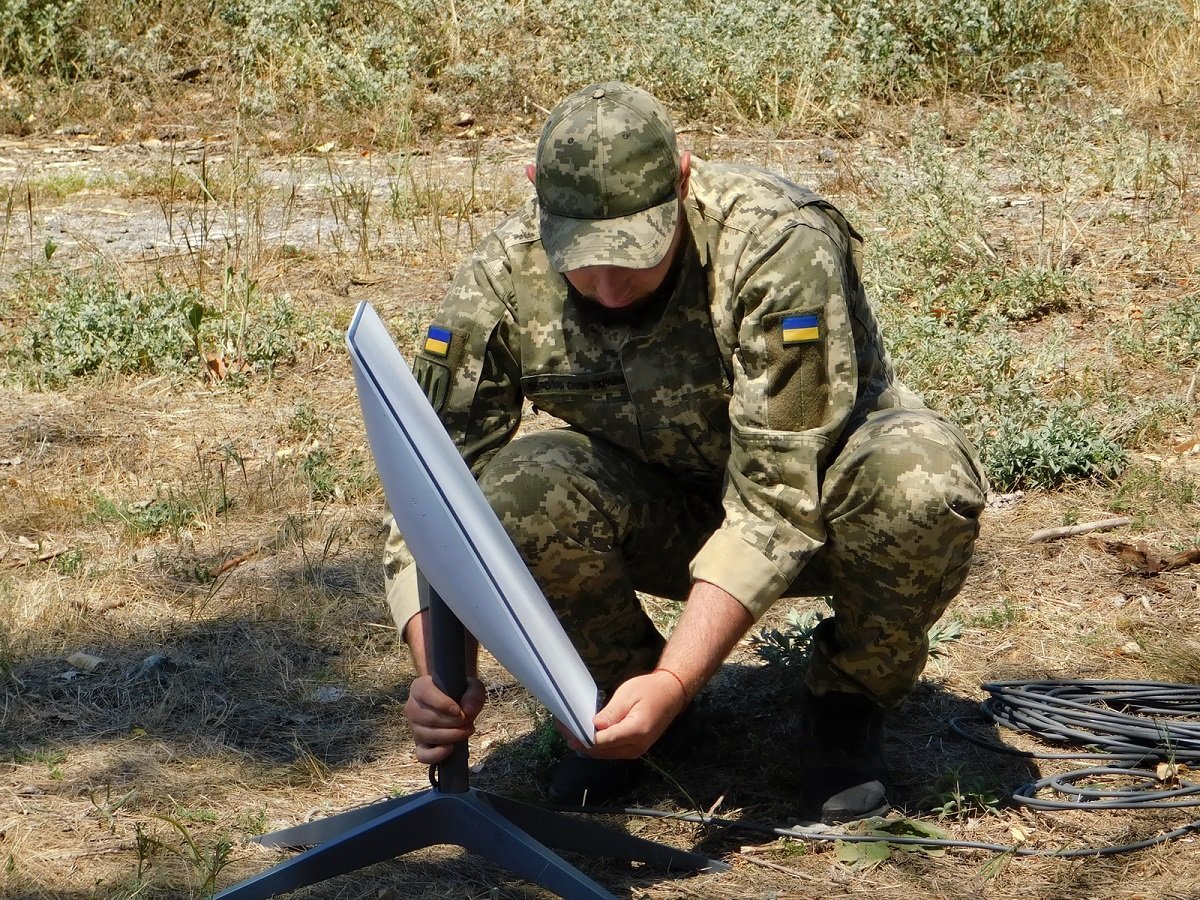
The cap hit Starshield, the military-grade version of Starlink that Ukraine uses for battlefield communications, mid-range strikes on Russian-held territory and interceptor drones that shoot down incoming Russian attack drones. Kyiv also uses the civilian Starlink network for ground forces and logistics.
Ukrainian commanders quoted in the report said the disruption lasted about a day and cost them drones and failed missions. Musk reportedly spoke to senior administration officials, including President Donald Trump, before the cap was imposed, though some of the newspaper’s sources described him as acting on his own.
Ukrainian officials said earlier that the terminals stopped working when mounted on fast-moving objects such as drones. A Defence Ministry official later said the receivers were working again in motion, but only at speeds of up to about 160 km per hour, and the military connection was restored within days.
Washington and Musk point at each other
The report contradicts what Musk said on October 14, when he wrote on X that the systems belong to the US government:
Any limits on speed or usage are decided by the US military and ultimately POTUS.
Elon Musk, SpaceX CEO
A day later, two US officials and a Western official told Reuters that the instruction to slow the service had come from inside the White House, without saying who gave it. Trump denied this on Friday, saying, “It wasn’t me. And I don’t think it was Elon.” On Tuesday, Defence Secretary Pete Hegseth said the Pentagon, the biggest customer for Starshield, had issued no directives. “We haven’t pulled anything back,” he said.
Why it matters
Drones guided over satellite links have become central to how Ukraine defends its cities and strikes Russian supply lines, so even a one-day outage has a direct cost on the front line. The slowdown came shortly after Trump criticised Kyiv and urged it to stop hitting Russian oil refineries, which he blames for high fuel prices ahead of the US midterm elections in November. Trump has also called for President Volodymyr Zelensky to be replaced after Zelensky attacked a US deal that lets more Russian diesel onto world markets.
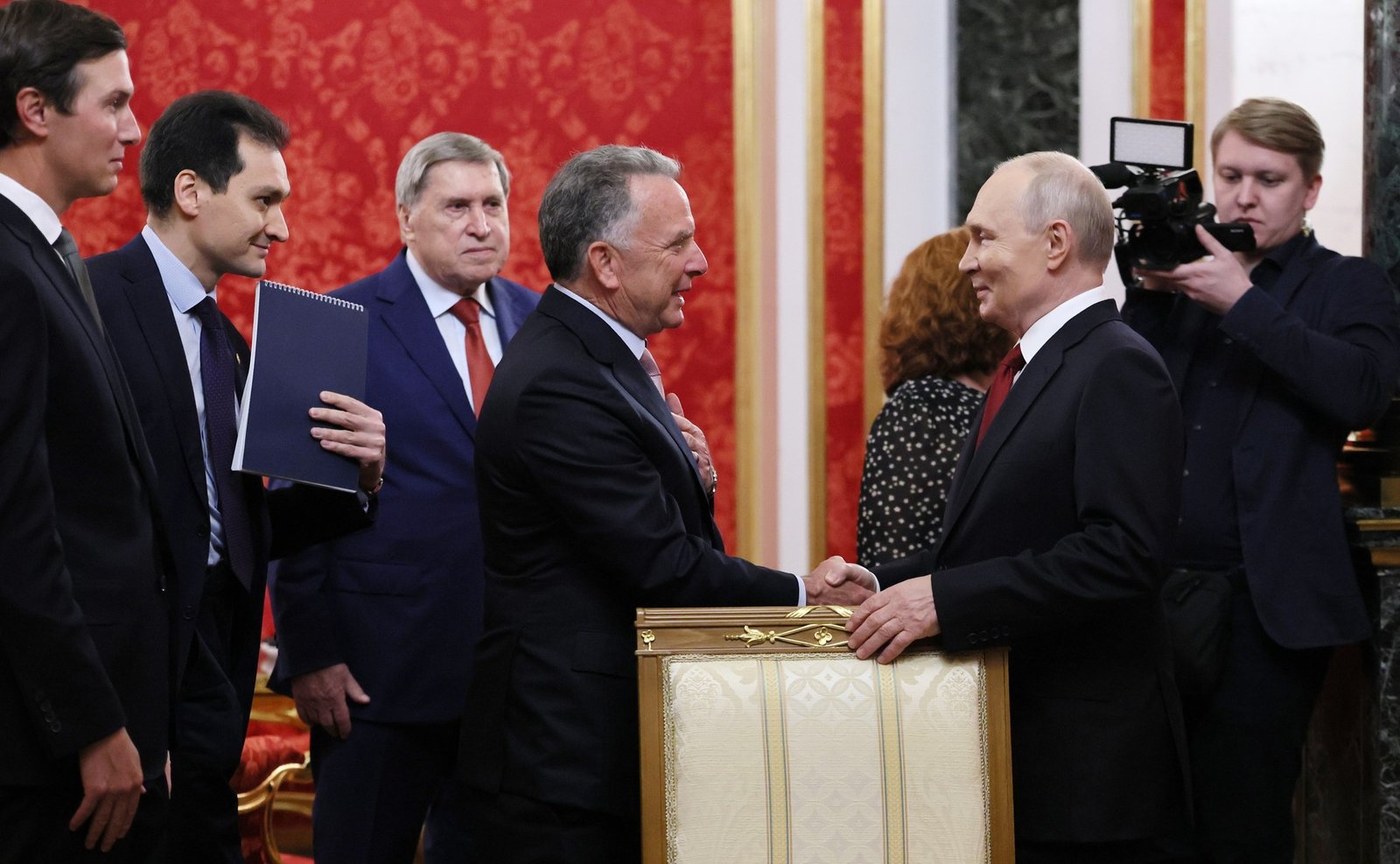
Ukrainian officials had already accused Washington of helping Russia, both over the Starlink curbs and over a lapse in early warnings of Russian missile strikes. The question of who throttled the service is likely to hang over talks this week, as Trump’s envoy Steve Witkoff, who held talks with Zelensky on security guarantees on Tuesday, prepares to take those proposals to Moscow.