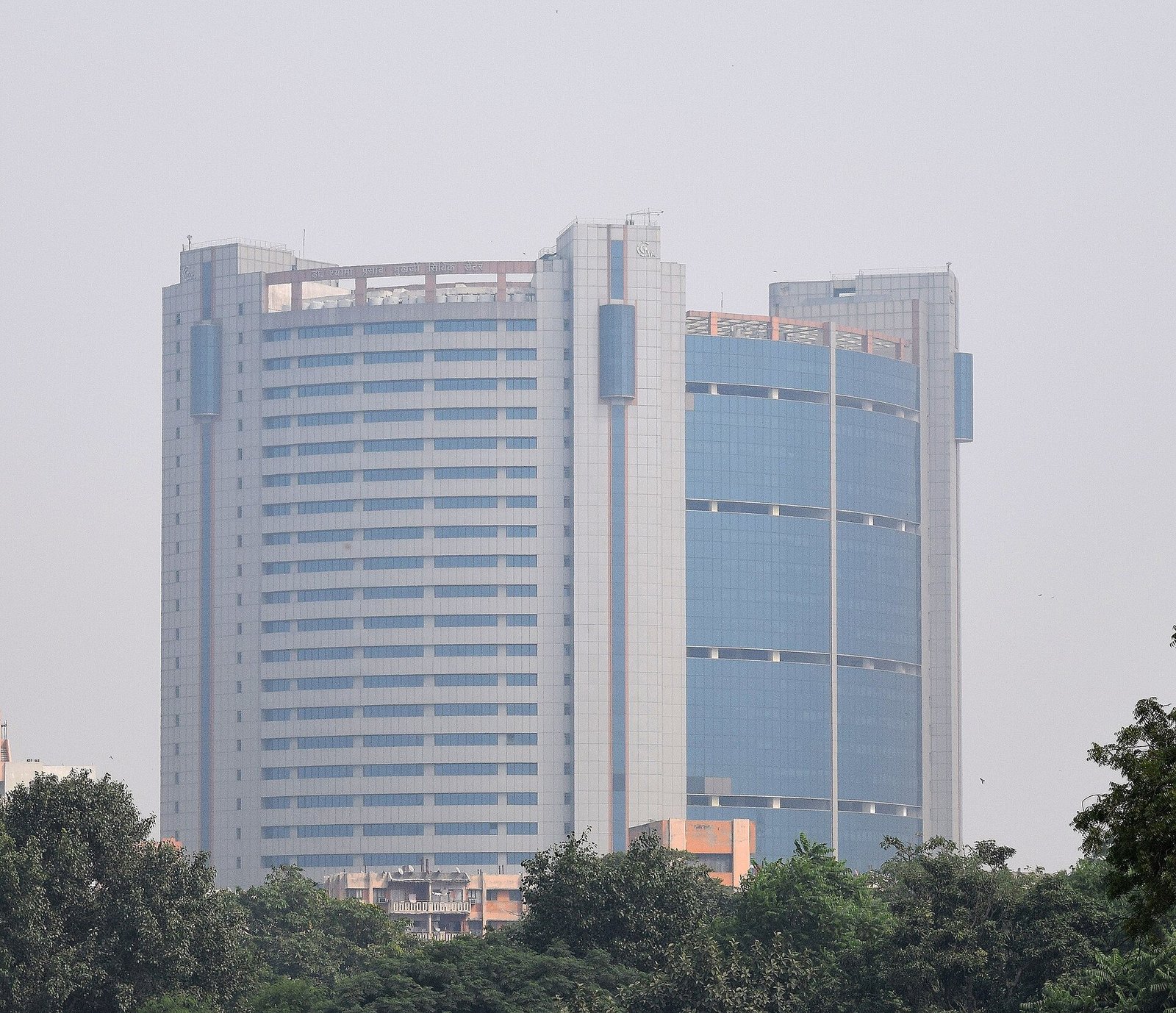
Photo: Nikhil B / Wikimedia Commons, CC BY-SA 4.0
More than one in five factories and workshops running in Delhi’s non-conforming industrial areas were found breaking air or water pollution rules during a ten-month inspection drive by the Municipal Corporation of Delhi (MCD), and the civic body has sealed 1,557 of them, according to an MCD report covering the period from December 1, 2025, to September 30, 2026.
What the inspections found
MCD teams surveyed 11,273 units across the city’s 250 wards and flagged 2,299 as polluting. Of these, 1,669 were found to be fouling the air and 630 were discharging pollutants into water. Apart from the sealings, 705 units were vacated and 34 were served show-cause notices.
Of the 1,557 sealed units, 1,111 had violated air pollution norms and 446 had violated water pollution norms, the report says.
- Shahdara North: 370 polluting units, the highest of any zone
- Sadar Paharganj: 240 units
- Central Zone: 140 units
- Water pollution: West Zone led with 146 violations, followed by Shahdara North (126) and Shahdara South (74)
The ratio has held steady since the drive began. In its first weeks, up to January 9, 2026, the MCD had checked 4,711 units in 220 wards and found 880 of them polluting, again roughly one in five.
Why these areas are hard to police
Non-conforming industrial areas are pockets where factories operate without industrial land-use status, often inside residential or mixed-use neighbourhoods. MCD officials said that closeness to homes makes enforcement difficult and means the smoke and effluent hit residents directly. They linked repeated violations in some areas to a high density of small-scale units.
The Delhi government has directed district magistrates to personally supervise action in 48 such pollution hotspots. The drives target trades such as metal casting, powder coating, buffing and polishing, plastic waste reprocessing, spray painting and heat treatment.
What happens next
Officials said inspections and sealing drives will be stepped up over the coming month, with more focus on checking compliance on the ground. The government has been holding regular review meetings since last month, and department heads have been told to make field visits to judge how well the action against polluting units is working.
At the ward level, 250 MCD teams track local pollution sources, inspect the city’s decentralised construction and demolition waste storage points and identify unpaved roads and badly potholed stretches. They work with district magistrates to act against unauthorised industries, and similar teams have been set up in the Delhi Cantonment and New Delhi Municipal Council areas.