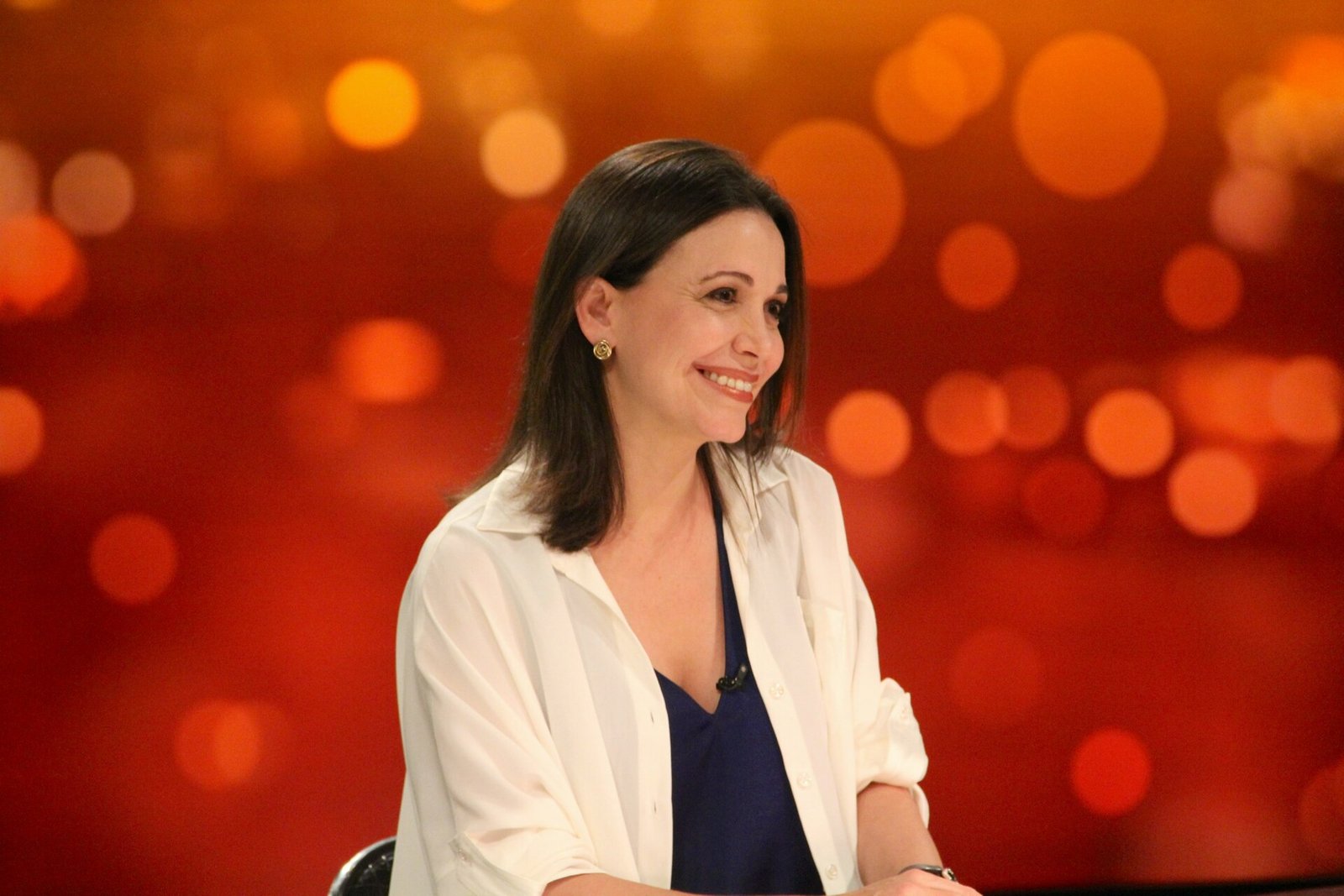
Photo: Gabo Bracho / Wikimedia Commons, CC BY-SA 4.0
Venezuelan opposition leader María Corina Machado is back in her country after nearly 10 months abroad, announcing her return on Sunday, October 25, with a four-word message on X: “I am here. With you.” Soon afterwards she appeared before cheering supporters at the Divina Pastora sanctuary in Santa Rosa, on the edge of Barquisimeto in Lara state, one of Venezuela’s best-known pilgrimage sites.
Her ally Edmundo González Urrutia, the opposition’s candidate in the disputed 2024 presidential election, confirmed within minutes that she was on Venezuelan soil, calling it a very important day for Venezuelans and promising that he too would return soon. How exactly she entered the country has not been officially confirmed.
A return after repeated failed attempts
Machado left Venezuela in early December 2025 after more than a year and a half in hiding, making a risky journey by road and then by boat to Curaçao before flying to Oslo to collect the Nobel Peace Prize. Getting back proved far harder. Spanish media reported that she made at least seven attempts over the past three months, by sea, on commercial and private flights and overland, setting out from the United States, Panama and Curaçao. Each one was blocked or called off at the last minute.
According to Spanish newspaper ABC, this time the return followed weeks of diplomacy involving several countries in the region, and the White House did not stand in the way. Asked about her return, US President Donald Trump praised Machado, said he hoped she would be safe and added that things were going well in Venezuela, without explaining what role Washington had played.
Why it matters
Venezuela’s politics were upended on January 3, when US forces seized then-President Nicolás Maduro. The Trump administration then backed his deputy, Delcy Rodríguez, who was sworn in as interim president and later signed an oil deal with the United States. No date has been set for a presidential election, and Rodríguez has stayed in office beyond the period she was authorised to serve.
Since August, Rodríguez’s government has been negotiating a roadmap with opposition figure Dinorah Figuera that includes a full overhaul of the Supreme Court and the National Electoral Council. It also proposes holding elections for governors and mayors before any presidential vote, a sequence Machado has openly rejected. She had said in September that she could not lead the process from abroad.
Machado remains the country’s most popular political figure. An AtlasIntel survey for Bloomberg in August put her vote intention at 57.4%. She was barred from running in 2024 and instead backed González, who the opposition says won by a wide margin according to tally sheets it collected.
What happens next
Her safety and legal position are the immediate questions. The government has accused her of encouraging the US military operation, and Rodríguez said in February that Machado would have to answer to Venezuela if she came back, citing her calls for sanctions and intervention. Interior Minister Diosdado Cabello had also hinted on his television show that a “surprise” awaited her, though he recently insisted nobody was stopping her from returning.
Machado’s supporters see her presence inside the country as a way to reclaim a say in the transition talks, which until now have moved ahead largely without her. Details of any security guarantees, and the interim government’s formal response, are still awaited.