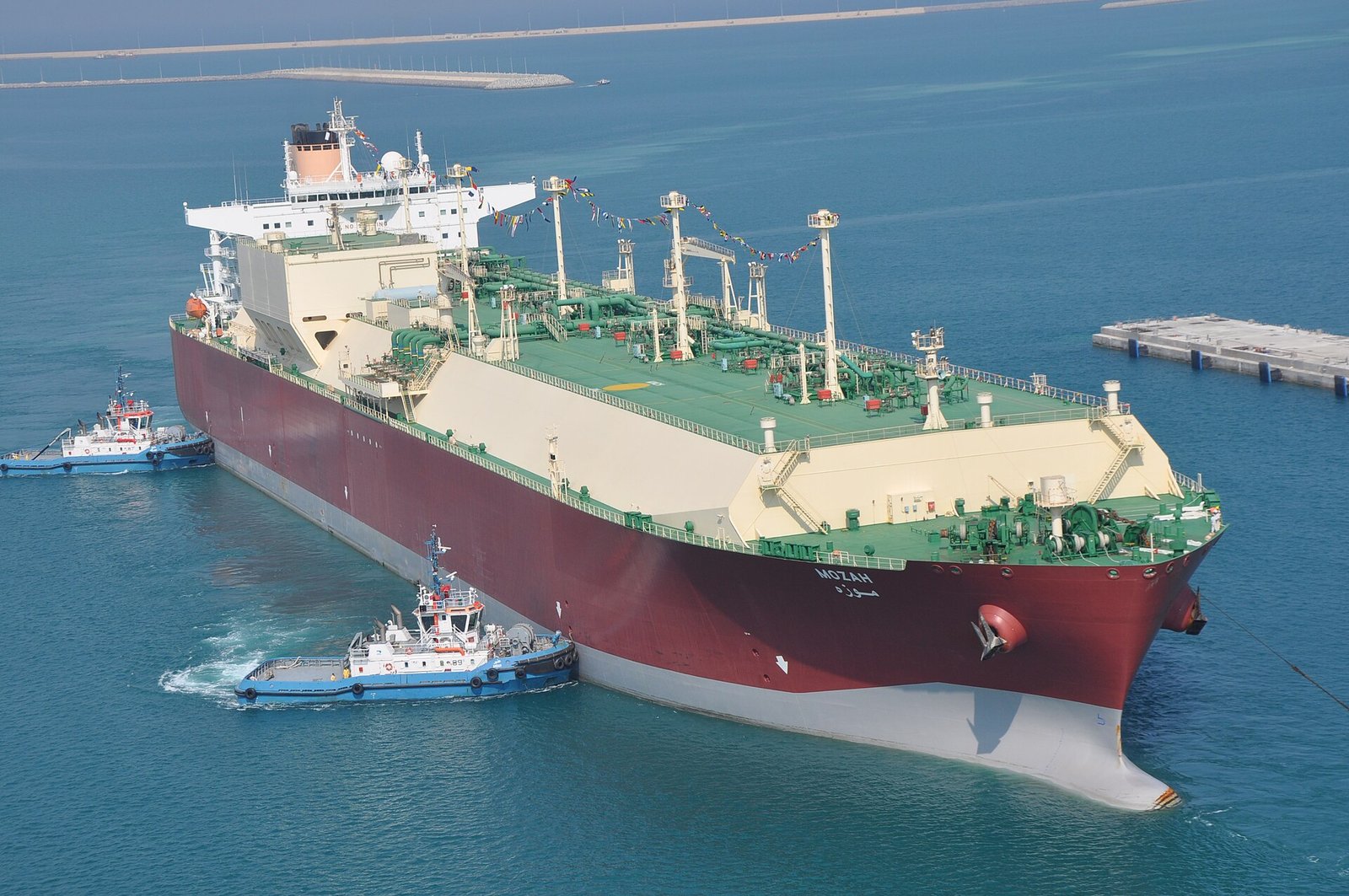
Photo: Nakilat / Wikimedia Commons, CC BY-SA 4.0
Iranian negotiators spent a third straight day with Qatari mediators in Doha on Sunday, November 1, trying to work out a deal to end the eight-month war with the United States and Israel, an official briefed on the talks told Reuters. The diplomacy has produced one concrete shift so far: Tehran now says it could partly reopen the Strait of Hormuz within two days, rather than the seven it offered earlier, if Washington meets its demands.
A shorter window, but the same conditions
Foreign Minister Abbas Araghchi disclosed the shorter timeline in an interview with Al Jazeera on Saturday. He described a letter from US Vice President JD Vance as a “positive step” but said no direct meetings with American officials were planned for now. The mediation began in Tehran on Friday, October 30, before shifting to the Qatari capital, and is being coordinated through regular contact with Washington, according to the official.
Iran’s list of demands has not changed. Security chief Mohsen Rezaei said on state television that shipping would not return to normal until the US lifts its naval blockade of Iranian ports, waives oil sanctions, releases frozen Iranian assets abroad, halts fighting on every regional front including Lebanon, and accepts an Iran-Oman arrangement for the strait. Analysts quoted by Al Jazeera said the core problem is sequencing: Washington wants movement on Iran’s nuclear programme first, while Tehran wants concessions up front.
Both sides keep the military option open
The talks are running alongside sharp warnings. President Donald Trump has said there will be no new US strikes before the November 3 midterm elections, but has not ruled out action afterwards. He called Iranian officials unreliable and told reporters that “one or two sites” remained to be dealt with. Secretary of State Marco Rubio said on Saturday that Trump had not decided on fresh strikes and would rather settle the conflict through diplomacy.
In Tehran, Supreme Leader Ayatollah Mojtaba Khamenei met senior commanders and called for “maximum deterrence”, ordering forces to be ready to respond to any attack without geographical limits. Araghchi said the armed forces were at their highest level of readiness.
We are prepared for all scenarios.
Abbas Araghchi, Iranian Foreign Minister
Qatari LNG carrier struck, Indian crew safe
At sea, the attacks continue. Qatar Gas Transport Company, known as Nakilat, said on Sunday that its liquefied natural gas carrier Al Mayeda was hit by “unidentified objects” while sailing through the Gulf on the evening of October 30. The company said no one was hurt, there was no environmental damage and the vessel remained safe and operational while the impact was assessed. India’s Shipping Minister Sarbananda Sonowal said the Marshall Islands-flagged ship had six Indian seafarers among its 25 crew, all of them unharmed, and that the government was in close touch with the ship’s managers.
More than 120 commercial vessels have been hit since the war began on February 28, according to International Maritime Organization and UK Maritime Trade Operations data cited by Al Jazeera. October was the worst month yet, with at least 29 ships struck, as attacks rose after the US reimposed its blockade of Iran’s southern ports in July.
Why it matters and what comes next
The strait’s near-closure has kept Gulf shipping dangerous for crews from India and elsewhere. A US Treasury assessment reported by Axios said Iran had loaded no new oil at its terminals since August 25 and that inflation neared 90 per cent in September. The next test comes after Tuesday’s US vote, when Washington must decide whether to answer Tehran’s offer or return to strikes.