Photo: Kadyani / Wikimedia Commons, CC0
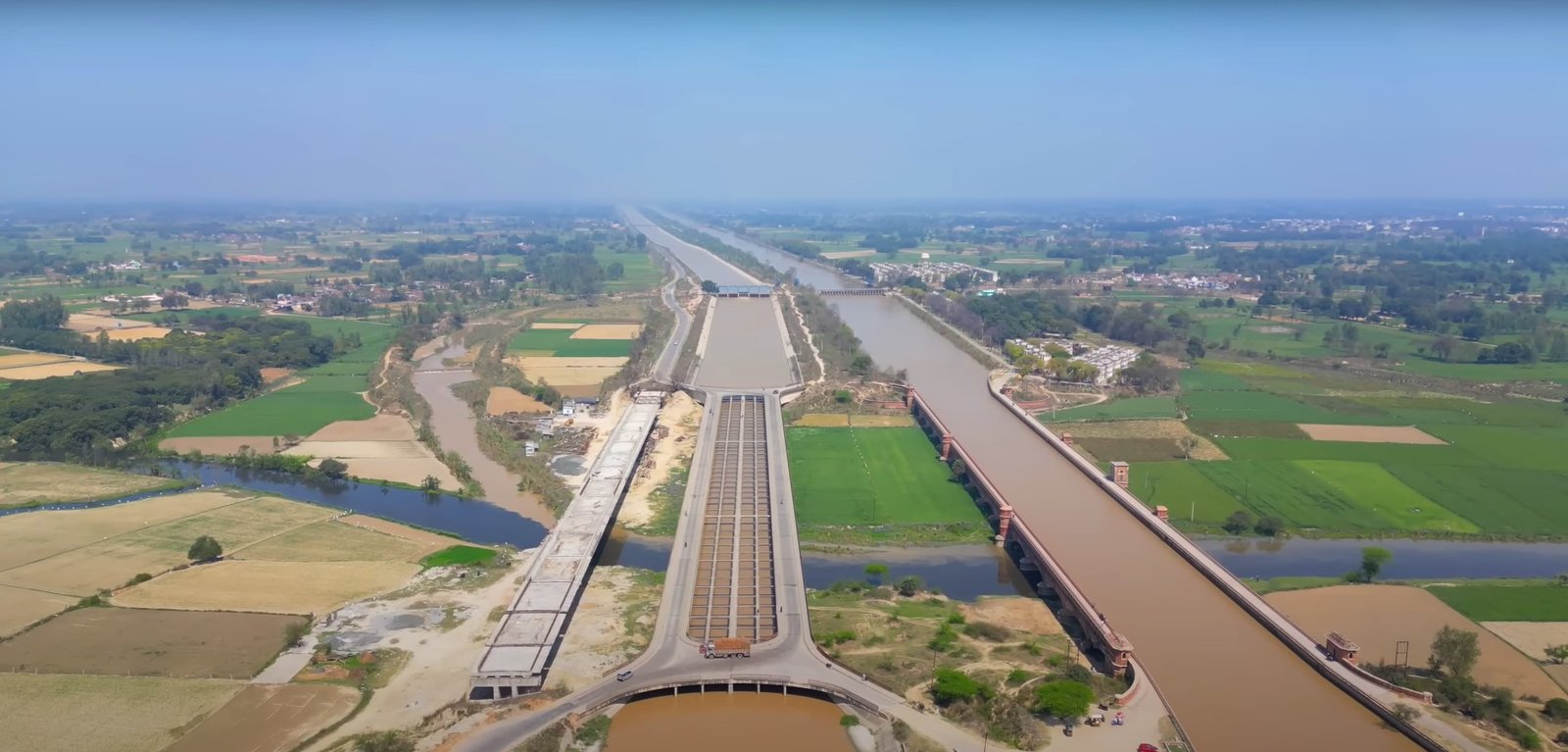
Households across Noida and Ghaziabad will lose their supply of treated Ganga water for several weeks from October 21, when Uttar Pradesh’s irrigation department closes the Upper Ganga Canal for its yearly desilting. Officials expect more than 20 lakh people in the two cities to be affected.
An irrigation department official said the canal would be shut from October 21 to November 25. Noida’s water department has told residents to expect Ganga water to be off their taps for roughly 25 days, with supply returning to normal only once the canal is refilled and water reaches the treatment plants again.
Why the canal is being closed
The closure is an annual exercise carried out between Vijaya Dashami and Diwali. Silt builds up in the canal after every monsoon and slows the flow, so a 195-km stretch from Haridwar to Dasna has to be cleaned. This year the department also plans to raise the canal floor by 50 cm along the bathing ghat at Chhota Haridwar in Muradnagar, a measure aimed at preventing drownings.
Who will feel it
In Ghaziabad, Ganga water reaches the trans-Hindon belt, including Indirapuram, Vaishali, Kaushambi, Vasundhara, Siddharth Vihar and Pratap Vihar, as well as colonies such as Surya Nagar. Ganga water is preferred for drinking because of its better quality, but it serves less than 40% of the city’s population of about 48.6 lakh. The rest depend on groundwater.
The canal feeds three UP Jal Nigam treatment plants, two of 120 million litres a day (MLD) each and one of 240 MLD. Most of that water is allocated to Noida, with smaller shares going to the Ghaziabad Municipal Corporation (GMC) and the UP Housing Board. Ghaziabad is already short: the GMC has about 372 MLD at its disposal against demand of around 419 MLD, and roughly 35% is lost to leaking pipes.
Noida needs about 553 MLD a day, and around 240 MLD of it comes as Ganga water from the Pratap Vihar and Siddharth Vihar plants in Ghaziabad, according to local reports. Losing that share could cut water pressure in several sectors, especially on upper floors and in outlying areas.
Backup plans
- Ghaziabad: the GMC says it will run 70 large and 36 small borewells in the Vasundhara zone and 26 borewells in Indirapuram, and send 64 water tankers to areas without a piped network.
- Noida: the Noida Authority is repairing tube wells and Ranney wells over the next 12 days. Its water department head, R.P. Singh, said they would run at full capacity, that 40 more tube wells are ready than last year, and that the Ranney wells can supply more than 100 MLD.
Singh acknowledged that some areas could still run short, and said tankers would be sent where needed. One concern raised locally is that most of Noida’s tube wells have no backup generators, so power cuts could stop pumping just when the canal water is unavailable.
What residents can expect
The closure overlaps with the festive season, when water use usually rises. Residents in both cities are being asked to use water carefully until the canal reopens and Ganga water supply is restored.