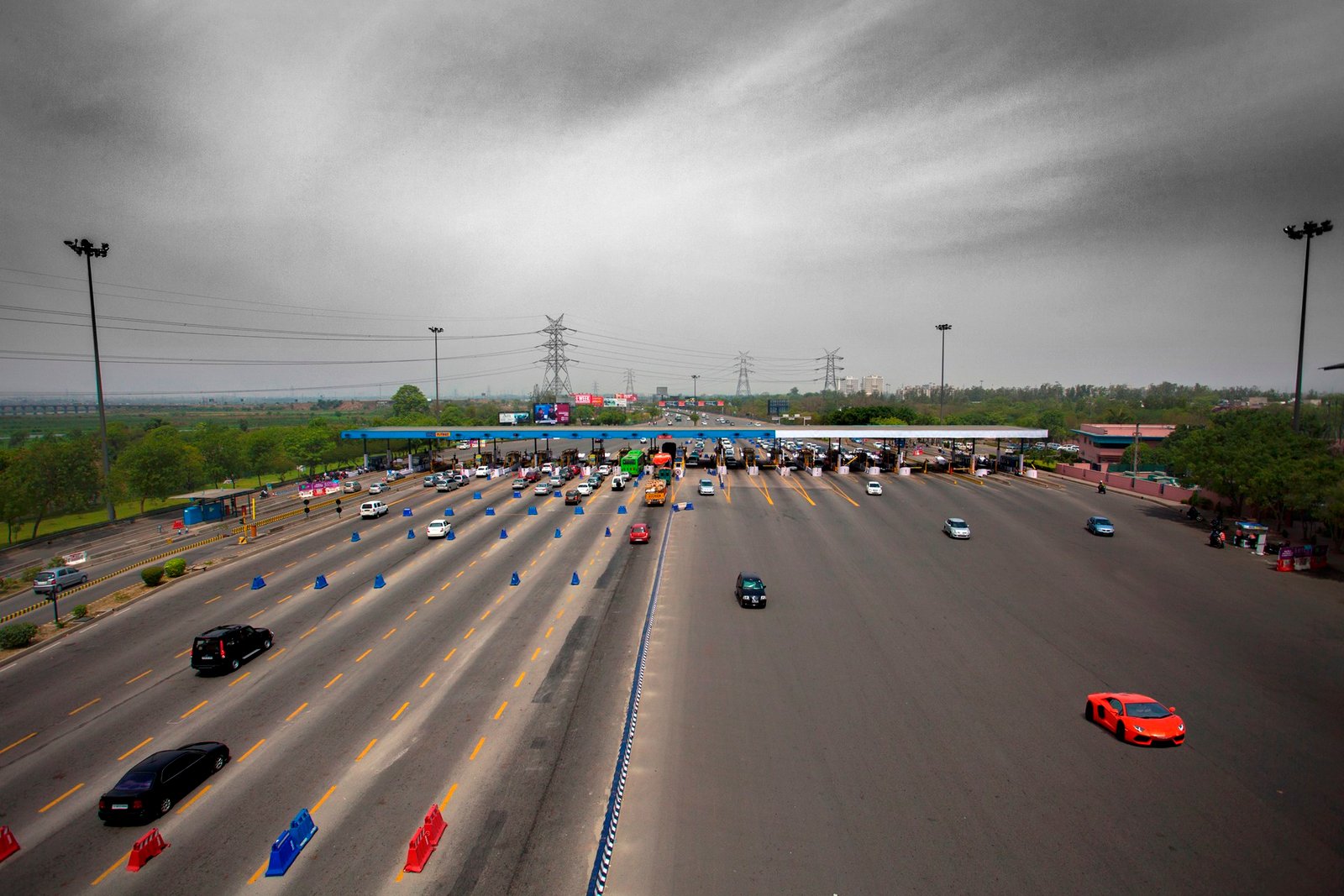
Photo: Aakash Singh India / Wikimedia Commons, CC BY-SA 4.0
Enforcement teams at Delhi’s borders turned back 1,539 vehicles on Sunday, November 1, the first day of the city’s Winter Action Plan, and authorities collected ₹68.4 lakh in fines and environmental compensation, according to official data compiled till 5 pm. Of the 14,930 vehicles checked by the Delhi Traffic Police and the Transport Department, a little over 10 per cent were sent back.
What the first day’s numbers show
The biggest share of the money came not from the new entry ban but from an older rule: running a vehicle without a valid Pollution Under Control Certificate (PUCC). Officials issued 566 PUCC challans worth ₹56.6 lakh, 493 of them by the traffic police and 73 by the Transport Department. Penalties for breaking the border entry restriction itself added up to only about ₹2 lakh, with 127 challans issued and 62 vehicles impounded.
Among those sent back were 140 private cars and other light motor vehicles, 54 light commercial vehicles, 95 medium and heavy goods vehicles and 34 buses. Two-wheelers, three-wheelers and other smaller vehicles made up the largest group: 789 of the 1,423 checked were turned around and 38 were impounded. Teams also stopped 7,279 goods vehicles that were only passing through Delhi and returned 314 of them. Another 740 CNG, electric and essential-service vehicles were verified and let in, as they are exempt.
Inspectors also visited 300 construction and demolition sites and found more than 30 breaking dust-control rules. They issued 17 closure directions and 19 show-cause notices and imposed ₹9.8 lakh in environmental compensation.
Keep PUCC valid, follow entry rules and dust norms. The quest for clean air needs our collective efforts.
Manjinder Singh Sirsa, Delhi Environment Minister, on X
Advice first, challans later
About 40 enforcement teams of roughly 250 officials were spread across the city’s entry points, from Kapashera to Badarpur. Officers at several crossings said the focus on day one was on explaining the rules and sending ineligible vehicles back rather than penalising them. Delhi-registered vehicles with missing or expired pollution certificates were the main exception and were fined.
Sunday traffic was light, and most borders saw no long queues, although Ghazipur and the Gurugram border saw tailbacks. Staffing was stretched at some points because many traffic teams had been moved to manage the opposition rally at Ramlila Maidan. On the Delhi-Noida Direct Flyway, two officers were left watching four lanes of incoming traffic, and some constables said they were working double shifts. Haryana and Uttar Pradesh police helped with checks at a few crossings. At Kalindi Kunj, goods vehicles bound for places beyond Delhi were told to use the Eastern or Western Peripheral Expressway.
Why it matters and what comes next
The entry ban is aimed at older, more polluting vehicles registered in other states. Pre-BS-VI vehicles registered outside Delhi will be barred until January 31, while other measures under the plan will run for different periods up to February 28. A near-complete halt on construction and demolition, with some exemptions, is due from December 10 to January 20.
The bigger test begins on Monday, when weekday commuters and freight return to the roads. Enforcement agencies will have to keep banned vehicles out without turning busy border crossings into bottlenecks.