Photo: Verghese TK / Wikimedia Commons, CC BY-SA 4.0
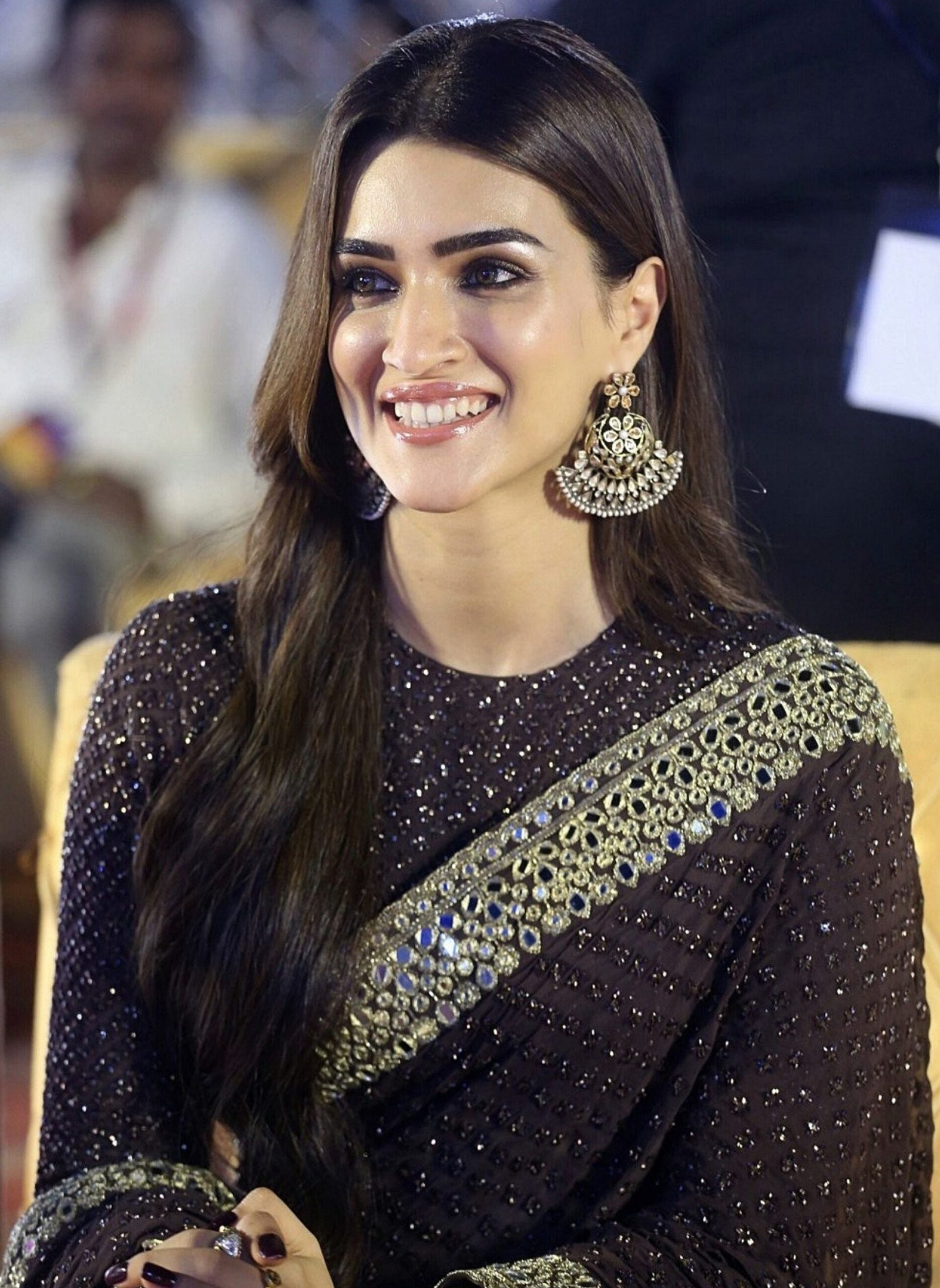
The Delhi High Court has granted actor Kriti Sanon interim protection against AI-generated obscene images, deepfakes, impersonating social media accounts and chatbots that pose as her, but used the same order to caution against the sweeping “personality rights” injunctions that have become common for film stars. The order, passed by Justice Purushaindra Kumar Kaurav on October 29, came to light on Wednesday.
What the court ordered
Sanon told the court that her name, image, likeness and voice were being misused in several ways: fake offers to book her appearances, accounts on YouTube, Facebook, X and Pinterest claiming to be her official representatives, morphed and sexually suggestive AI images, merchandise, AI chatbots and synthetic voice models presented as her, and pornographic deepfakes. She said she had complained to the platforms first and got no response, and the court said she could not be faulted for coming to it.
The court directed the platforms to take down or disable the specific web addresses identified in the suit, and barred the defendants from uploading or generating similar material. It also asked the Centre’s departments concerned to block websites carrying pornographic deepfakes, and told intermediaries to share basic subscriber details and IP logs of the offending pages within three weeks.
The restraint, the court made clear, does not cover news, reviews, criticism, commentary, satire, parody, caricature or fan expression that falls outside the listed categories.
‘Not a single cause of action’
The more significant part of the order is its reasoning. Justice Kaurav held that “personality rights” is not one right but a label for several distinct claims, including the right of publicity, privacy, passing off, defamation, and rights under trademark and copyright law. Each has its own conditions, defences and remedies, he said, and bundling them together cannot lower the bar for any one of them, such as the high threshold for stopping allegedly defamatory speech before trial.
The rights are available to every individual. Fame bears on whether an identity has commercial value and on the loss caused by its misuse; it is not a condition of the right. Equally, the mere use of a person’s identity is not, by itself, unlawful.
Delhi High Court order
The court distinguished privacy and dignity, which are personal and cannot be transferred, from the right of publicity, which protects the commercial value of an identity and can be licensed through endorsement deals. It said anyone seeking such protection must set out, defendant by defendant and item by item, what claim is being made and on what material, and that interim relief must be equally specific. With the law still unsettled, it confined relief to content causing harm that cannot be undone later.
Why it matters
Over the past few years, several actors have secured broad orders from the Delhi High Court protecting their names, faces and voices, often including “John Doe” injunctions against unknown people. This order signals a narrower approach that leaves room for legitimate use of a public figure’s identity, while still acting quickly against sexual deepfakes and impersonation.
A separate bench of the High Court is already examining the wider legal questions around personality rights in suits filed by Janhvi Kapoor, Vivek Oberoi and Aradhya Bachchan, with advocates Gautam Bhatia and Rohan Alva appointed to assist the court.
What happens next
The court said its findings are prima facie and that the larger legal questions will be decided after the contesting defendants are heard. Whether merchandise that simply uses a person’s image falls within the right of publicity will also be examined then. The case returns to court on December 10.