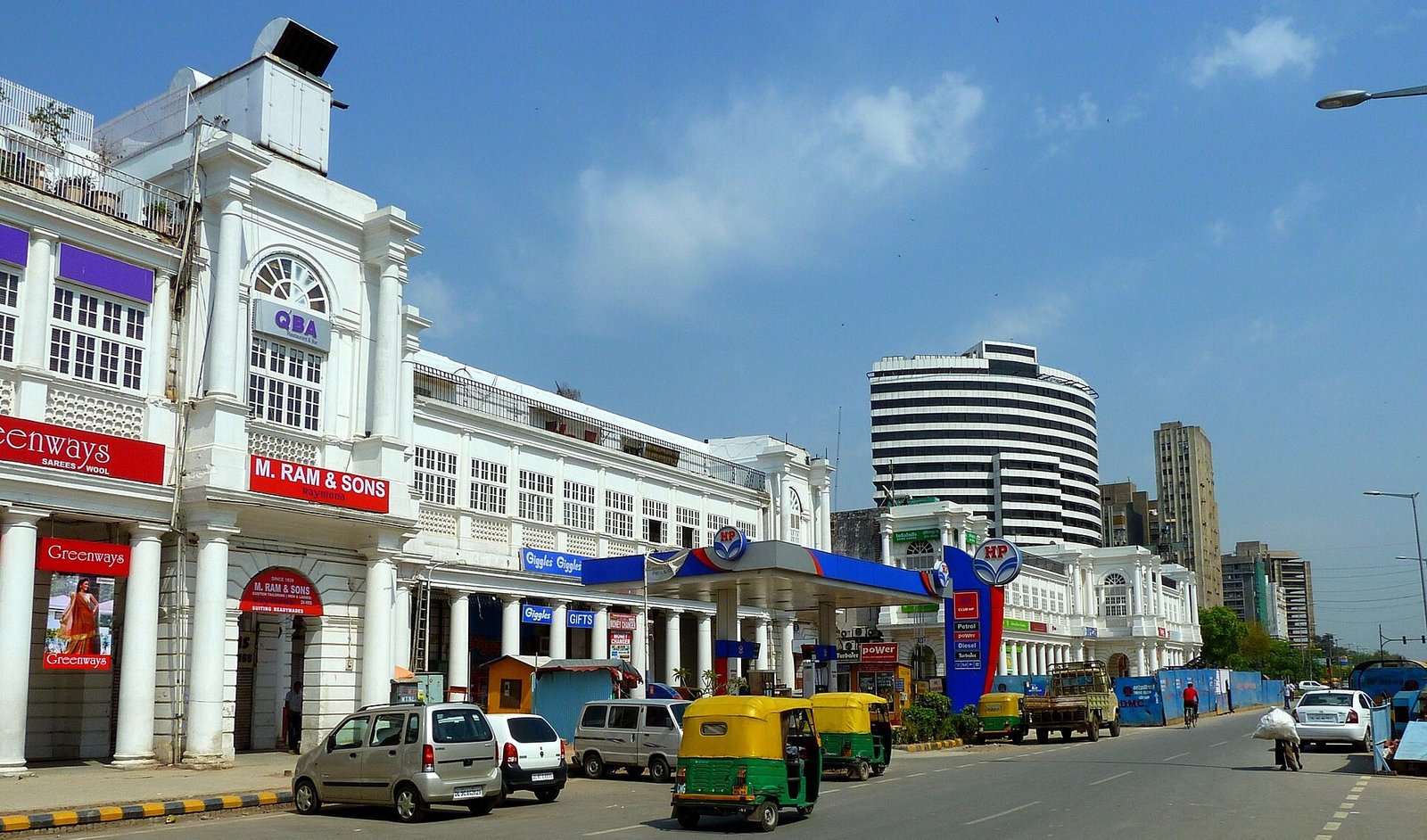
Photo: Vladislav Bezrukov / Wikimedia Commons, CC BY 2.0
The Delhi High Court on Tuesday, October 13, asked the Centre to state its position on petitions by traders, a street vendor and a lawyer who want protests in the capital held strictly under the existing rules, saying weeks of demonstrations and police barricading have choked central Delhi and hurt business.
What the court said
A bench of Acting Chief Justice Nitin Wasudeo Sambre and Justice Sanjay Sharma took up the matter after allowing a request for an urgent hearing earlier in the day. It asked Additional Solicitor General Chetan Sharma, appearing for the Centre, and the other authorities to take instructions, and listed the case for Friday, October 16.
The judges were careful not to step on proceedings already before the Supreme Court. They asked the petitioners to place on record copies of the protest-related petitions pending there. “We don’t want to cover an area already sub judice in the Supreme Court,” the bench said. The Centre’s counsel told the court those petitions have been adjourned to October 15.
Traders cite ₹2,000 crore loss
Senior advocate Sacchin Puri, appearing for lawyer Rishabh Saxena, said hundreds of people had recently brought central Delhi to a standstill. He told the court that traders had lost up to ₹2,000 crore because of barricading and the way protests were being held, and that areas such as Connaught Place had become “completely unapproachable”. Senior advocate Sanjay Poddar, for the traders, said October to February is the best season for business and that it had been badly affected.
The petitions rely on the Supreme Court’s ruling in the Mazdoor Kisan Shakti Sangathan case, which directed the Delhi Police Commissioner to frame a regulatory mechanism for protests. The conditions laid down under it bar demonstrators from blocking traffic, office gates and arterial roads. Saxena’s petition says he found protesters occupying the carriageway near the Mandi House roundabout on October 12, and argues the episode was not isolated.
Other pleas heard
- A plea by NSUI president Vinod Jhakhar seeking a Special Investigation Team probe into alleged assaults on people during the October 10 protest demanding the Chief Election Commissioner’s resignation. The Centre was allowed to file preliminary objections on whether it is maintainable.
- A petition by advocate Anshika Tripathi challenging the closure of Jantar Mantar as a protest site and the shutting of Metro stations and rail services. She was asked to produce copies of the related Supreme Court petition.
Why it matters
Central Delhi has seen repeated protests by opposition parties, student groups and civil society organisations over the functioning of the Election Commission, and an unprecedented security clampdown in response. On October 10, about 7,000 people were detained, internet services were suspended near Jantar Mantar and 45 Metro stations were shut. The High Court now has to weigh the right to protest against the access of traders and commuters, while the Supreme Court takes up the larger challenge to the crackdown on Thursday.