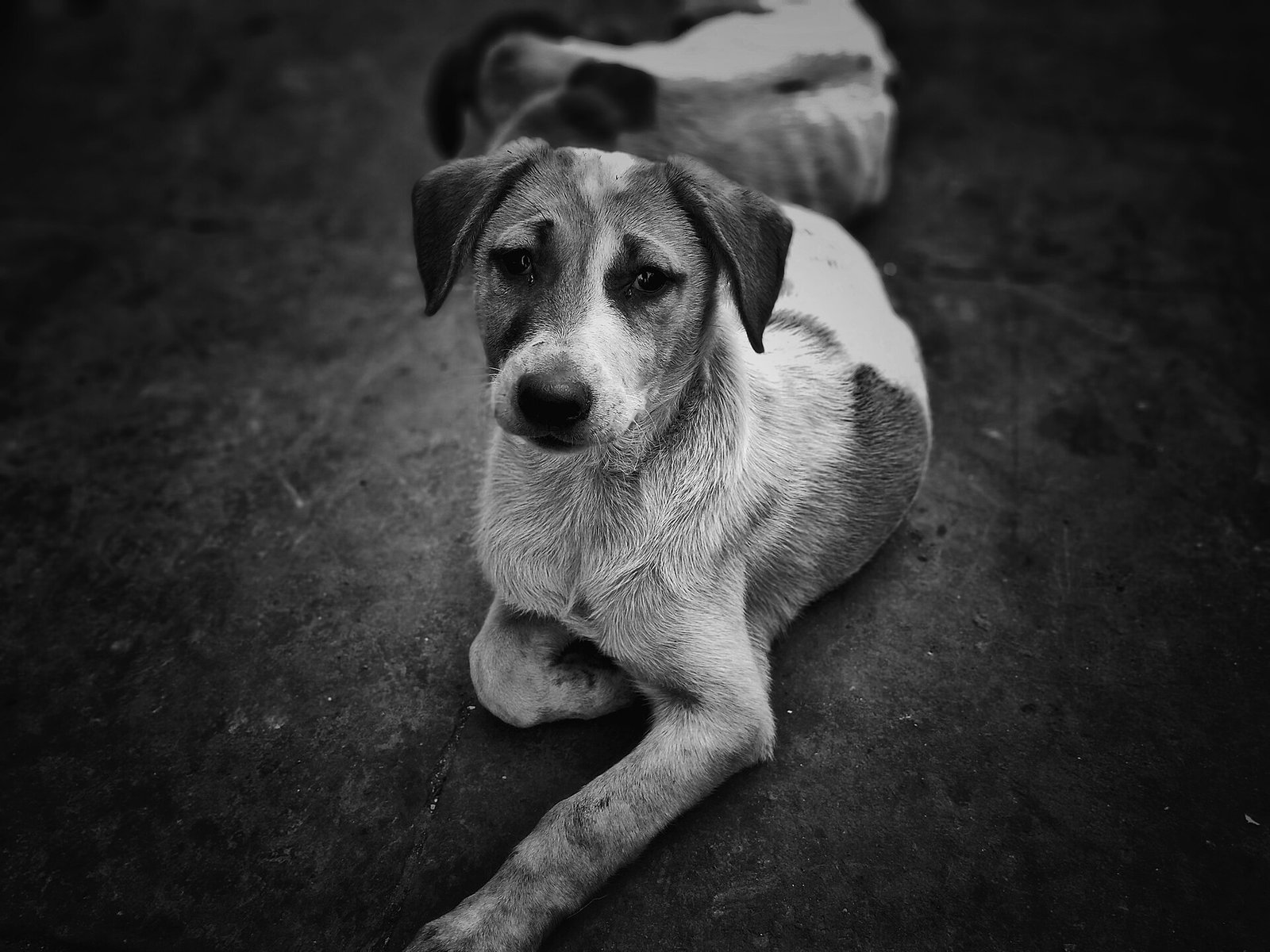
Photo: akshatsgi / Wikimedia Commons, CC BY-SA 4.0
Delhi is putting together a single standard operating procedure (SOP) for sterilising and vaccinating its street dogs against rabies, with the Delhi High Court pressing civic bodies to turn a handful of successful pilot camps into a programme that covers the whole capital.
The draft lays out how dogs should be caught, treated after surgery and returned to the neighbourhoods they were picked up from. It is being prepared while courts keep a close watch on how far cities are following the Animal Birth Control (ABC) Rules, 2023, and the Supreme Court’s directions on managing street dogs and preventing rabies.
What the court has ordered
In an order dated October 5, the High Court asked the Municipal Corporation of Delhi (MCD) to draw up a roadmap built on recommendations from animal welfare expert Gauri Maulekhi, who is assisting the court as amicus curiae, and to place it before the court for approval.
The court was told that sterilisation camps held in Anand Vihar and in Circles 6 and 14 of the New Delhi Municipal Council (NDMC) had produced satisfactory results. Ms Maulekhi suggested that applying the Anand Vihar approach at all 14 ABC centres in the city could speed up both sterilisation and vaccination. The bench remarked that the model, if it held up, could be shared with the Supreme Court and passed on to other High Courts.
How the procedure would work
Under the proposed SOP, residents would get advance notice of capture drives through public notices, signboards and placards, along with an assurance that the dogs will be brought back. The local police station would also be told before any operation begins. Catching teams would have to use humane methods; wires and tongs are already banned under the ABC Rules.
- Each dog is to be collared on arrival at the centre and ear-notched during surgery so it can be identified later.
- Every dog must get at least four days of care after the operation.
- Dogs are to be released in the same area, in coordination with registered feeders.
Gaps found on the ground
The pilots also exposed weak spots. The Ghazipur ABC centre had no isolation ward for sick dogs, including those suspected of carrying rabies, a gap that has since been fixed. Ms Maulekhi told the court that conditions vary widely between centres, with some well run and others needing major upgrades in buildings, staff and veterinary facilities.
A catching drive at Major Dhyan Chand Stadium on August 27 showed that teams needed better technique: some dogs got away, and fewer were caught than the centre could handle. Better-trained staff, she argued, could catch more animals humanely and in less time.
What happens next
The Lucknow Municipal Corporation has agreed to send a team to Delhi for a 15-day training programme for veterinarians, para-veterinary staff and dog catchers, and the High Court has told the MCD and NDMC to coordinate with it. The MCD’s roadmap, once filed, will need the court’s approval before the programme is widened across the city.