Photo: Pinakpani / Wikimedia Commons, CC BY-SA 4.0
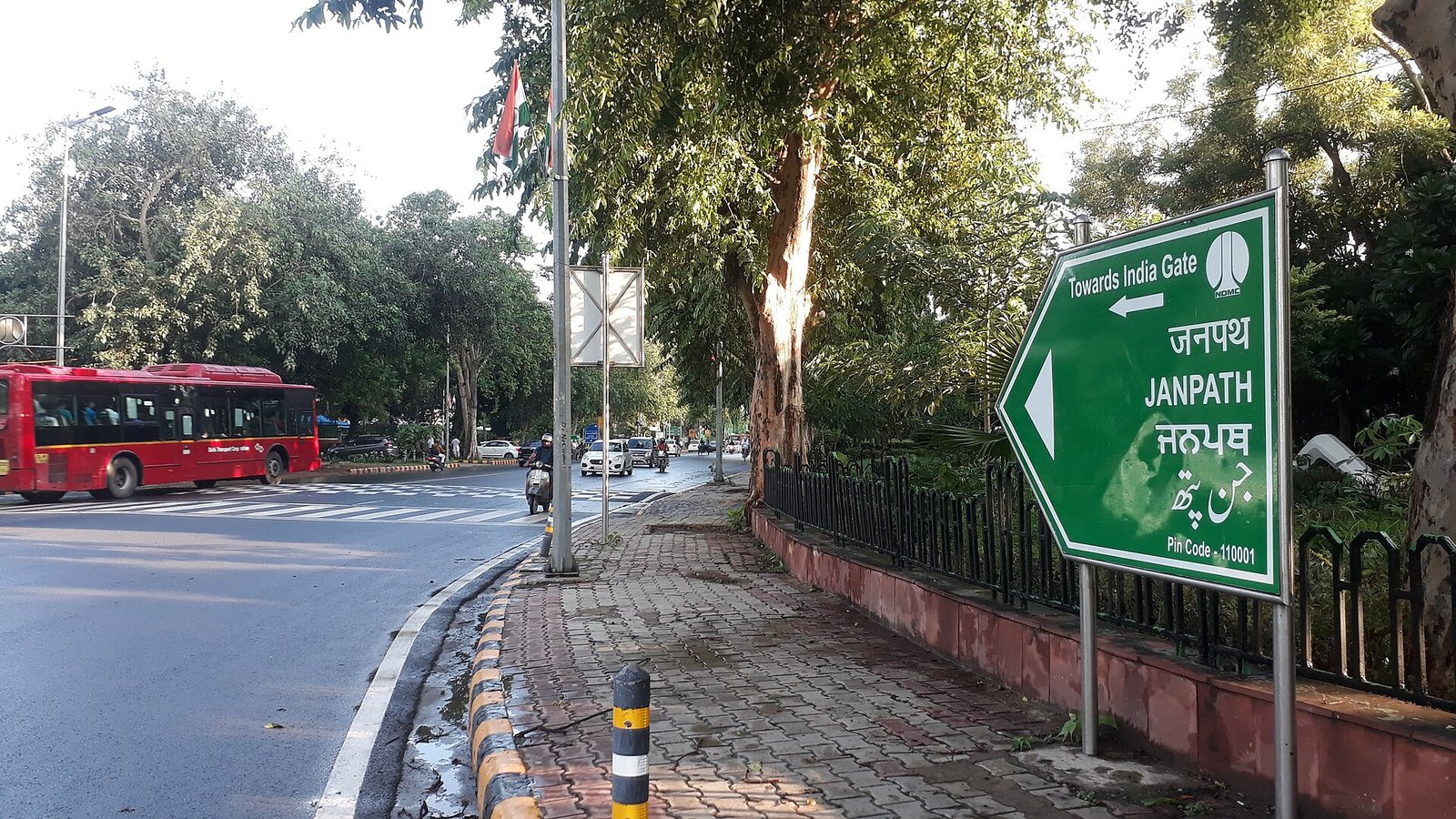
A mobile internet shutdown across the heart of New Delhi, imposed from 10 pm on Friday until Saturday evening, brought digital payments, app-based rides and deliveries to a near halt as security forces locked down the area ahead of the Cockroach Janta Party’s (CJP) protest against the Chief Election Commissioner. The curbs covered a 4-km radius centred on the crossing of Janpath and Kartavya Path.
It was the geographically largest internet restriction in the capital since the protests against the Citizenship (Amendment) Act in 2019. By Saturday evening, data services had been at least partly restored in some parts of central Delhi.
Cashless city goes offline
With mobile data cut, digital payments worked only where shops or restaurants had Wi-Fi. Gig workers who needed data to accept orders or close a trip were stuck, and navigation apps lost their live traffic information, sending users on long detours around Lutyens’ Delhi even after some roads had been cleared. Enforcement also appeared uneven, with some subscribers of one telecom operator reporting access until late afternoon.
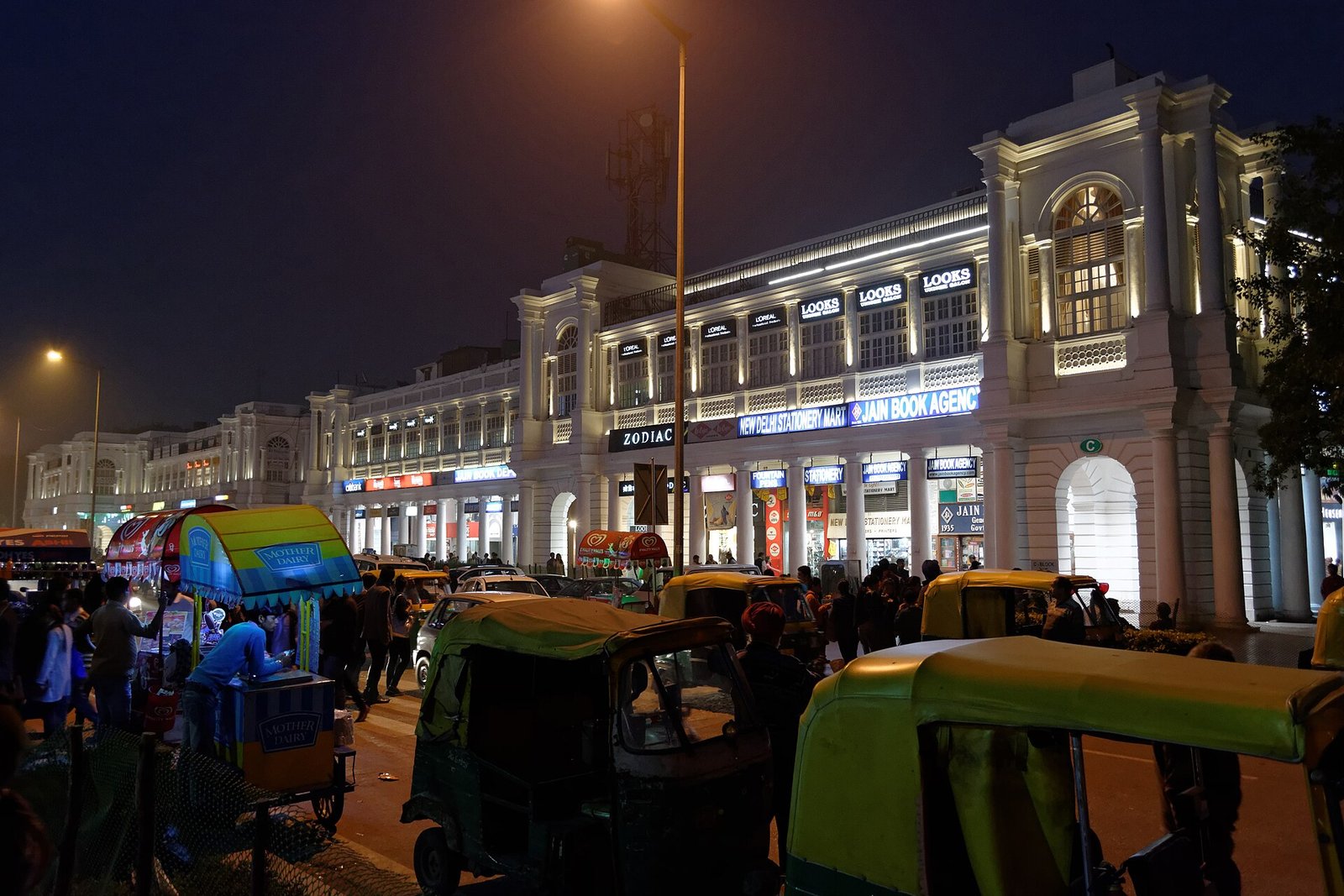
Autorickshaw drivers around Connaught Place said bookings dried up. One driver who usually makes 30 to 40 trips a day in the area said he had received none. Tourists arriving with luggage struggled to reach hotels inside the restricted zone; near Shivaji Stadium metro station, a couple said police asked for proof of their booking, which they could not open without the internet.
Workers turned back at barricades
Multiple layers of barricades on roads into central Delhi allowed through mainly people carrying government or work ID cards. Construction labourers were turned back at checkpoints near India Gate and Nizamuddin, and an electrician who said he earns about ₹9,000 a month told reporters he would lose a day’s pay. A trade union leader from the Centre of Indian Trade Unions said daily-wage and gig workers were the worst hit by the clampdown.
Rail passengers faced similar trouble. The railways cancelled or rescheduled more than 250 trains at New Delhi and Hazrat Nizamuddin stations, saying the security arrangements would make it hard for people to reach or leave them. Stranded travellers said they paid double or triple the usual fare for autos and replacement tickets.
Questions over the order
The Internet Freedom Foundation condemned the shutdown, saying the order had not been published even though the rules require it, and that the communication circulated was marked “Top Secret”.
The government has placed no evidence before the public that a shutdown makes a protest safer.
Internet Freedom Foundation
There were also signs of online blocking. The Congress Seva Dal’s account on X was withheld in India, and the organisation’s chief organiser said his Instagram handle had been blocked and that he would challenge it in the Delhi High Court.
What happens next
The CJP has called another march to Jantar Mantar on Sunday morning, and Delhi Police have announced traffic diversions from 6 am. Authorities have not said whether mobile internet curbs will be reimposed, so commuters and businesses in central Delhi are bracing for a second day of disruption.