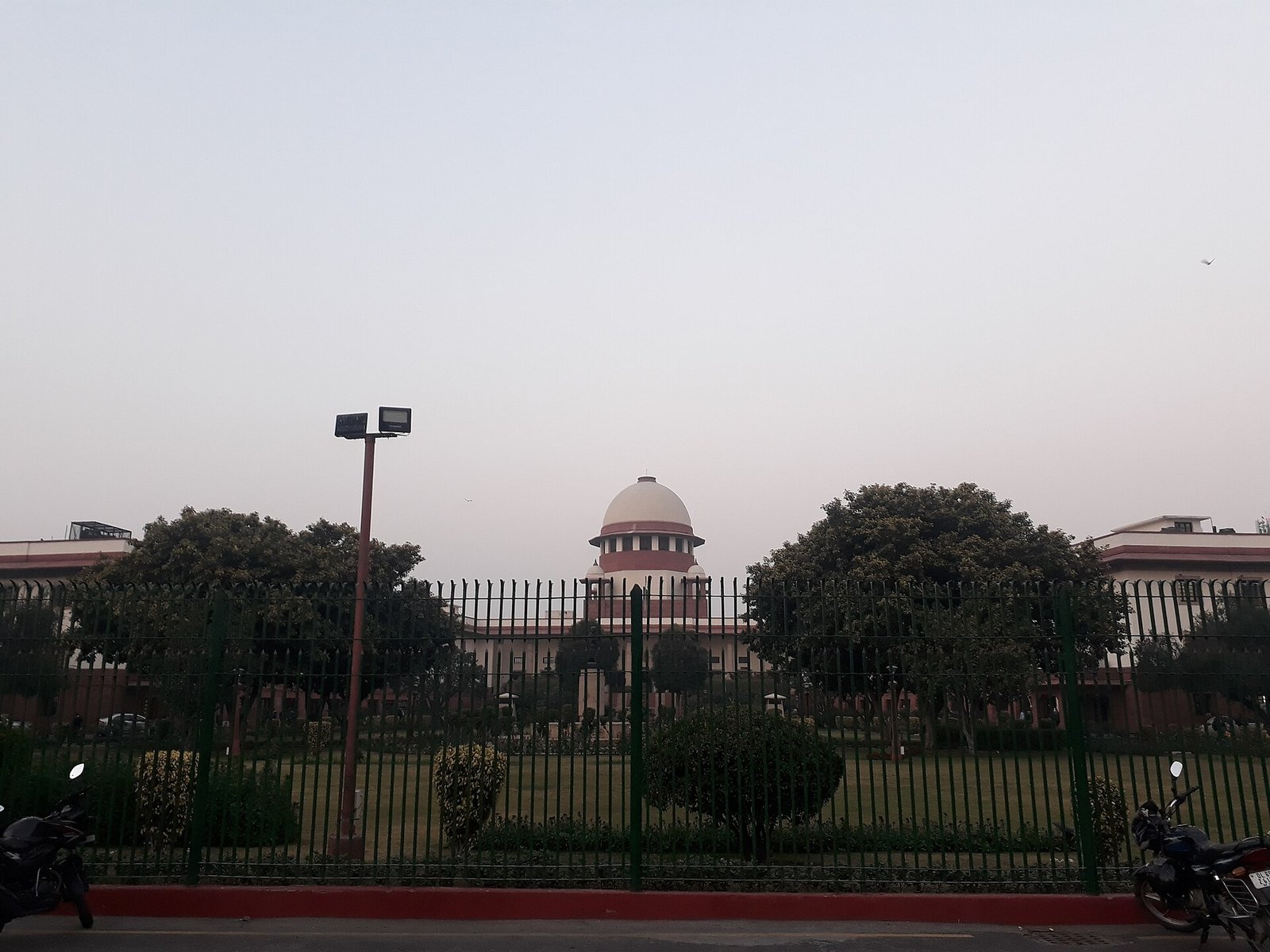
Photo: Pinakpani / Wikimedia Commons, CC BY-SA 4.0
The Supreme Court on Thursday, October 29, said banks and other financial institutions should be made to compensate victims of “digital arrest” scams for at least the full amount they lost whenever the fraud is traced to a failure of due diligence on the institution’s part. A bench of Chief Justice Surya Kant and Justices Joymalya Bagchi and V. Mohana said the Reserve Bank of India’s upcoming anti-fraud rules must make this mandatory, and that it would examine those rules before they are notified.
What the court wants from banks
In its order, the bench said the regulatory measures being drafted by the RBI must require financial institutions to indemnify victims of digital arrest or cyber fraud with compensation not less than the customer’s loss, where the crime results from the institution’s lapse. It also said three safeguards must be compulsory for every financial institution: temporarily holding any transaction that is out of line with an account’s past pattern, automatically reporting such transactions, and physically verifying them before the money moves.
The Chief Justice said liability cannot stop with individual bank officers. He questioned why banks that settle large loan defaults through one-time settlements should not be held accountable to scam victims, and remarked that unless there is a penal direction, banks “will never mend their ways”. He also said the problem was that bank employees were involved, and asked whether the RBI was soft-pedalling the issue by consulting the very banks the court wanted action against.
The amount will remain intact. The bank will have to pay. That is the only way.
Chief Justice of India Surya Kant
Frustration over a fraud that keeps growing
In a digital arrest scam, fraudsters pose as police, investigators or judges over video calls, convince victims they are under investigation, and pressure them into transferring their savings. The court described it as the biggest financial fraud in the country’s history and said over ₹800 crore had been lost this year. The Chief Justice also wondered aloud why educated people still believed they could be detained over a phone call, despite repeated public warnings.
Attorney General R. Venkataramani, appearing for the Centre and the RBI, cautioned against haste, saying such measures need consultation with stakeholders. He told the court that the proposed RBI (Know Your Customer) Amendment Directions, 2026, would be notified by November 30 and put into effect by December 31. He said digital arrest cases had fallen by about half this year, and that money had been restored in over 11 lakh cases.
Senior advocate Kapil Sibal, appearing for WhatsApp, said the platform had banned about 9,400 suspicious accounts on its own and was building tools to detect accounts impersonating officials. The court allowed the company to join the case.
What happens next
The matter is a suo motu case the court took up after a senior citizen couple reported losing ₹1.05 crore to impersonators who used forged judicial orders. The bench has asked the RBI to list the financial institutions covered by its framework, and directed the police chiefs of all States and Union Territories to report on registered cases, the status of investigations and prosecutions, and preventive steps. The case will be heard next on November 30, the same date by which the RBI’s new rules are due.