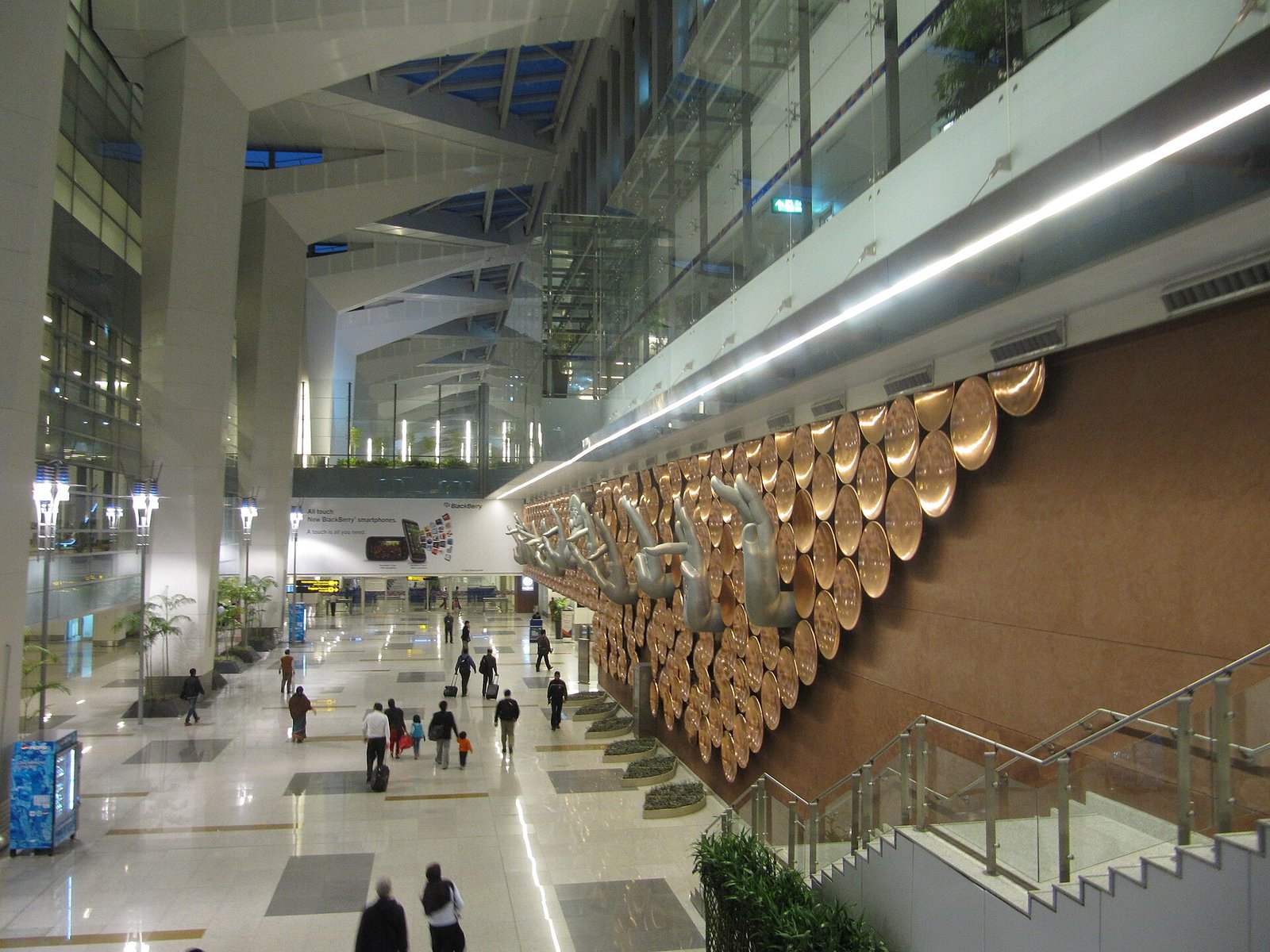
Photo: PDXDUS / Wikimedia Commons, CC0
The Centre has changed how boarding passes are issued to passengers who switch from a domestic flight to an international one on a partner airline, a month after three foreign nationals flew out of Delhi without going through immigration. Under the revised procedure, travellers on interline and codeshare itineraries will receive the boarding pass for their onward international flight only at the connecting airport, after they clear immigration, rather than at the airport where their journey begins, according to officials aware of the decision.
What changes for passengers
The new rules draw a clear line between two kinds of connections that had been handled in similar ways:
- Interline and codeshare journeys (for example, a domestic Air India flight connecting to a flight run by a partner foreign airline): the second boarding pass will now be issued at the hub after immigration. Checked baggage will still be tagged through to the final destination at the first airport.
- Air India’s hub-and-spoke connections, where passengers complete immigration at the smaller originating airport: both boarding passes will continue to be issued at the start of the journey, with the passes marked with the “I” indicator, officials said.
Officials said Delhi airport has opened extra counters to handle the new process and airlines have put more staff at boarding gates and transfer areas. The changes were worked out after consultations between the government and the airline, they added.
What went wrong on September 4
The overhaul follows an incident in the early hours of September 4, when three Italian nationals flew from Amritsar to Delhi on an Air India flight and then boarded a Lufthansa flight to Munich without completing mandatory departure immigration. They had been given boarding passes for both flights at Amritsar.
Their trip was not covered by Air India’s hub-and-spoke arrangement, so they should have left the arrival area in Delhi and passed through immigration before their international flight. Instead, they were taken to the international-to-international transfer area, from where they reached the departure gates and boarded the flight. Air India and Lufthansa have an interline partnership that lets passengers book connecting flights on both airlines under a single ticket.
Why it matters
The lapse raised questions about how a domestic-to-international transfer could bypass one of the most basic border checks at the country’s busiest airport. The civil aviation ministry issued a show-cause notice to Air India and asked how the passengers were escorted into the transfer area and why the onward boarding pass was issued at Amritsar, which the hub-and-spoke procedure does not allow. The home ministry also called a stakeholders’ meeting on the incident, though officials said that meeting could not be held.
Before this permanent fix, authorities had told airline staff at Delhi airport to check the “I” and “D” markings on transfer passengers’ boarding passes more closely as an interim step.
What happens next
Airlines and airport operators are now aligning their check-in and passenger verification systems with the revised procedure. Passengers booked on interline or codeshare connections through Indian hubs should expect to collect their onward boarding pass at the transfer airport after immigration.