Photo: Bernard Gagnon / Wikimedia Commons, CC BY-SA 4.0
A glacial lake in northern Bhutan burst its banks on Thursday night, sending a flash flood down the river system that becomes the Sankosh in India and putting districts in West Bengal and Assam on high alert. Authorities in Bengal’s Alipurduar district said on Friday that more than 10,000 people had been moved to relief shelters or safer ground as a precaution.
Damage in Bhutan
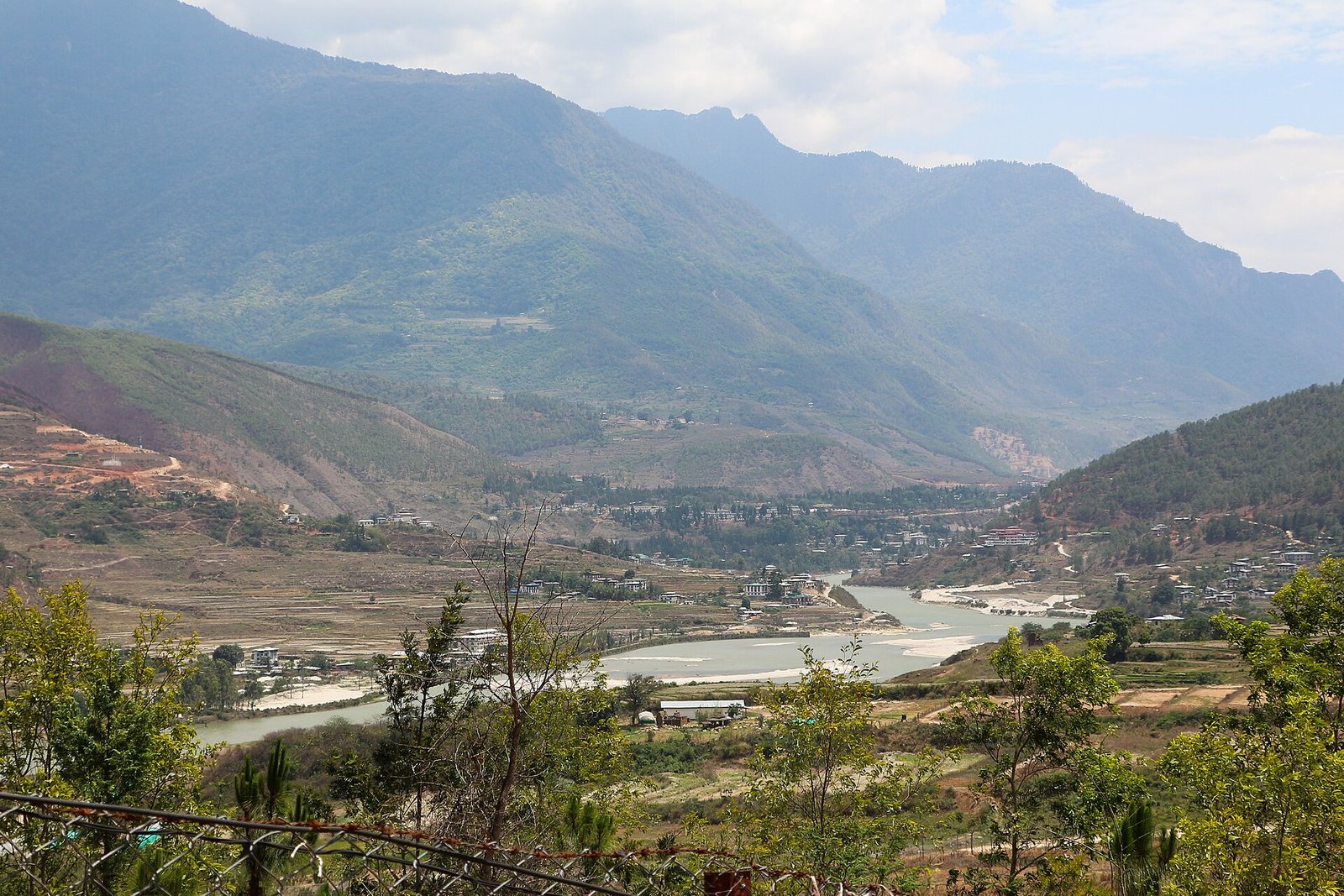
According to Bhutanese media, the outburst happened at Shintaphu lake, which lies below Wakila mountain in the Laya area of Gasa district and is counted among the country’s potentially dangerous glacial lakes. Water from the lake poured into the Mo Chhu and onward into the Punatsangchhu, the river known as the Sankosh once it crosses into India.
The state broadcaster BBS said no deaths or injuries had been reported. The flood swept away facilities at the Gasa Tshachu hot springs, a popular tourist spot, and two Bailey bridges, the prefabricated steel bridges common in the mountains, may also have been lost. The full scale of the damage could not be assessed overnight because of the darkness and the force of the water. A stretch of the road to Laya village was washed away and the route has been shut indefinitely, though the area had been cleared before the water arrived. The same hot springs were hit by a flash flood in 2021, when the Mochhu changed course.
Shelters and red alert in north Bengal
The Union Jal Shakti ministry issued a special advisory after the Indian Embassy in Bhutan reported the flood. It warned that water levels could rise suddenly in Alipurduar in West Bengal and Dhubri in Assam, with the surge expected to reach the border in six to eight hours, and asked local officials to stay alert and take precautions.
Alipurduar police chief Amit Kumar Shaw said 4,000 to 5,000 people had been housed in school buildings turned into relief centres and more than 6,000 others shifted to safe areas. A red alert is in force for the Sankosh, the State Disaster Response Force has been deployed and a National Disaster Response Force team was on its way. He said the flow had eased slightly, but warned that the water could bring down debris such as logs and chunks of concrete.
There is absolutely no need to panic. The situation is currently under control. We are in constant touch with the authorities in Bhutan.
Amit Kumar Shaw, Alipurduar Superintendent of Police
State minister Nisith Pramanik urged people living near tea gardens and riverbeds in Cooch Behar and Tufanganj to move out, while forest minister Manoj Kumar Oraon flagged forest villages and tea estates along the river in Kumargram block. Darjeeling MP Raju Bista asked residents of the hills, Terai and Dooars to stay alert.
Assam watches Dhubri and Kokrajhar
In Assam, Chief Minister Himanta Biswa Sarma said vulnerable revenue circles in Dhubri and Kokrajhar were being monitored and that teams were in touch with the NDRF. A spokesperson for the state disaster management authority said the Sankosh was flowing at a steady level as of 6.30 am on Friday.
Why it matters
Glacial lake outburst floods are a growing worry across the Himalayas as warming swells meltwater lakes held back by loose debris. The alert comes two months after a massive glacier collapse in Nepal in August set off flash floods that killed more than 1,400 people. Officials in Bengal said they would reassess the situation over the next few hours as the floodwater moves downstream.