Photo: John Hill / Wikimedia Commons, CC BY-SA 4.0
Indian and Chinese troops are still locked in face-offs at several places along the border in Arunachal Pradesh, the head of the Indo-Tibetan Border Police (ITBP), Shatrujeet Kapur, said on Thursday. It is the first time a senior official has publicly confirmed the confrontations that have been reported from the state since July.
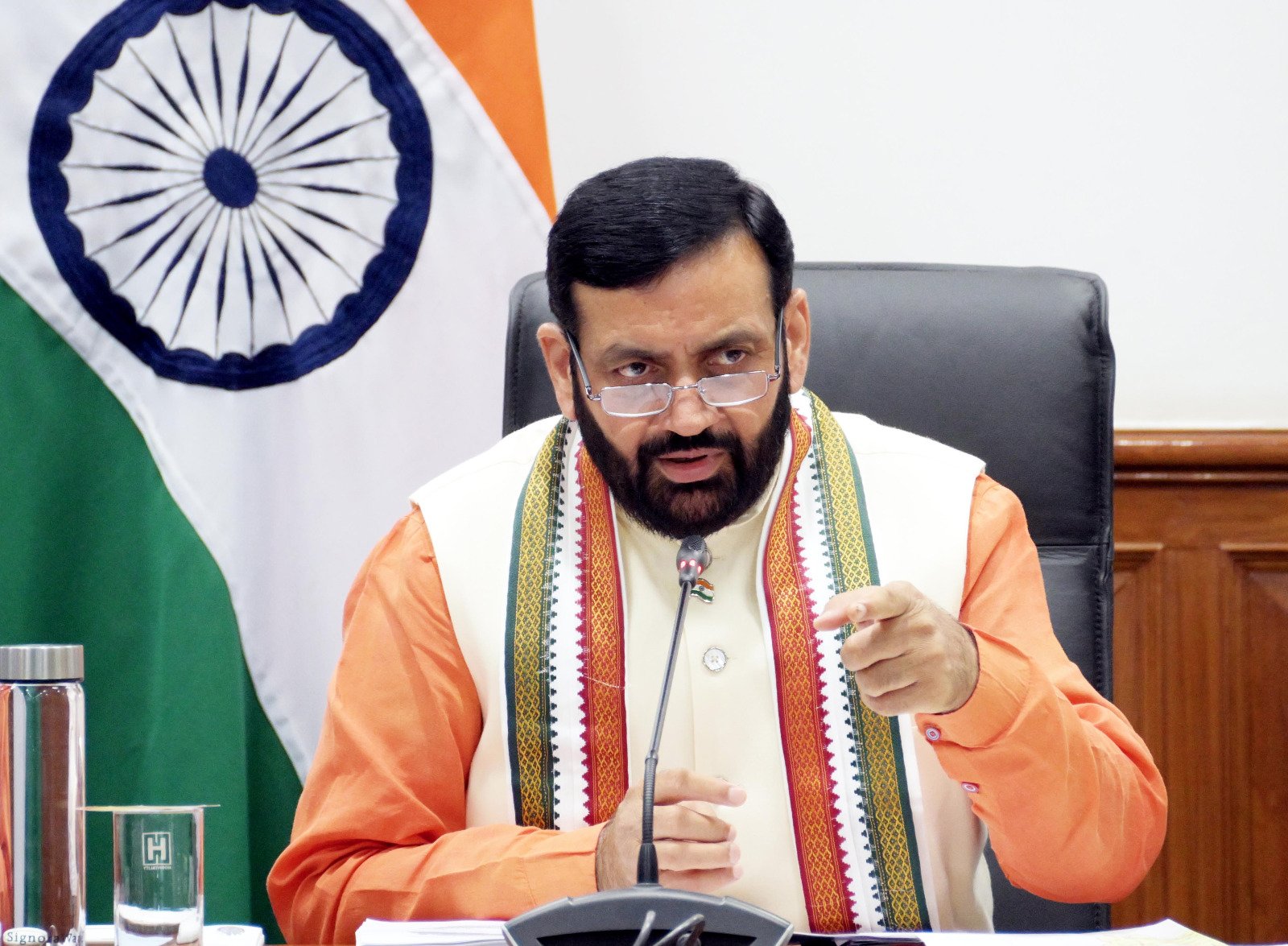
Mr Kapur was speaking at the Himveer Samman Samaroh, the force’s annual awards ceremony, at its Central Training College in Alwar, Rajasthan, held in the run-up to the ITBP’s raising day.
What the ITBP chief said
In the past few days, a situation arose where face-offs happened at several locations in Arunachal, and it still continues.
Shatrujeet Kapur, Director General, ITBP
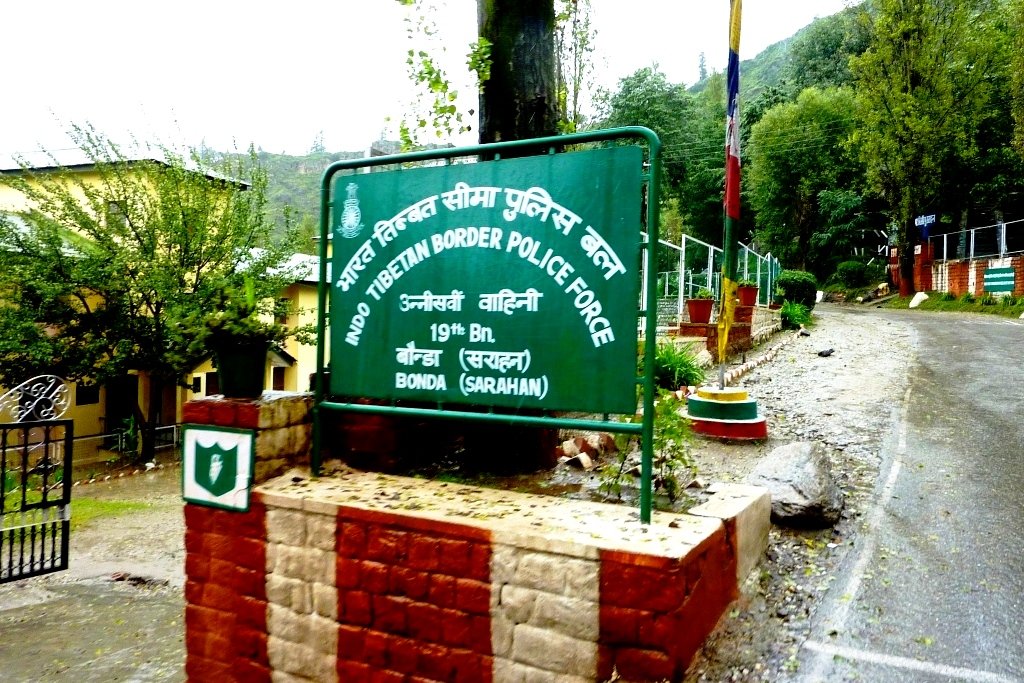
He did not name China directly, but credited the force’s newly raised Shaurya commando teams with an “exemplary” role in handling the situation. The ITBP, he said, began as a mountain guerrilla force and took over guarding the China border in 2004, and it is now building a specialised high-altitude fighting force that is separate from the Army. Every battalion already has one commando team, two more are being formed so that each battalion gets a full commando company, and a dedicated Shaurya commando battalion is being planned.
A stand-off since July
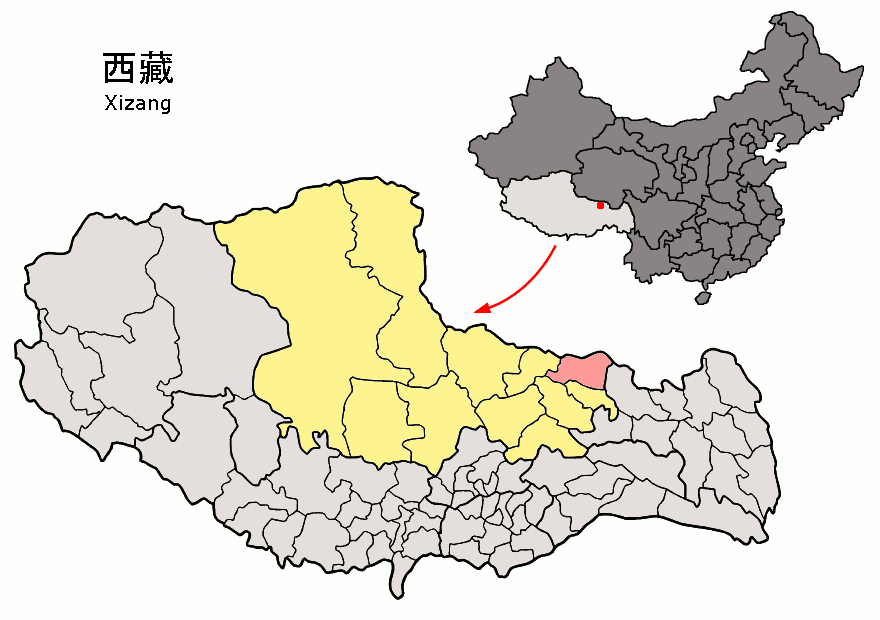
Government sources have said the stand-off centres on Asaphila near Taksing in Upper Subansiri district. According to them, Indian and Chinese patrols came face to face near the Maja company operating base in July; both sides pulled back after a brief confrontation, but People’s Liberation Army troops returned in larger numbers days later and pitched tents roughly 6 to 7 km inside the Line of Actual Control (LAC) as India sees it. India has since increased its own deployment, and troops remain in the area in large numbers to prevent escalation.
The situation has persisted despite a run of talks. The two sides held a WMCC border affairs meeting on August 6, Special Representatives talks in Beijing on August 26 led on India’s side by National Security Adviser Ajit Doval, and, on September 6, their first Corps Commander-level meeting in the Eastern Sector, at the Wacha-Damai border meeting point. Chinese President Xi Jinping also attended the BRICS summit in India from September 11 to 13.
Drones and underground shelters
Mr Kapur, who is due to retire on October 31, said the force’s weapons were decades old and that China could not be matched by traditional methods alone. He said 70% of a ₹400 crore modernisation fund had gone into drones, every border battalion now has a drone platoon, and ₹1,000 crore of a separate ₹3,500 to ₹4,000 crore scheme has been set aside for drones. He added that border outposts will build as many underground shelters as structures above ground over the next three years, starting with pilot projects.
Political reaction and what comes next
The Congress seized on the remarks. Party MP Jairam Ramesh said on X that there had been a “deafening silence” from the Prime Minister on the face-offs, and the party has demanded that the government explain reports that Indian patrols were blocked in parts of the state.
With the patrolling season in Arunachal running from June to October, the next round of military and diplomatic talks will be watched closely for any sign of disengagement before winter sets in.