Large parts of Gurugram, Faridabad and Nuh have been without electricity since Wednesday night after power department employees across Haryana walked off the job in protest against a private company being allowed to distribute electricity in Gurugram and Nuh. With repair crews absent, faults on feeders have gone unfixed, and officials said more than 3,000 outage complaints reached the department within 12 hours.
Homes, factories and water supply hit
In Gurugram, residential colonies fell back on generators once inverter batteries ran down, and some neighbourhoods reported trouble getting drinking water because pumps could not run. Residents said stored water in overhead tanks would last only a few hours. Deepak Maini, chairman of the Progressive Federation of Trade and Industry, said Sector 37 had been without power since 10 pm on Wednesday, and industrial pockets in Kadipur and Basai were also affected. Hundreds of units have halted production, he said, warning of losses running into crores of rupees.
In Faridabad, residents of the New Industrial Township-2 area blocked a road demanding that supply be restored, before police persuaded them to disperse. In Nuh, Punhana, Nagina and Firozpur Jhirka were among the areas hit. Gurugram Deputy Commissioner Uttam Singh met the employees late into the night, but the talks ended without an agreement.
The disruption is not limited to the NCR districts. Industry bodies reported outages in Karnal, Ambala, Panipat and Bahadurgarh, where about 2,200 to 2,300 units in three industrial sectors were said to be affected. Industrialists pointed out that pollution rules have pushed many factories to give up diesel generators, and that generator power costs several times the grid rate, leaving many units with no option but to shut during the festive season.
Why the employees are striking
The protest was called by the Haryana Bijli Karamchari and Engineers Joint Sangharsh Morcha after the Haryana Electricity Regulatory Commission (HERC), in an order dated October 19, granted Eleven Power Private Limited a 25-year parallel distribution licence for Gurugram and Nuh districts under the Electricity Act, 2003. The private firm would supply power alongside the state-owned Dakshin Haryana Bijli Vitran Nigam (DHBVN). The unions say about 40,000 employees have joined the three-day strike, with support from farmer groups and central trade unions.
Joint Front leader Devender Singh Hooda said the staff were not striking for better pay or allowances, but to keep power distribution in public hands. He expressed regret for the hardship caused to consumers and appealed to farmers and the public to back the demand that the licence be revoked.
Union leaders argue that a private licensee could pick off profitable commercial consumers in Gurugram, leaving the state utility to serve farmers and rural households and pushing up costs for them. Opposition leaders have taken up the same line, with INLD’s Sampat Singh calling on the Chief Minister to use the state’s powers under the Act to halt the licence.
Government says it will appeal
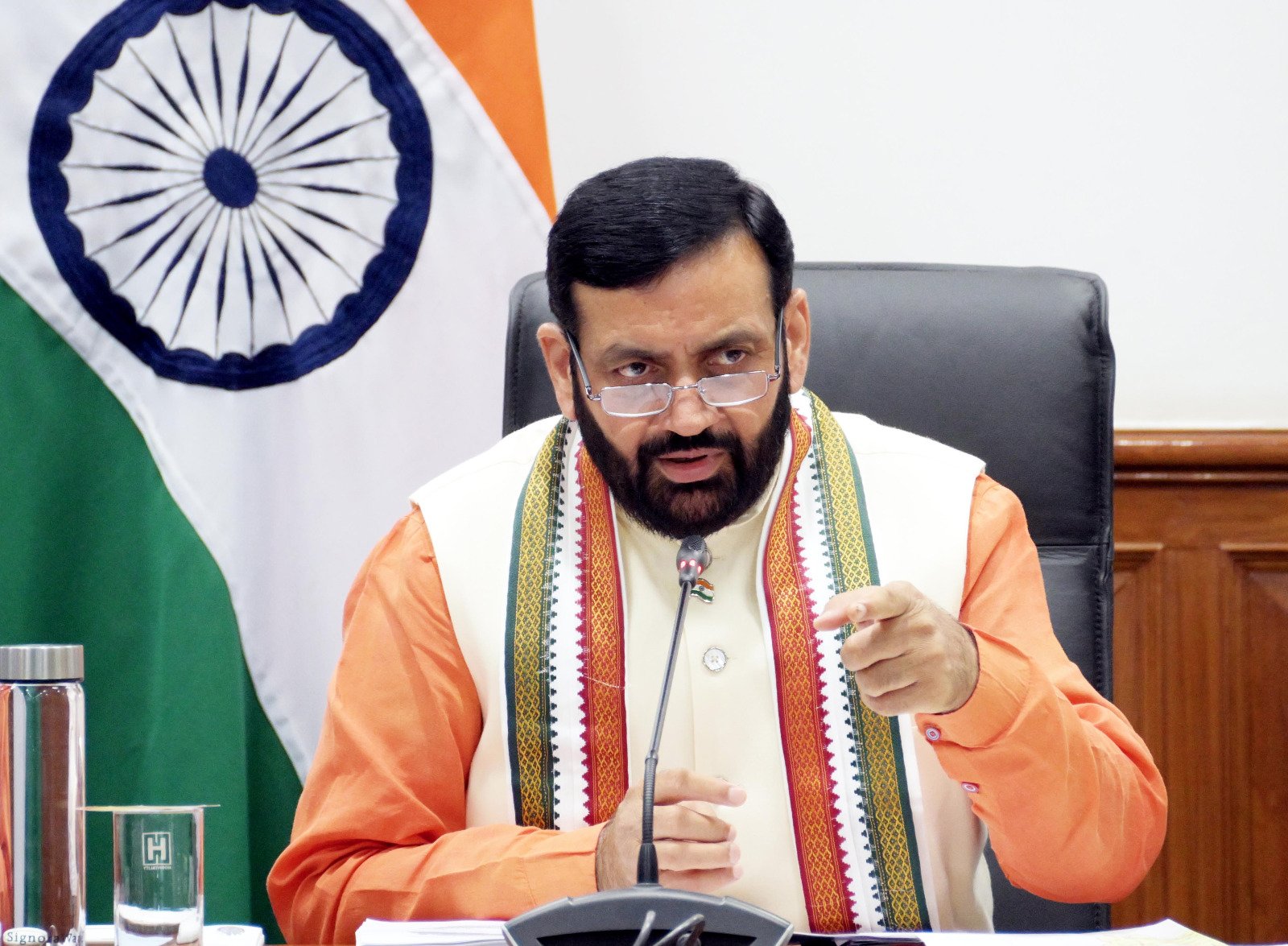
Energy Minister Anil Vij called the strike unnecessary, saying the decision was taken by the regulator, an autonomous body, and that the government had itself opposed the licence. Chief Minister Nayab Singh Saini has said the state will challenge the order before the Appellate Tribunal for Electricity and seek an early stay, and has offered to hire lawyers trusted by the unions. Union leaders have alleged the government is bringing in technical staff from neighbouring states to blunt the strike.
What happens next
The strike is scheduled to run for three days, and some employee groups have warned it could become indefinite if the licence is not withdrawn. Restoration in the worst-hit areas is likely to depend on whether the government and unions reach a deal, or on how quickly the appeal before the tribunal is heard.