Photo: Francisco Anzola / Wikimedia Commons, CC BY 2.0
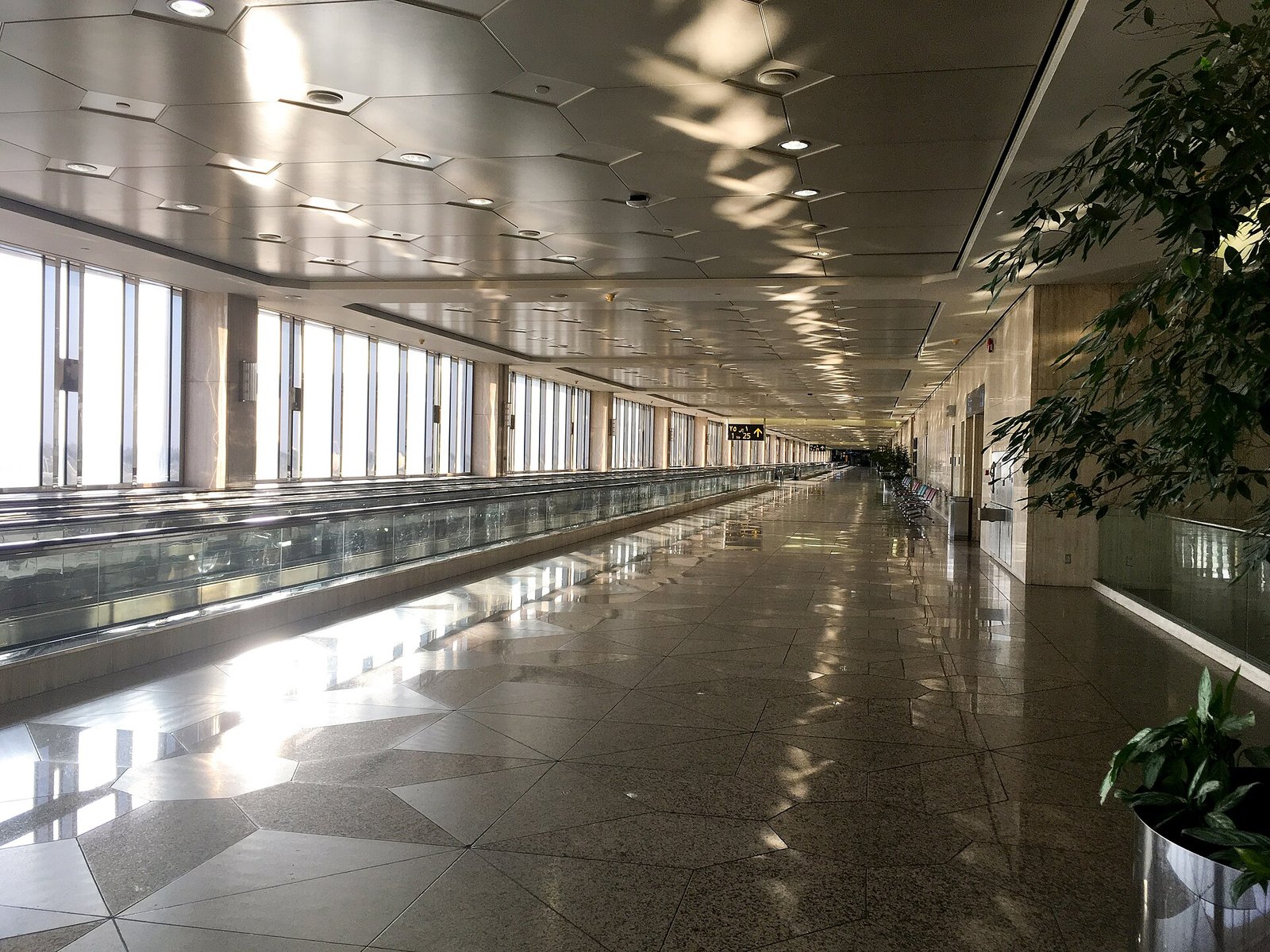
An Indian resident was one of two people killed when King Fahd International Airport in Dammam, in Saudi Arabia’s Eastern Province, came under attack on Wednesday evening (October 21), Saudi authorities said. Two more Indians were among the eight people injured. On Thursday, India strongly condemned the string of strikes on Saudi civilian and energy sites and said such attacks “must cease immediately”.
What Saudi authorities said
The kingdom’s General Authority of Civil Aviation initially reported one death and eight injuries, then raised the toll to two. It said the dead were a Saudi citizen and an Indian resident, and that the injured included Saudi, Indian, Yemeni, Bangladeshi and Nepali nationals. The authority did not say what kind of weapon hit the airport, which it later said had resumed normal operations.
On Thursday, Yemen’s Iran-aligned Houthi movement said it had launched attacks on the Dammam airport, Saudi Arabia’s Defence Ministry in Riyadh and Saudi Aramco facilities in Yanbu. Saudi Arabia did not immediately confirm any strikes in Riyadh or Yanbu. The Dammam attack came hours after debris from a drone intercepted over Aramco’s Shaybah oil field killed a Nepali and a Filipino worker and injured an Indian and a Pakistani.
India’s response
In a statement, the external affairs ministry named both the Dammam airport and the Shaybah oil field, called the attacks on civilian and critical infrastructure “completely unacceptable”, and expressed solidarity with Saudi Arabia in safeguarding its sovereignty. It offered condolences to the family of the Indian who died and said the embassy in Riyadh was in touch with Saudi authorities and helping those affected. The embassy said earlier that it was still gathering details and reaching out to the families; the victims have not been named.
We stand in solidarity with the people and the Government of the Kingdom of Saudi Arabia in safeguarding its sovereignty, and hope that peace and normalcy would return to the region at the earliest.
Ministry of External Affairs
Stranded Umrah pilgrims
The ministry also took up the problem of Indian pilgrims left stuck in Saudi Arabia after Indian airlines suspended flights because of the fighting. AIMIM chief Asaduddin Owaisi said about 4,000 Umrah pilgrims were stranded in Makkah, Madina and Jeddah, and that many had been left without help by their travel agents. Ministry spokesperson Randhir Jaiswal said the embassy in Riyadh and the consulate in Jeddah were working with airlines and tour operators. He said about 3,000 stranded pilgrims had flown home on available flights over the past week, along with more than 10,000 others whose travel was not disrupted, and that arrangements for the rest were being discussed.
Why it matters
More than 10 million Indians live in West Asia, many of them working at oil fields, airports and other infrastructure that has now become a target. According to the government, 19 Indians, including 11 seafarers, have been killed in the region since the conflict began in February with US and Israeli strikes on Iran. An Indian was also among the 13 people killed in the October 10 missile strike on Riyadh’s King Khalid International Airport.
The fighting between the Houthis and the Saudi-backed Yemeni government flared again in July, when a long informal truce broke down. Saudi authorities say at least 21 people have been killed in Houthi attacks on the kingdom’s airports since the start of October. The Houthis say they are retaliating for Saudi air strikes and what they call a blockade of the areas they control. Tension rose further on Wednesday when the US ordered non-emergency diplomats and their families to leave Saudi Arabia.