Photo: Atulburnwal / Wikimedia Commons, CC BY-SA 3.0
The Delhi government will roll out 43 Delhi Jal Board (DJB) projects worth about ₹8,941 crore on October 22, aimed at stopping untreated sewage from flowing into the Yamuna. Union home minister Amit Shah will open 10 completed projects worth ₹2,827.1 crore and lay the foundation stones for 33 more costing ₹6,114.1 crore, Delhi water minister Parvesh Verma told reporters on Monday.
The launch is planned near the Urban Extension Road-2 in west Delhi, close to the boundary of the Matiala and Najafgarh assembly constituencies, the minister said.
What the package includes
Most of the money goes into collecting and treating sewage before it reaches the river. According to the figures Verma shared, the package covers:
- A new 124 MGD sewage treatment plant at Okhla, estimated at ₹1,161 crore.
- Upgrades to eight existing treatment plants for ₹1,041 crore, raising their combined capacity from 78.2 MGD to 140.8 MGD. About 78.5 lakh people are expected to benefit.
- 29 decentralised sewage treatment plants and pumping stations in outer Delhi, costing ₹3,113.7 crore, to serve 358 unauthorised colonies and 113 villages with roughly 36.3 lakh residents.
- 1,034 km of new sewer lines worth ₹1,691 crore, meant for about 25.8 lakh people.
- A 477 MLD water treatment plant at Chandrawal (₹298.3 crore) that will replace units built in 1935 and 1955 and supply around 22 lakh people.
- A 4.5 km trunk drain in Mundka costing ₹225 crore.
Verma said the decentralised plants had been stuck for years and that the government had cleared land-related hurdles and pushed the projects forward over the past 18 months.
Cleaning the ghats shows our intent. Stopping sewage from reaching the river is the permanent solution. Every drop of sewage will be collected, treated and reused.
Parvesh Verma, Delhi water minister
Why sewage is the core problem
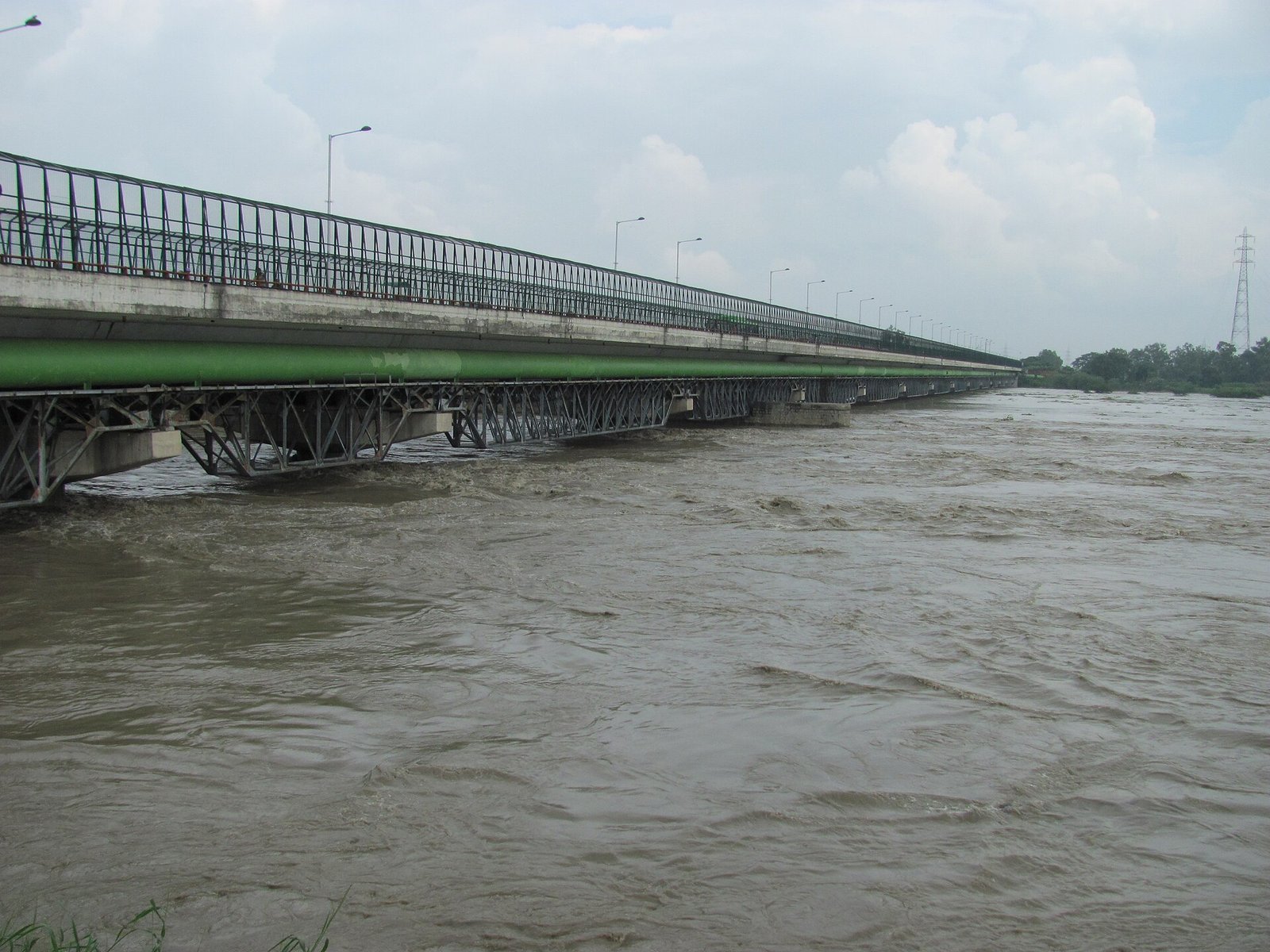
The Yamuna’s 22-km stretch through Delhi, from Wazirabad to Okhla, makes up only about 2% of the river’s length but carries the largest share of its pollution load. Twenty-two major drains empty into the river in the city, and the DJB still cannot treat all the sewage Delhi generates, so part of it reaches the river untreated.
Verma said the city would close its sewage treatment gap of about 250 MGD over the next two and a half years. He avoided promising a quick fix, saying the river would start looking relatively better in about 18 months and that people would see a drastic change in two and a half years, once the plants and pipelines are finished.
A clean-up drive a day earlier
The announcement followed the ‘Chalo Yamuna’ clean-up drive on October 18, when more than 35,000 volunteers cleaned 70 sites along both banks of the river, from Wazirabad and the Signature Bridge to ITO, Nizamuddin and Chilla. Verma said the volunteers included about 20,000 people from NGOs and other groups, 10,500 BJP workers and students from 27 Delhi University colleges. Chief Minister Rekha Gupta also took part.
According to the minister, the drive removed about 86,600 kg of waste, including 76,755 kg of dry waste such as plastic bags and religious offerings, and 9,850 kg of green waste and water hyacinth.
What happens next
After the October 22 launch, the main test will be whether the new plants and sewer lines are finished on schedule and actually connected to homes. Verma also plans special huts on the riverbanks where people can celebrate birthdays while volunteering at the ghats. He said he would celebrate his own there on November 7.