Photo: Email4mobile / Wikimedia Commons, CC BY-SA 3.0
At least 53 people were killed and more than 200 injured on Monday, October 19, when Yemen’s Houthi rebels fired ballistic missiles at a training camp for new security recruits in the government-held province of Shabwa, local authorities said.
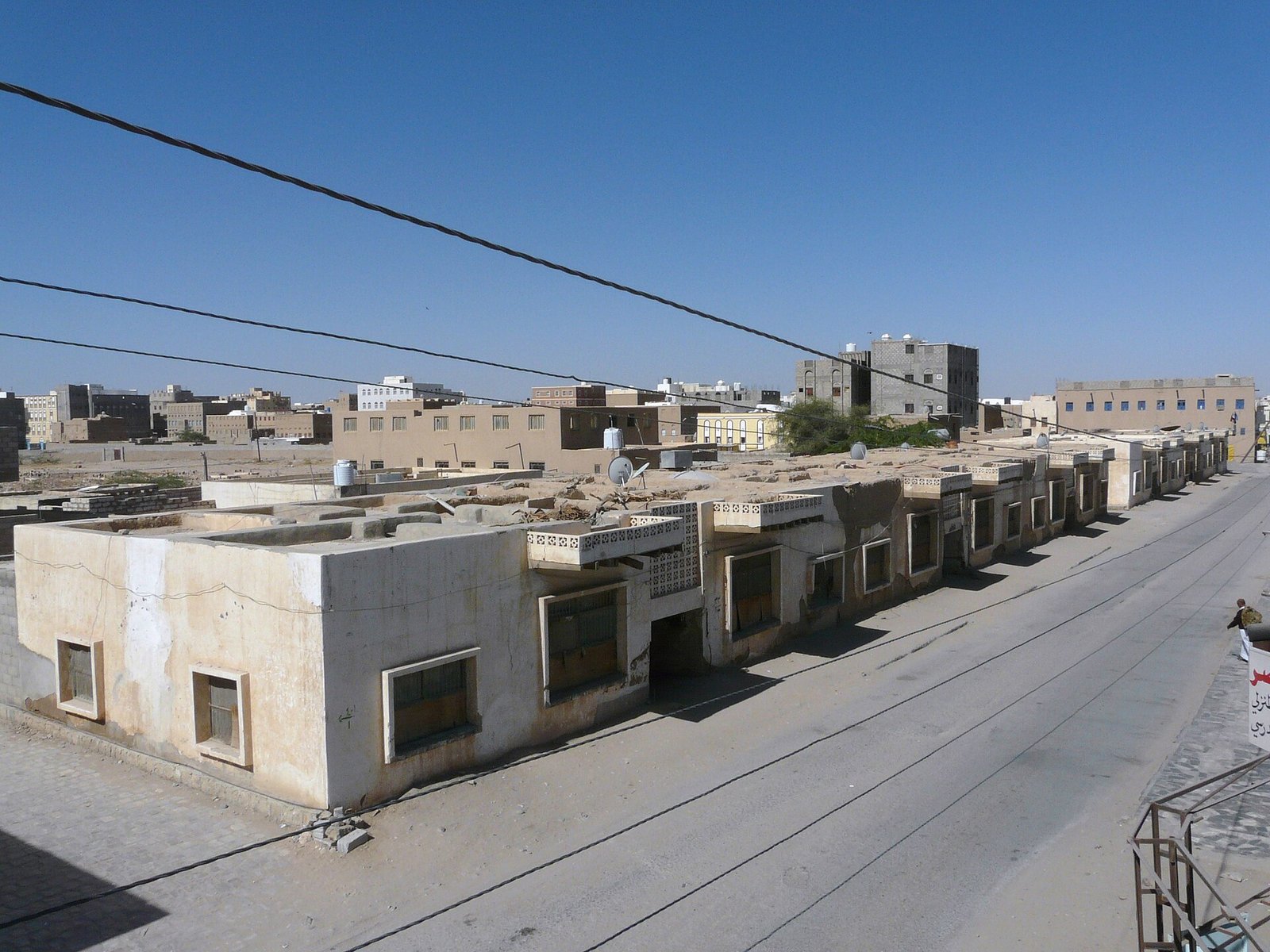
A spokesman for Yemen’s Saudi-backed armed forces said three missiles hit the al-Alam camp near Ataq, the provincial capital. The site housed the Martyr Ahmed al-Sulaimani Training Centre, where recruits drawn from several provinces were being trained for the internal security forces and the police.
Toll climbed through the day
Early figures from government officials and medical workers put the dead at 18, with more than 30 wounded. The numbers rose sharply later in the day, when Shabwa’s local administration said a preliminary assessment showed 53 recruits dead and over 200 hurt.
Shabwa’s deputy governor, Fahad al-Khalifi, said hospitals in the province were overwhelmed and that the most seriously injured had been moved to neighbouring Hadramout and to Aden, where the government is based. Some remain in a critical condition. Video from Ataq showed residents queuing at the city’s hospital to give blood for the wounded.
Government vows response; Houthis claim a Saudi target
Rashad al-Alimi, who heads Yemen’s Presidential Leadership Council, condemned what he called a criminal attack and promised a firm response.
Targeting recruits reflects the Houthi militia’s approach of resorting to terrorist attacks when under pressure.
Rashad al-Alimi, head of Yemen’s Presidential Leadership Council
Information Minister Moammar al-Eryani called the strike a war crime, arguing that a police training centre was not a military target. The Houthis’ military spokesman, Yahya Saree, said the missiles were aimed at a gathering of “Saudi enemy” forces at a camp he claimed was run by Saudi officers, and warned that any place hosting Saudi-backed forces would be treated as a legitimate target. There was no immediate comment from Saudi Arabia.
A war that has flared up again
Yemen’s civil war began in 2014, when the Iran-backed Houthis drove the government out of the capital, Sanaa, and a Saudi-led coalition intervened the following year. An informal truce had largely held for years, but it began to collapse in July, when the Houthis announced a “maritime embargo” against Saudi Arabia and started targeting Saudi airports, oil facilities and tankers. The wider regional war involving Iran this year added fuel to the conflict.
In September the Houthis seized territory on the Red Sea coast overlooking the Bab al-Mandab Strait. Government forces, backed by Saudi-led air power, launched a counter-offensive in early October, called “Dawn of Yemen”, that aims to retake Houthi-held areas including Sanaa. Heavy fighting continues on the coast, around the besieged city of Taiz and in Marib and al-Jawf provinces.
The government’s health ministry said last week that at least 1,282 people had been killed across Yemen since August 6. Houthi-run media said a Saudi air strike on a home in Saada province on Sunday killed at least 10 people, and the Houthi-run health ministry says 141 people have died in Saudi strikes over the past seven weeks. Inside Saudi Arabia, Houthi attacks on airports have killed at least 19 people since the start of October.
What happens next
Monday’s strike is among the deadliest since the latest escalation, and the government’s promise of retaliation points to further fighting. Saudi authorities sent alerts to residents of Riyadh on the same day warning of a hostile aerial threat, a sign that attacks across the border are also likely to continue.