Photo: Alacoolwiki / Wikimedia Commons, CC BY 4.0
French Interior Minister Laurent Nuñez tried to resign on Sunday after a day of rioting and looting swept through several French cities, but President Emmanuel Macron turned him down. The Élysée Palace said on Monday, October 19, that the president wanted continuity in the leadership of law enforcement at a time like this. Instead, Macron told Nuñez to be open about the planning and intelligence failures that allowed the violence and to bring in new ways of deploying the security forces.
On Monday, Prime Minister Sébastien Lecornu called his cabinet together for a crisis meeting on the unrest. The scenes on Saturday were among the worst public disorder in modern French history.
What happened on Saturday
Authorities said about 5.5 lakh people marched across France on October 17. Organisers put the figure closer to 8 lakh. The marches were against the rising cost of living and the state of schools and public services. Most were peaceful, but masked groups dressed in black moved in at Paris, Marseille, Lyon, Bordeaux and other cities. They clashed with riot police, smashed storefronts and attacked public buildings.
- Arrests: the interior ministry put Saturday’s arrests at nearly 2,400. Earlier counts had said at least 1,800. Paris police alone reported 855 arrests in the capital region.
- Injuries: about 1,000 police officers and gendarmes were hurt, seven of them seriously, according to the ministry.
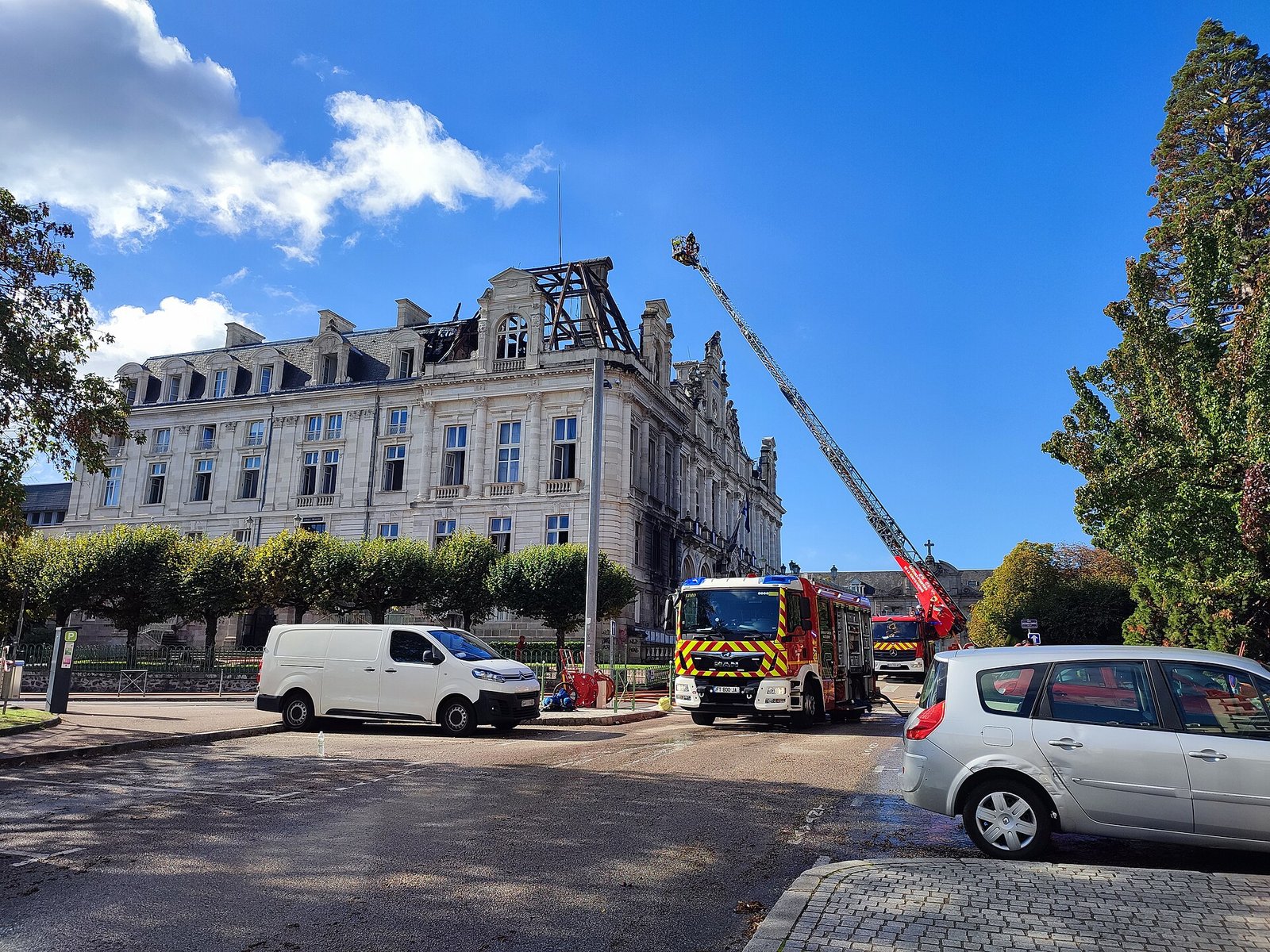
- Damage: an estimated 1,500 shops and businesses were looted or wrecked. In Limoges, the 19th-century City Hall caught fire and its roof caved in. The local prefect said the fire was set deliberately.
- A death: Paris police said one person died of a heart attack. Prosecutors have opened an investigation.
Pressure on the government
Opposition politicians, some trade unions and critics on social media accused Nuñez of going into a day of scheduled, nationwide protests with too few officers and too little preparation. Yaël Braun-Pivet, the speaker of the National Assembly, said she wants an inquiry into what went wrong.
Macron spoke to the nation on television on Sunday. He said he shared the public’s “anger” and “shame” and that looters would have to pay for the damage they caused. He blamed the violence on insurrectionist elements from radical far-left groups who were joined by criminals. He asked prefects to work with mayors to protect public buildings and shops, and to ban protests where needed. He also promised a crisis unit to get urgent help to people who suffered losses.
Those who looted will have to pay back for the damage, and those who sought to bring down the Republic will be held accountable.
Emmanuel Macron, President of France
Critics said the speech was short on specifics. Sophie Binet, head of the CGT union, said the president had ignored students’ demands and the cost-of-living crisis. Far-left leader Jean-Luc Mélenchon said the government alone was responsible for failing to keep order. Far-right figure Jordan Bardella called the address “lamentable” and “cowardly”. US President Donald Trump posted that “France is burning” and blamed immigration. French authorities have not linked immigrants to the rioting.
What comes next
The protests started last month over conditions in schools and grew into a wider movement over prices and public services. The government may get a short break, because students begin their half-term holiday this week. But trade unions and activists from the 2018 “yellow vest” movement have called another round of large protests for November 5.
The unrest also feeds into the race for next spring’s presidential election. With Macron on his way out, rivals on the left and the right are already using the riots to attack his government.