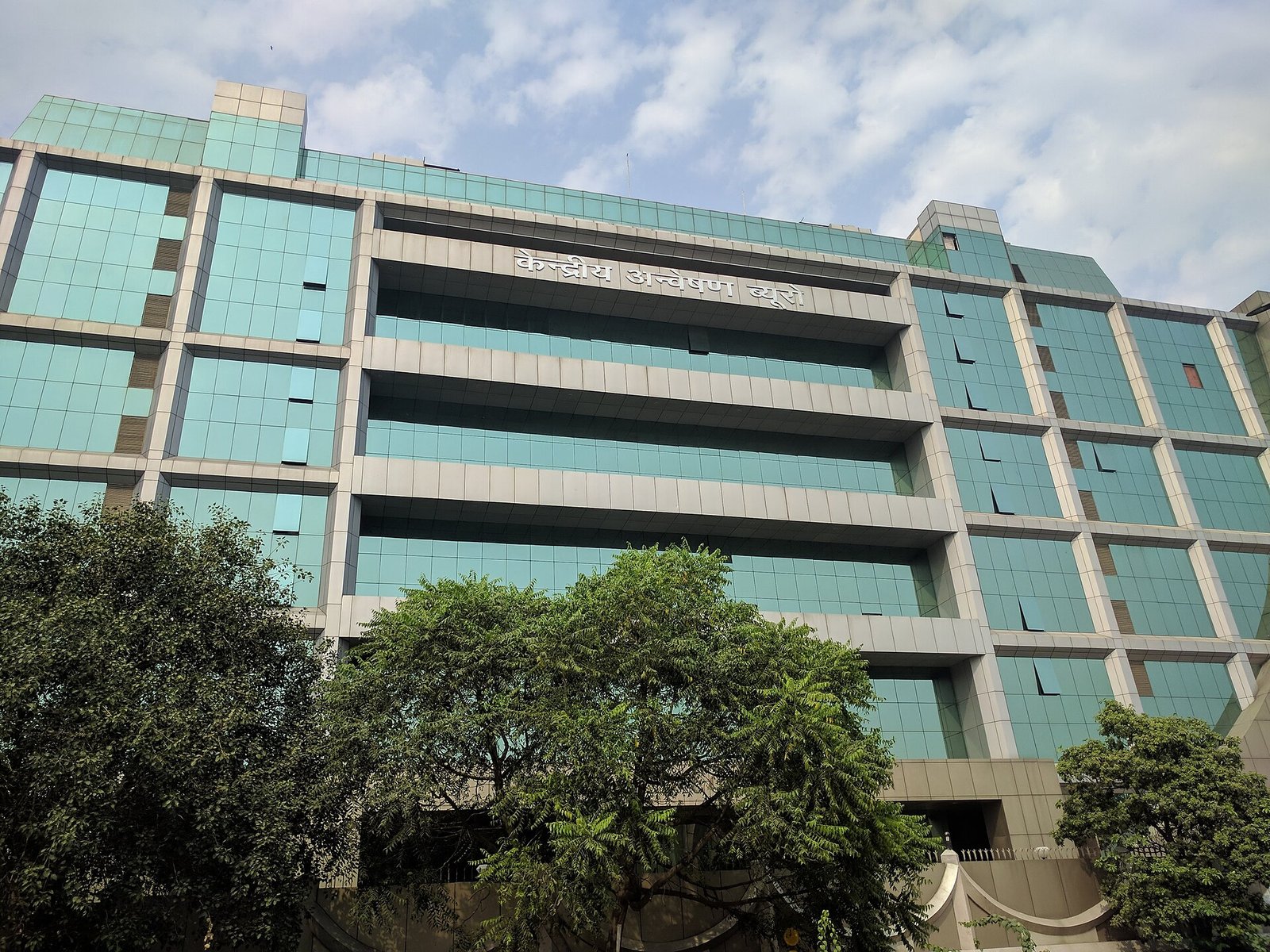
Photo: Pulakit Singh / Wikimedia Commons, CC BY-SA 4.0
The Central Bureau of Investigation (CBI) has told the Union education ministry that weak internal safeguards at the National Testing Agency (NTA) made the NEET-UG 2026 paper leak possible, and has proposed a set of reforms to keep it from happening again. The assessment, sent to the ministry late last month, came to light on Monday, according to officials familiar with it.
The report is a policy document rather than a fresh accusation. The agency has again found no criminal role for any NTA or government officer, and its case still rests on three outside subject experts who, it says, carried the questions out of the agency’s confidential wing.
Too many hands on the final paper
NEET question papers pass through several stages: experts write questions, moderators pick them for four sets, vetters solve those sets, and translators convert them into regional languages before others translate them back into English to check accuracy. According to officials, the CBI found that some experts worked across more than one of these stages and could see the finished question sets.
Investigators have argued that each stage should be handled by a different group of people, and that no single expert should be able to view the complete paper. Earlier filings said one of the accused had been involved in all four stages, from writing questions to back-translation.
No frisking, and CCTV footage that had already vanished
The report also points to basic security gaps at the NTA’s former office in the NSIC building in Okhla, where the confidential work was done. The agency has since moved to Minto Road. Experts were not frisked or checked with metal detectors when they entered or left the confidential section, and they were handed blank sheets for rough work. Investigators allege that the chemistry expert used such sheets to copy all 135 chemistry questions and their options onto small chits.
Surveillance was another weak point. The office kept CCTV recordings for only about 20 to 25 days and had no control room watching the live feed. Paper-setting ended on April 7, but the case was registered only on May 12, so footage from the crucial period no longer existed. The CBI has recommended full camera coverage of every area and storage of recordings for the entire exam cycle.
We have sent a detailed report to the Centre outlining procedural lapses in the exam process and recommending systematic changes.
A CBI officer, speaking on condition of anonymity
How the case unfolded
The NTA cancelled the May 3 exam after at least 120 questions in a so-called guess paper matched the real one. The fallout set off protests in Parliament and on the streets, led by young people under the Cockroach Janta Party banner, and eventually cost then education minister Dharmendra Pradhan his job. The CBI named 13 people, including the three experts, in its first charge sheet on July 28. A supplementary charge sheet last week added one more private individual, and officials said it concludes the probe.
What happens next
The recommendations land on a ministry that has already begun overhauling the agency. It removed 50 NTA staff on August 17, and the NTA says it has replaced 600 subject experts and brought in a four-tier scrutiny of question papers. A six-member task force led by Infosys co-founder Nandan Nilekani is separately studying technology and structural reforms. How many of the CBI’s suggestions are adopted before the next NEET cycle will be closely watched by lakhs of medical aspirants, while the case against the accused proceeds before a special court in Delhi.