Photo: Himanshu Arya Khowal / Wikimedia Commons, CC BY 4.0
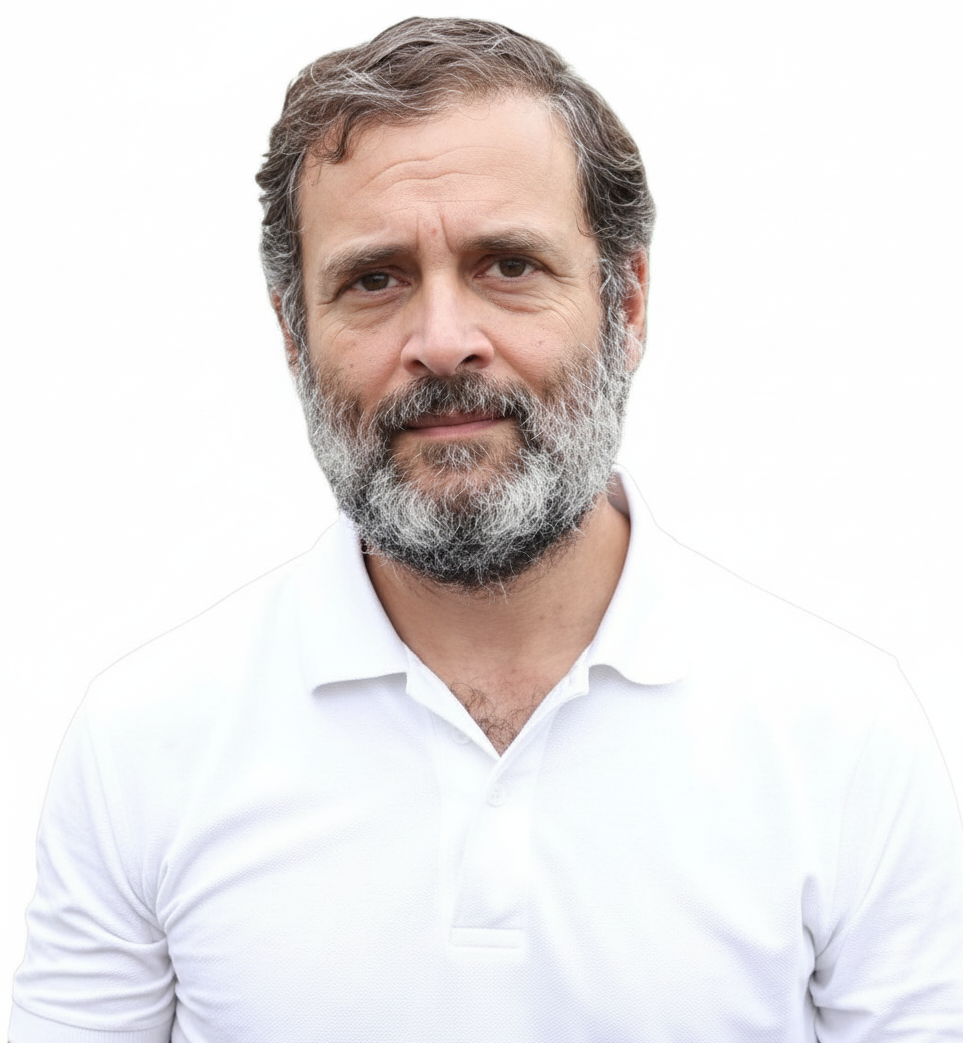
The Supreme Court on Thursday issued notice to Lok Sabha Leader of Opposition Rahul Gandhi, Samajwadi Party chief Akhilesh Yadav and other opposition leaders on pleas over their October 12 march towards the court, with Chief Justice of India Surya Kant declaring that “nobody can browbeat us”. In the same sitting, the bench of the CJI and Justice Joymalya Bagchi sought replies from the Election Commission on the INDIA bloc’s petition against the special intensive revision (SIR) of electoral rolls.
What the court said about the march
The two petitions ask the court to regulate protests and processions near courts and to start criminal contempt proceedings against several leaders, including Rahul Gandhi, Congress president Mallikarjun Kharge, Akhilesh Yadav and Trinamool Congress MP Mahua Moitra.
Arguing for a petitioner, senior advocate Gaurav Bhatia said it was unacceptable that the top court had to deal with a political procession. He told the bench that about 200 lawyers had signed a memorandum describing the march as an attempt to browbeat the judiciary, and said a pregnant woman journalist had been pushed during the event.
The CJI replied that such attempts were “fragile” and that no one paid attention to them.
We are not sitting in ivory towers. We know what statements they make outside and what they say in Court. We know everything.
Chief Justice of India Surya Kant
The bench directed all law enforcement agencies to preserve CCTV recordings and any other digital material they hold on the events of October 12, including footage from the Supreme Court premises.
Notice to the Election Commission
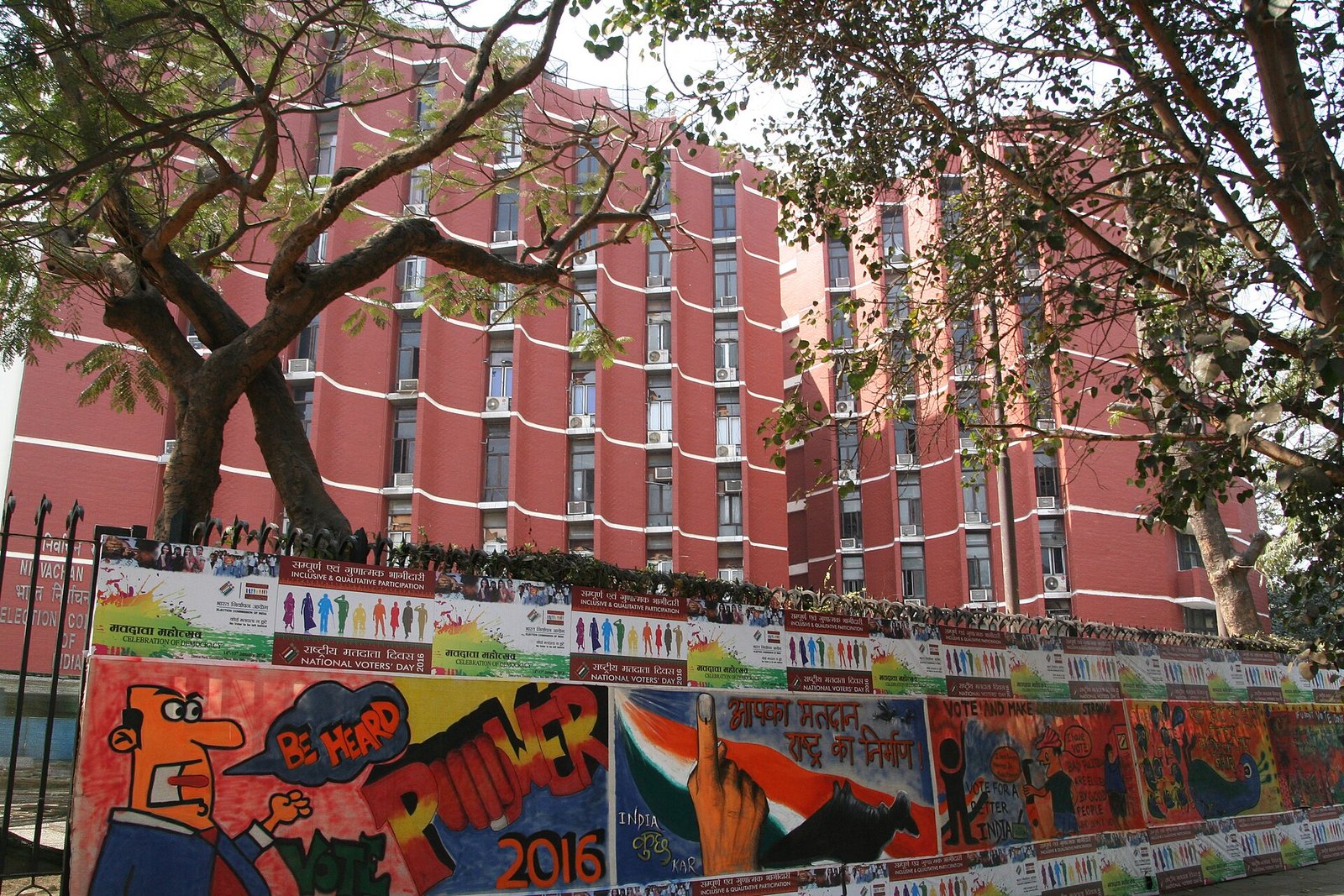
The court also issued notice to the Election Commission, Chief Election Commissioner Gyanesh Kumar and Election Commissioners Sukhbir Singh Sandhu and Vivek Joshi on the petition filed by Rahul Gandhi and 12 other INDIA bloc leaders. The petition seeks a time-bound, independent inquiry into allegations that the CEC took several decisions on his own, the suspension of the SIR until that inquiry is done, and the production of files, minutes and objections recorded by the two commissioners.
Notices were also issued on related SIR petitions from other leaders, including Congress leader Digvijaya Singh and AIMIM chief Asaduddin Owaisi. Separately, the bench asked the Centre and Delhi Police to respond to a plea challenging the removal of Jantar Mantar as a designated protest site. “After the response, if we are not satisfied, the law will follow its course,” Justice Bagchi said.
How it got here
The October 12 march came after the CJI declined a request from Rahul Gandhi and Kharge to meet him over the SIR, saying the issues were already before the court. Police stopped the procession near Barakhamba Road, where some demonstrators pushed through barricades, and supporters later gathered on Bhagwan Das Road, with some climbing onto parked police vehicles and buses.
Ahead of Thursday’s hearing, Union Home Secretary Govind Mohan and Delhi Police Commissioner Anurag Kumar filed affidavits tendering unconditional apologies in the contempt case over the October 10 Metro and internet curbs, while denying any wilful breach of the court’s orders. The police chief defended the curbs as preventive steps to protect public order in central Delhi.
What happens next
The leaders named in the march pleas, the Election Commission and the Centre will now have to file their responses. Tensions in the capital remain high: the Cockroach Janta Party has called a “Lehra Do Tiranga” gathering at Central Park in Connaught Place on Friday evening, and the Delhi High Court has agreed to hear a plea seeking to stop it.