Photo: 中国新闻社 / Wikimedia Commons, CC BY 3.0
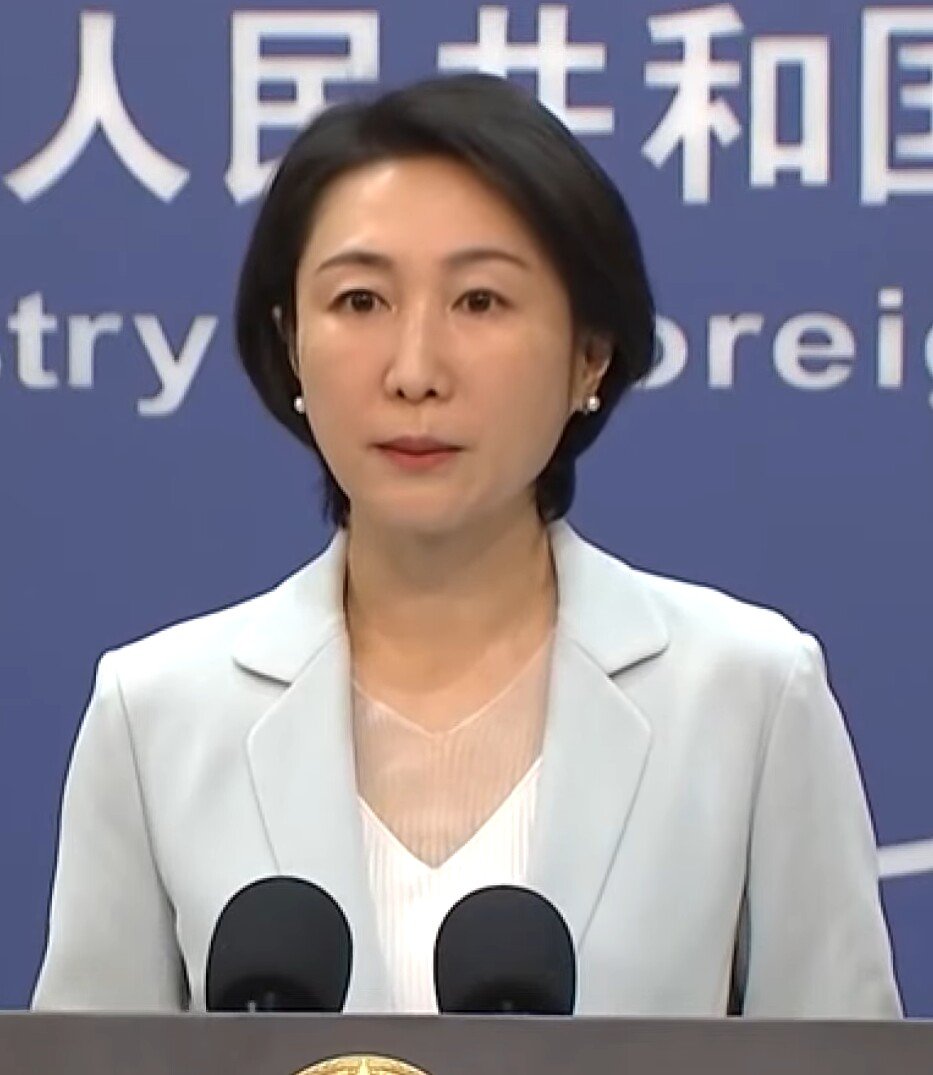
China on Tuesday, October 13, objected to India’s decision to give standard names to 28 places and geographical features in Ladakh, calling the move “illegal and invalid” and repeating its claim to territory in the western sector of the border. Foreign Ministry spokesperson Mao Ning was answering a question at her daily briefing in Beijing.
What Beijing said
Mao said China has never recognised what she called the “so-called Union Territory of Ladakh”, which she described as set up by India unilaterally and illegally, and that Beijing firmly opposes India’s announcement of “so-called standard names”.
The move is illegal and invalid and cannot change the fact that the relevant areas in the western sector of the China-India boundary have always belonged to China.
Mao Ning, spokesperson, Chinese Foreign Ministry
The question put to her, as recorded in the ministry’s transcript, noted reports that some of the named locations lie in disputed areas under Chinese control.
What India did on October 2
On October 2, the Ministry of Home Affairs said the Centre, in consultation with the Ladakh administration, had identified 28 places and features in the Union Territory by standard names on the official Survey of India map. The government said the aim was accurate identification of these places and better public awareness about them.
The list includes peaks, mountains, passes, glaciers, a valley, a lake, a river, a water body and several land areas. Among them are Gogra and Hot Spring, two of the friction points in the 2020 military standoff in eastern Ladakh and areas that matter for Indian patrolling along the Line of Actual Control (LAC). Other names include Zorawar Peak, Kanishka Peak, Milarepa Kangri, Rinchen Zangpo, Guru Rinpoche, Shiva Ri, Chapchingal Pass, Skamri Glacier, Shkorga Valley and Shamal Lungpa, a patrol and staging route from the 1950s.
Why it matters
Place names have become part of the long-running India-China boundary dispute. Earlier this year, India published standard names for 27 places in Arunachal Pradesh, which Beijing also claims and where China has in the past issued its own names for Indian locations. Ladakh’s eastern edge was the scene of the most serious confrontation between the two armies in decades: the standoff that began in May 2020 after a violent clash in the Pangong Lake area, with disengagement at friction points such as Gogra and Hot Spring starting only in 2022.
Tuesday’s statement shows that, despite the easing of tensions since then, Beijing still does not accept India’s administrative map of the region. Ladakh was made a separate Union Territory in 2019, a change China has opposed from the start.
What happens next
There was no immediate formal response from New Delhi to the Chinese remarks at the time of writing. India has in the past rejected similar Chinese objections over names and maps, holding that these areas are an integral part of the country. The 28 names are already on the Survey of India’s official Ladakh map,, and any reply from the Ministry of External Affairs is awaited.