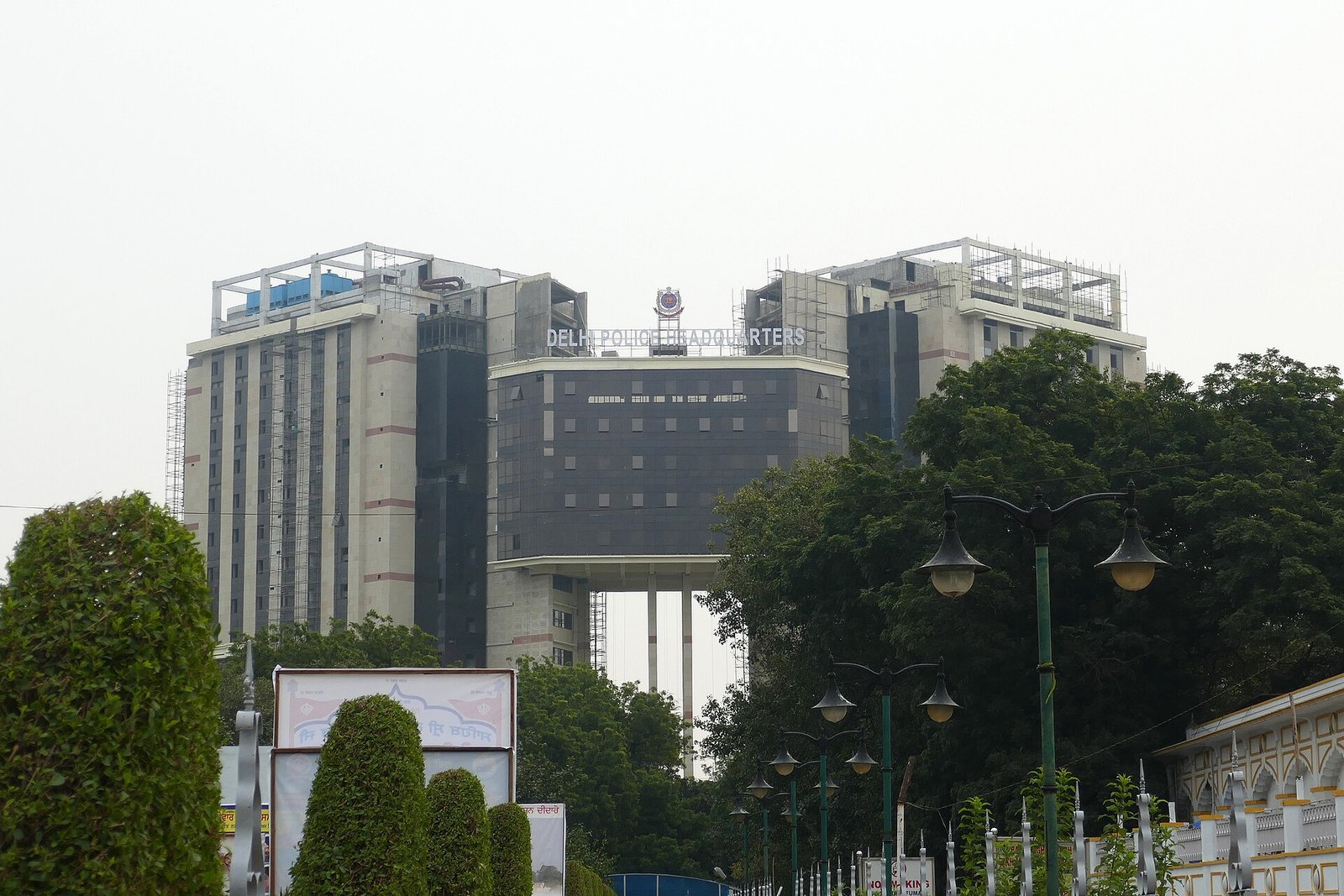
Photo: Ji-Elle / Wikimedia Commons, CC BY-SA 4.0
Delhi Police say they have broken up an international cyber fraud network after a 69-year-old retired scientist was tricked into handing over ₹1.25 crore in a so-called digital arrest scam. Eleven people have been arrested, and officials said on Tuesday, October 13, that the group was taking instructions from handlers based in Cambodia and other parts of Southeast Asia.
How the scientist was targeted
The complainant, Pradeep Kumar Das, is a retired scientist who served as a director in the Ministry of Electronics and Information Technology. According to police, he got a call in August from people who claimed to be officers of the Delhi Police, the Anti-Terrorism Squad and the National Investigation Agency. They told him his Aadhaar details had turned up in a money-laundering case and warned that he could be arrested.
Saying they needed to check his money, the callers allegedly got his bank details and pushed him to move ₹1,25,09,000 through RTGS into three accounts. Police said the fraudsters also kept him on constant video watch and dictated where he could go, the pressure tactic that gives the scam its name. A case was registered at the Special Cell police station.
Raid in Dwarka and the money trail
The Intelligence Fusion and Strategic Operations (IFSO) unit followed the money to a bank account held in the name of a firm called M/s MR Traders. Acting on a tip-off, a team raided a place near Ramphal Chowk in Dwarka Sector 7 and found five men staying there, who police say were running that account for fraud transactions.
Their phones held Telegram chats and an app called “SMS Tools”, which investigators believe automatically forwarded text messages, including one-time passwords, to the operators abroad. Police said one of the five, Anish Khan, worked as the main link with the foreign associates and earned a 5.5% commission paid in USDT, a cryptocurrency, which was later converted into rupees. The others allegedly arranged mule accounts, handled travel and stay, and kept watch on the account holder. Six more people were arrested later for supplying accounts and moving commissions.
A wider network
Officials said the investigation linked the group to other cases as well:
- In Vijayawada, a 79-year-old man was allegedly cheated of ₹10.25 crore in a similar scam; ₹7.25 crore of it has been secured or frozen with the help of the Andhra Pradesh Police.
- In West Bengal’s Purba Medinipur district, ₹21 lakh taken from a complainant with a promise of high investment returns went into the same MR Traders account.
- A separate Delhi case from June, in which a complainant lost ₹77 lakh, has also been tied to the accused.
Police have put a hold on ₹1.96 crore in accounts linked to ongoing probes, and they have identified seven online channels allegedly used to buy and sell mule accounts. The chats and other digital evidence point to 78 complaints on the National Cyber Crime Reporting Portal across several states, involving about ₹73 crore in all.
Why it matters
Digital arrest frauds have cost many older and retired people their life savings, and this case shows how organised the networks behind them can be. Investigators in earlier Delhi cases have also traced the callers to Cambodia, while local recruits supply the bank accounts that receive and route the money. Police said they are still following the money and working to identify more members of the syndicate and the role of its handlers abroad. Anyone who receives such a call can report it on the national cyber crime portal or the 1930 helpline.