Photo: Tessa Bury / Wikimedia Commons, CC BY 4.0
Delhi’s plan to deploy a new fleet of Mechanical Road Sweepers (MRS) before winter has slipped again, with officials saying none of the machines has arrived and that the earliest significant deliveries are now expected only by mid to late November — after peak pollution typically begins.
In February, the Delhi government told the Commission for Air Quality Management (CAQM) that 140 MRS machines would be in place by the end of July to cut road dust, which an IIT-Kanpur study in 2016 estimated accounts for about 56% of the capital’s annual PM10 emissions and 38% of PM2.5. The programme was projected to cost roughly ₹900 crore over 10 years.
What has been ordered — and what is delayed
Environment Minister Manjinder Singh Sirsa said on Monday that a work order has been issued for 70 large MRS machines after the tender process, and that the government is trying to ensure at least some of them are available this winter. “We will use the existing MRS machines and we are trying to make sure that at least some of the new large MRS machines will also be available during this winter,” he said.
The original plan envisaged 70 large machines for wider roads and 70 smaller units for narrower lanes. Officials said the smaller-machine component was later scaled down from 70 to 30 after an internal review. The Municipal Corporation of Delhi (MCD) is executing the project with state funding under an outsourcing model in which private vendors supply both machines and staff.
West Asia route and interim hire plan
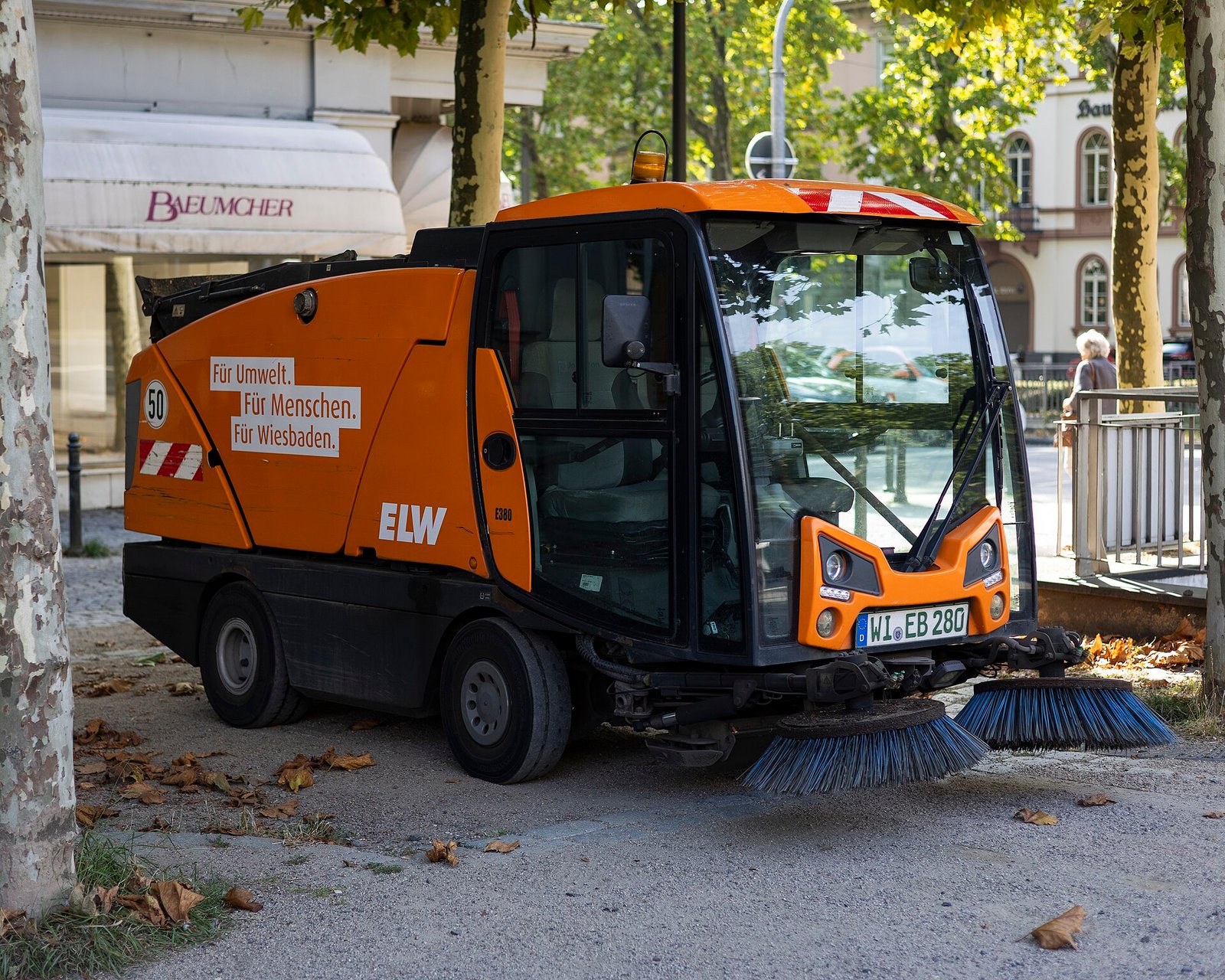
MCD officials have separately attributed the slip to difficulties in manufacturing and shipping machines from Europe amid the West Asia crisis, saying airlifting so far has been limited to demonstration units. Of the 70 large machines under the awarded contract, 55 are planned as electric and 15 as CNG-powered, with sweeping capacities of two and four cubic metres and an extra front brush.
The civic body currently runs about 66 mechanical sweepers on roughly 1,400 km of arterial roads wider than 60 feet and claims they lift around 190 tonnes of dust a day. As a stopgap, MCD floated a tender on September 29 to hire 30–40 additional sweepers for three to four months. Sources said CAQM rejected an interim proposal that included an option to use diesel trucks.
A project repeatedly postponed
The sweepers form part of a broader road-cleaning package first announced in January 2023 by the previous Aam Aadmi Party government. After cabinet and funding-route disputes with MCD, and a later attempt to divert money to solid-waste work, the BJP administration that took office in February 2025 revived the scheme — only for further structural revisions to push timelines out again.
With October already seeing a polluted start in the capital and winter stagnation ahead, officials say existing sweepers and sprinklers will remain the main dust-control tools until the new European fleet arrives. Field trials of prototype machines were conducted outside the Civic Centre in early October.