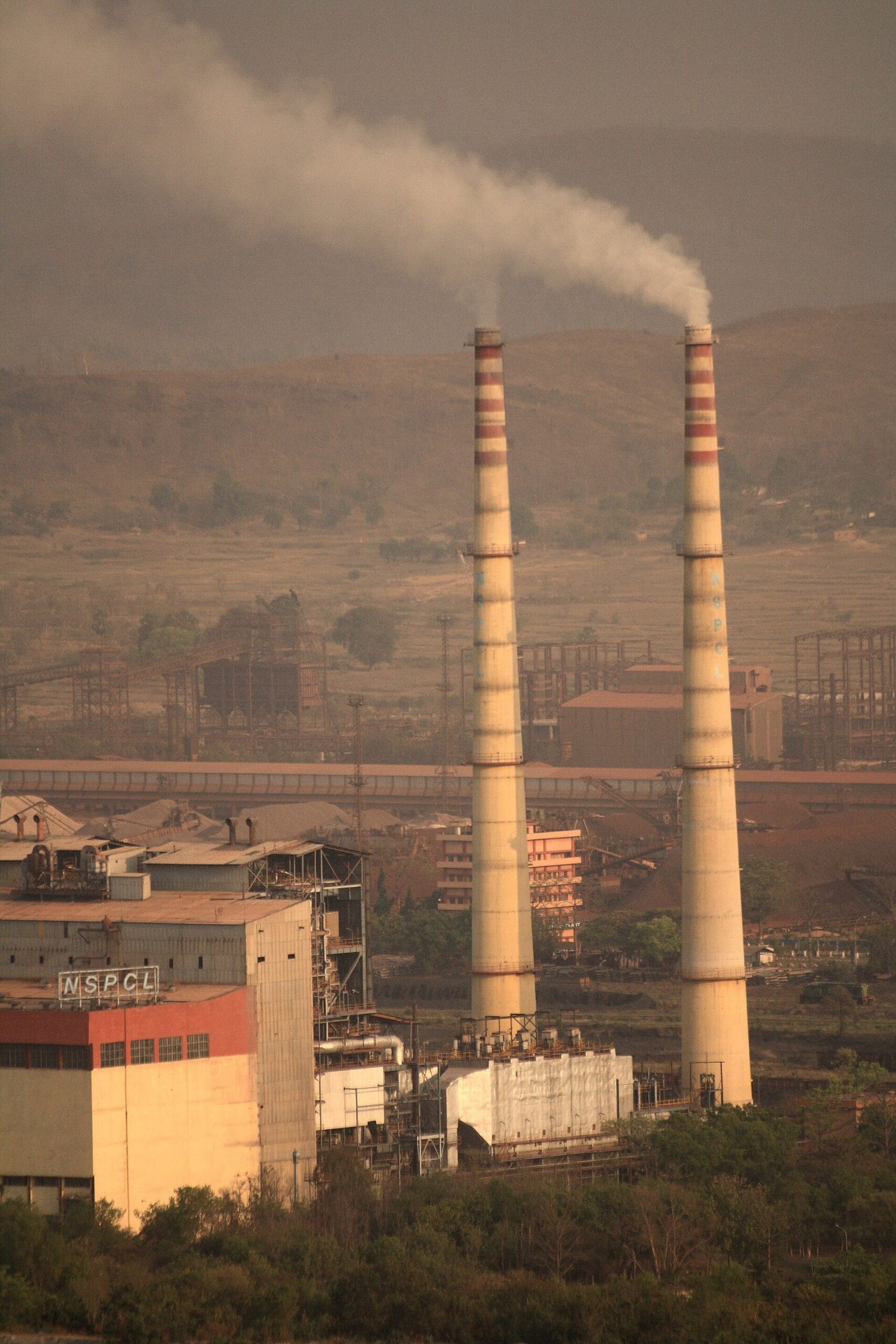
Photo: Sidharthkochar / Wikimedia Commons, CC BY-SA 3.0
The Union Steel Ministry has put out a draft National Steel Policy that wants India to build 604 million tonnes of crude steel capacity by 2047, up from about 220 million tonnes today. The document, titled National Steel Policy: Vision 2047, was released late on Saturday for public consultation, and the ministry has invited suggestions until October 30.
What the targets are
The draft projects that India’s demand for finished steel will reach 505 million tonnes by 2047. Meeting that from domestic plants is what drives the 604 million tonne capacity goal. It also expects per-person steel consumption to climb from about 116 kg now to 302 kg, and sets a target of 45 million tonnes of steel exports a year.
The ministry’s own numbers show how fast the sector has grown already. Crude steel output rose from about 89 million tonnes in 2014-15 to 170 million tonnes in 2025-26, and India’s share of world production went from 5.2 per cent in 2014 to about 8.9 per cent in 2025. The draft says India became a net exporter of finished steel in 2025-26, when imports fell by about 32 per cent and exports rose by about 36 per cent.
Construction and infrastructure take about two-thirds of the steel India uses today. Automobiles, engineering goods, appliances and packaging account for another 28 per cent, and the policy expects renewable energy, electric mobility and digital infrastructure to add new demand.
Raw materials and emissions
Raw materials make up roughly 65 to 70 per cent of the cost of making steel, and the draft treats supply security as a central risk. India is largely self-sufficient in iron ore but imports nearly 92 per cent of its coking coal. The ministry projects that by 2047 the industry will need 772 million tonnes of iron ore and 236 million tonnes of coking coal a year. It plans to close the gap through more domestic mining, new coal washeries, long-term supply deals and the purchase of mining assets abroad.
On climate, the draft notes that steel produces about 10 to 12 per cent of India’s carbon dioxide emissions. Indian mills emit an average of 2.54 tonnes of CO₂ for every tonne of crude steel, well above the global average of 1.92 tonnes. The goal is to bring that down to 1.54 tonnes by 2047 through energy efficiency, renewable power, more use of scrap and hydrogen-based steelmaking, in line with India’s net-zero target for 2070.
Smaller mills, quality and imports
The secondary steel sector, around 2,550 smaller units that hold nearly 47 per cent of crude steel capacity, is promised help with raw material access, technology upgrades, skills and safety, including a proposed support wing for small and medium firms. The draft also says the government will keep discouraging imports of sub-standard steel, including through AI-supported import monitoring, and will tighten Indian Standards on quality.
Other proposals include a Steel Industry Safety Council, a working group on skills, and a push to make specialty and stainless steel, along with steelmaking equipment, in India rather than importing them.
What happens next
The document is still a draft. Once the consultation closes on October 30, the ministry will review comments from industry and the public before the policy is finalised. The scale of the targets means steelmakers, miners and power suppliers will be watching closely for how the government plans to fund the expansion while also cutting emissions.