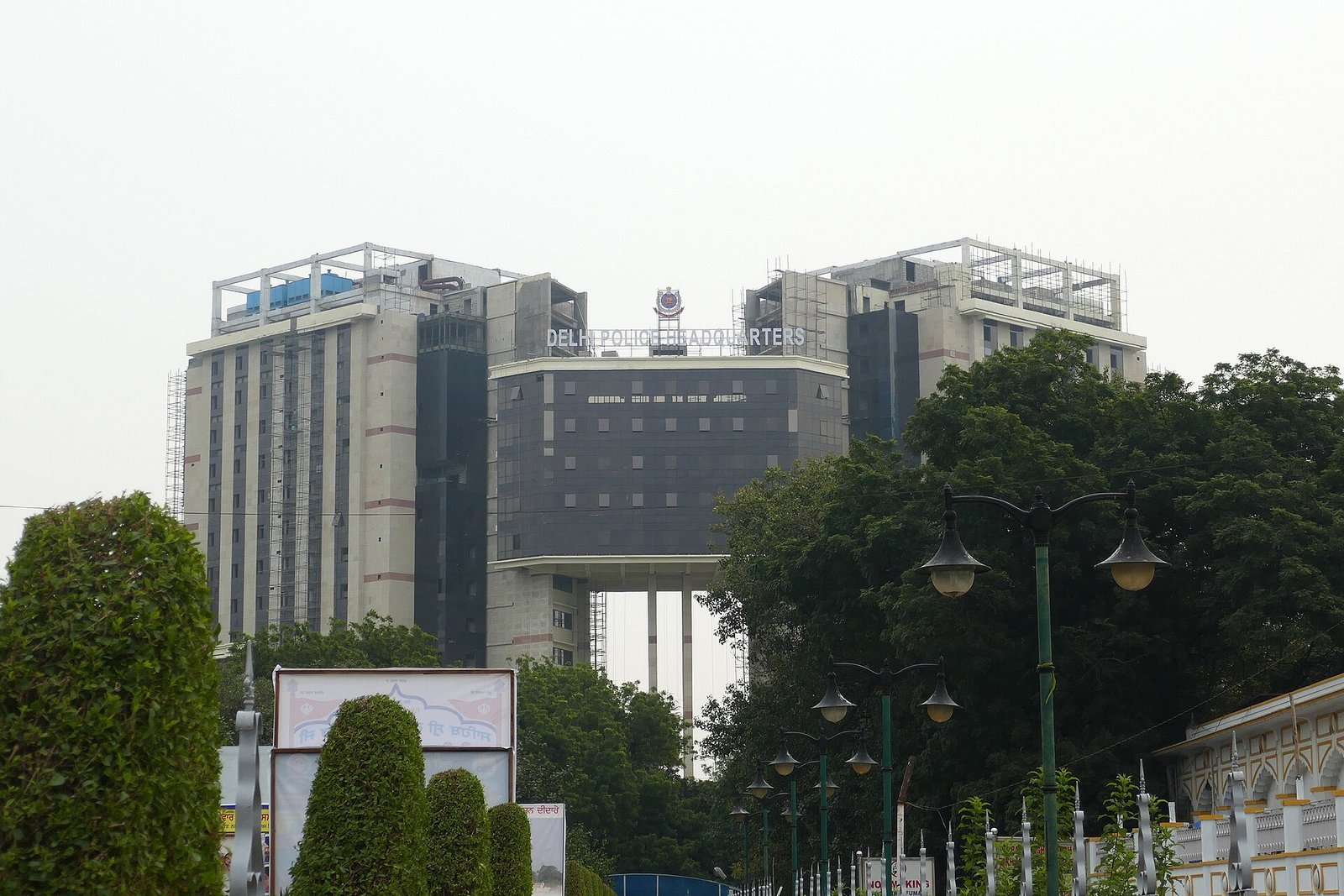
Photo: Ji-Elle / Wikimedia Commons, CC BY-SA 4.0
A day after thousands of people were detained across Delhi to stop a protest demanding the resignation of Chief Election Commissioner Gyanesh Kumar, senior lawyers and a former Supreme Court judge have raised questions about the legal basis for the sweep, particularly for people picked up in areas where no prohibitory orders were in force.
Delhi Police have said the detentions on Saturday, October 10, followed violations of orders issued under Section 163 of the Bharatiya Nagarik Suraksha Sanhita (BNSS), which bar unauthorised gatherings and protests. Those orders, however, covered the New Delhi district. People were also detained elsewhere in the capital, and YouTuber Dhruv Rathee was picked up from a flat in Gurugram, police sources said.
The gap in the police explanation
Section 163 of the BNSS, the successor to the old Section 144 of the CrPC, lets an executive magistrate issue prohibitory orders when immediate prevention is needed. Police have not clarified what power they used to detain people outside the area covered by the order, or whether any special law was invoked.
Advocate Nipun Saxena called the detention of Cockroach Janta Party (CJP) representatives from parts of Delhi-NCR without such orders “wholly illegal”. He said prohibitory orders meant for emergencies were increasingly being renewed routinely, “turning an exceptional power into a routine tool to curb protests”.
Saxena also argued that police prefer short detentions to formal arrests because an arrest must be justified before a court, while people detained and released within 24 hours need not be produced before a magistrate. How far arrest safeguards apply to such brief detentions has not been conclusively settled by the Supreme Court.
‘Grounds must be communicated’
Former Supreme Court judge Abhay S Oka said Article 22 of the Constitution requires authorities to tell a person the grounds for taking away their liberty “as soon as may be”, and that this duty cannot be sidestepped by calling the action a detention instead of an arrest. Some protesters taken away in buses alleged that they were not told why they were being held.
Saxena added that courts have held that informing a person of the grounds is essential even in preventive detention under stringent laws such as the National Security Act.
How the day unfolded
CJP leaders Abhijeet Dipke, Saurav Das and Ashutosh Ranka were taken into custody by police who boarded their flight after it landed from Mumbai. Groups of protesters, some journalists and people who said they were bystanders were put into police vehicles, while opposition leaders including former chief ministers Arvind Kejriwal, Mamata Banerjee and Pinarayi Vijayan were held for hours. Police said six personnel were injured while detaining protesters. By Saturday evening, police said women and senior citizens were being released and “due legal process” would be followed for the CJP leaders.
Chief Minister Rekha Gupta defended the response, saying “Delhi will not be held hostage”.
What happens next
The Supreme Court is holding a rare Sunday sitting on October 11 to hear petitions against the detentions and the transport shutdown. The CJP has called another march to Jantar Mantar at 10 am on Sunday, and opposition leaders have spoken of a march to the Supreme Court on Monday.